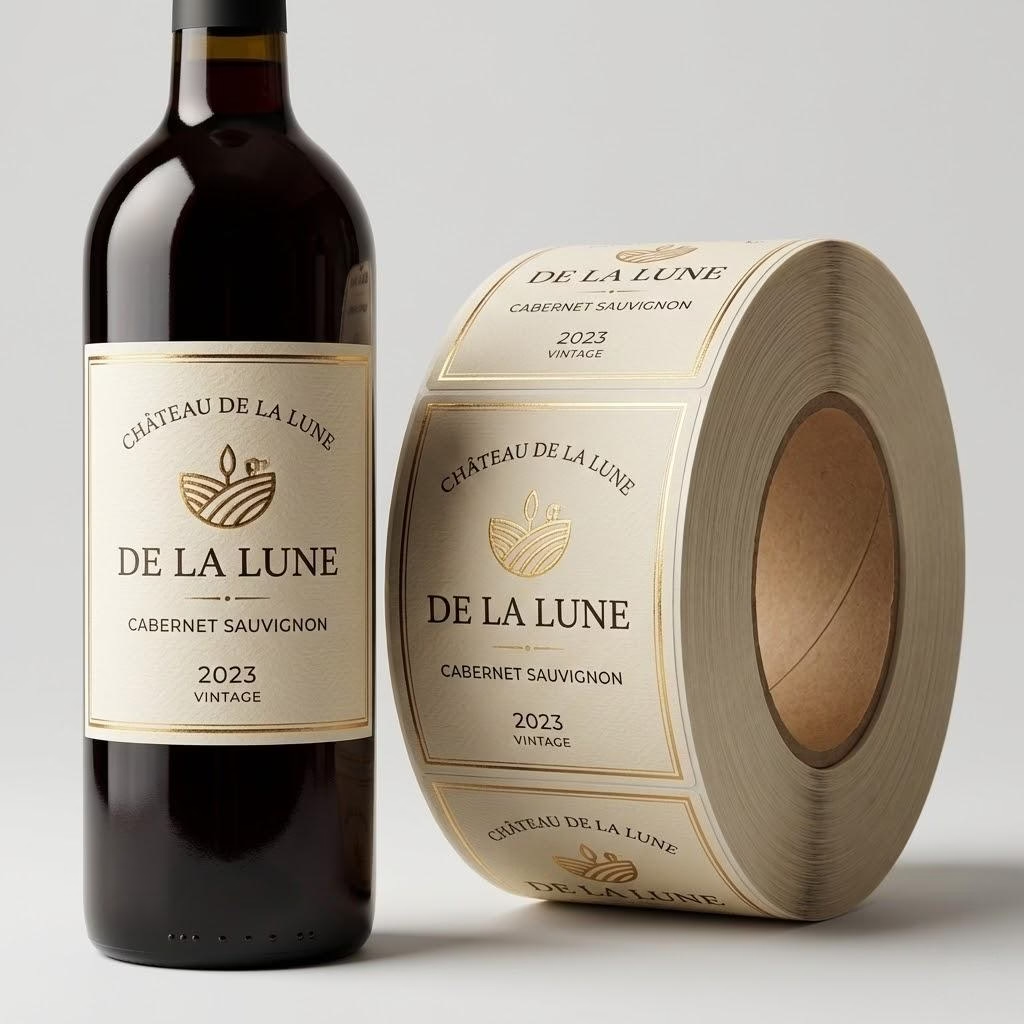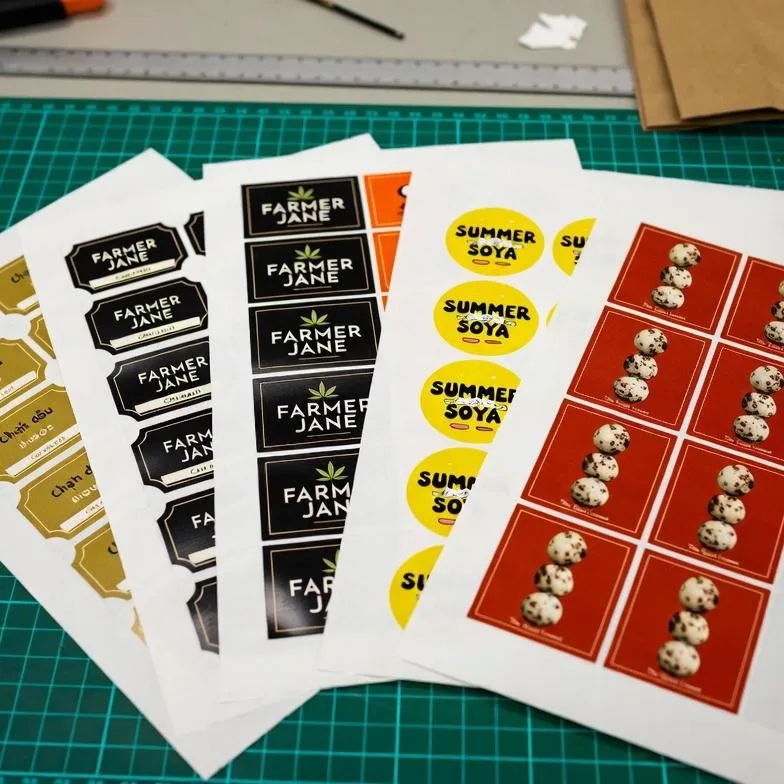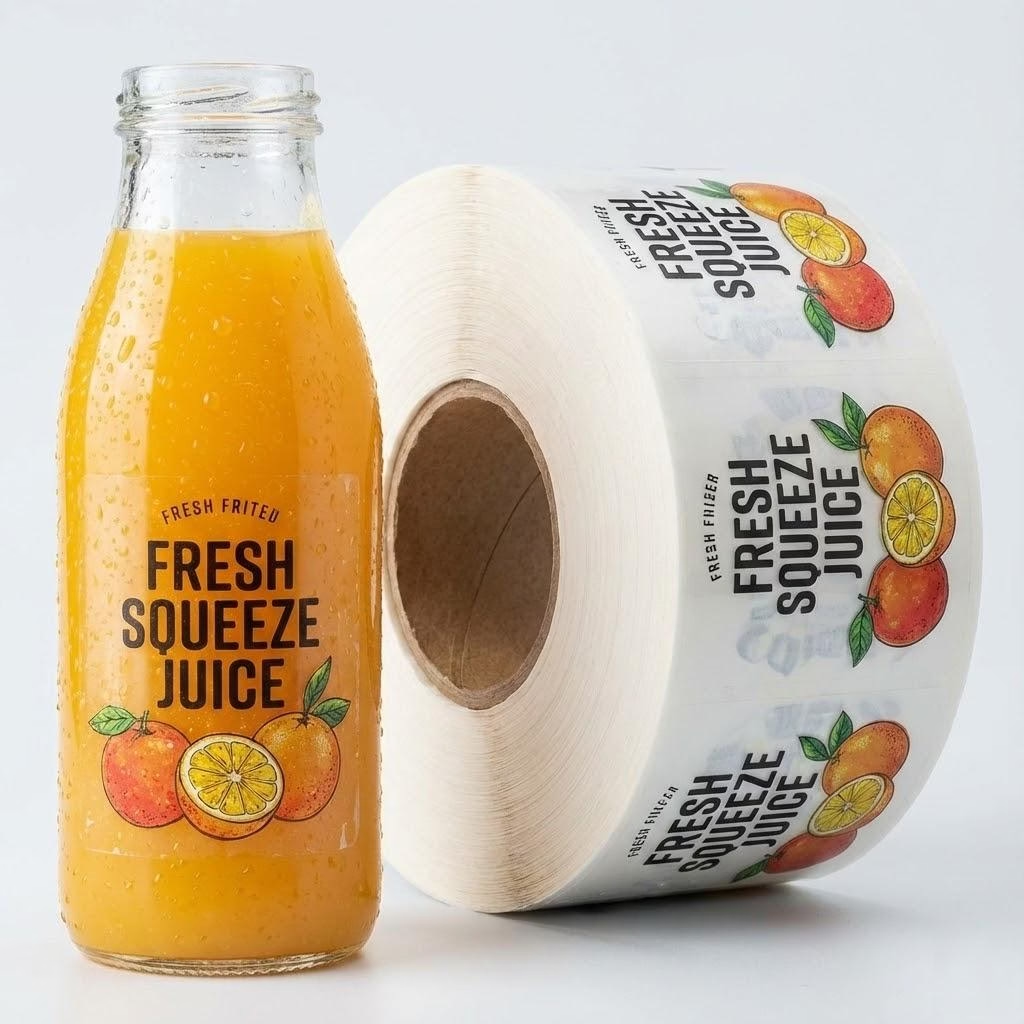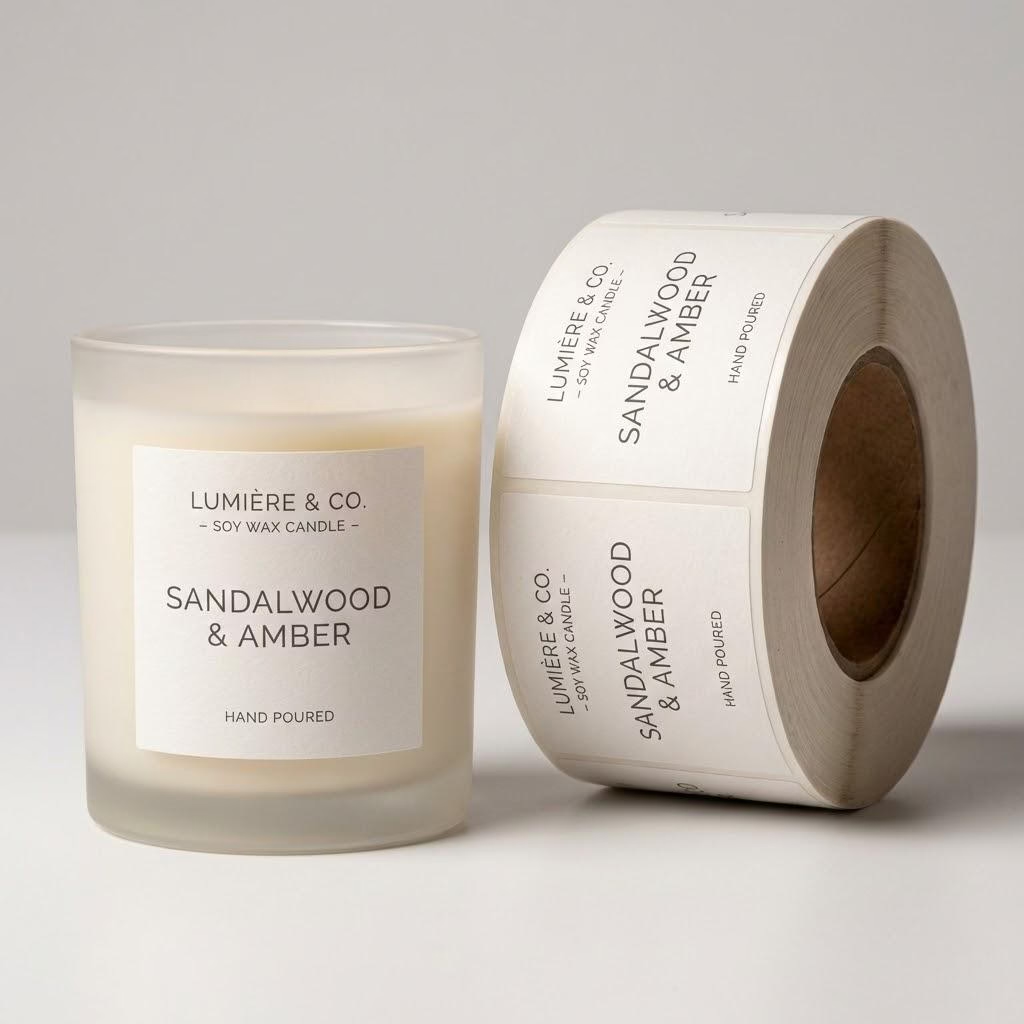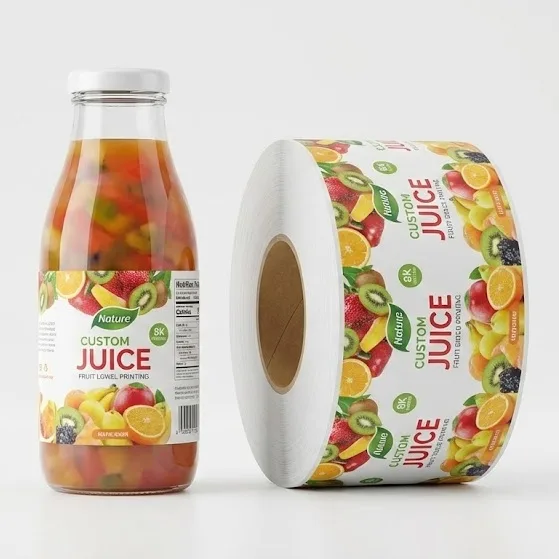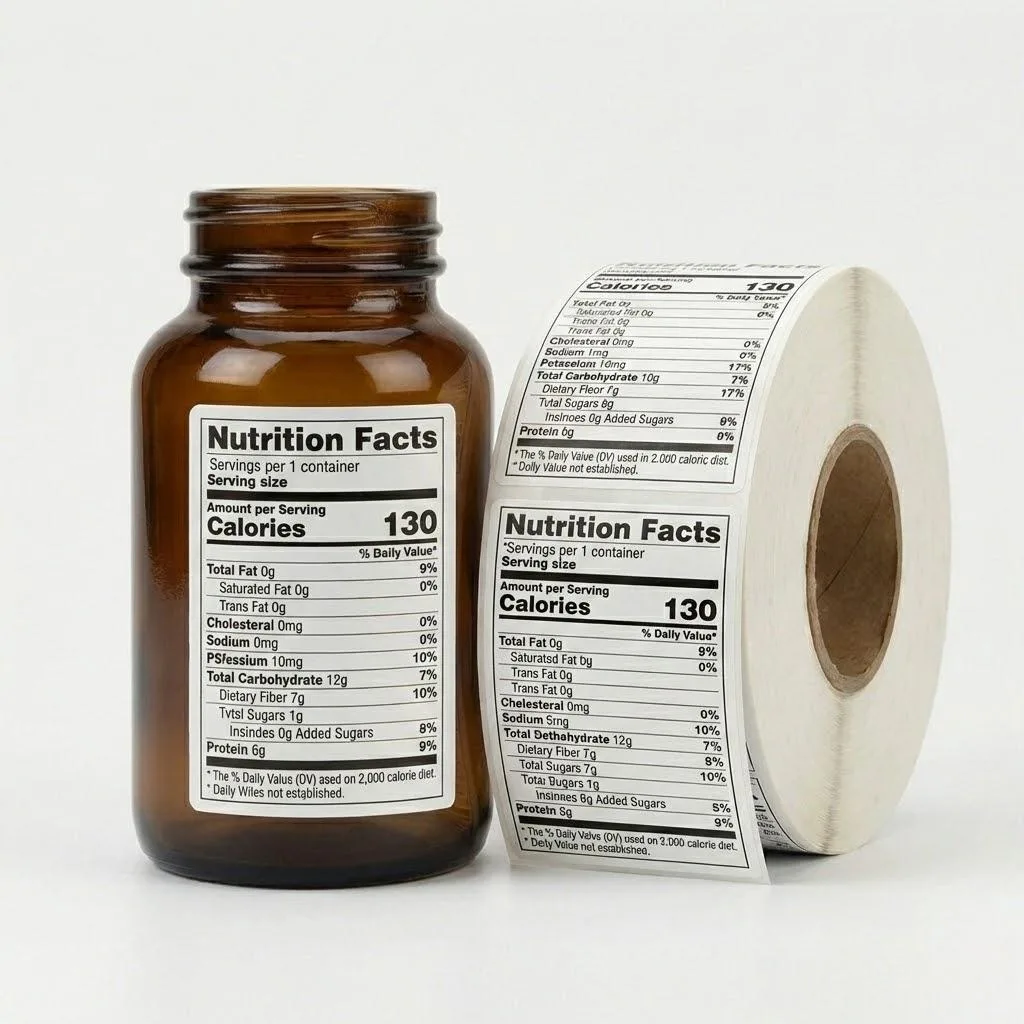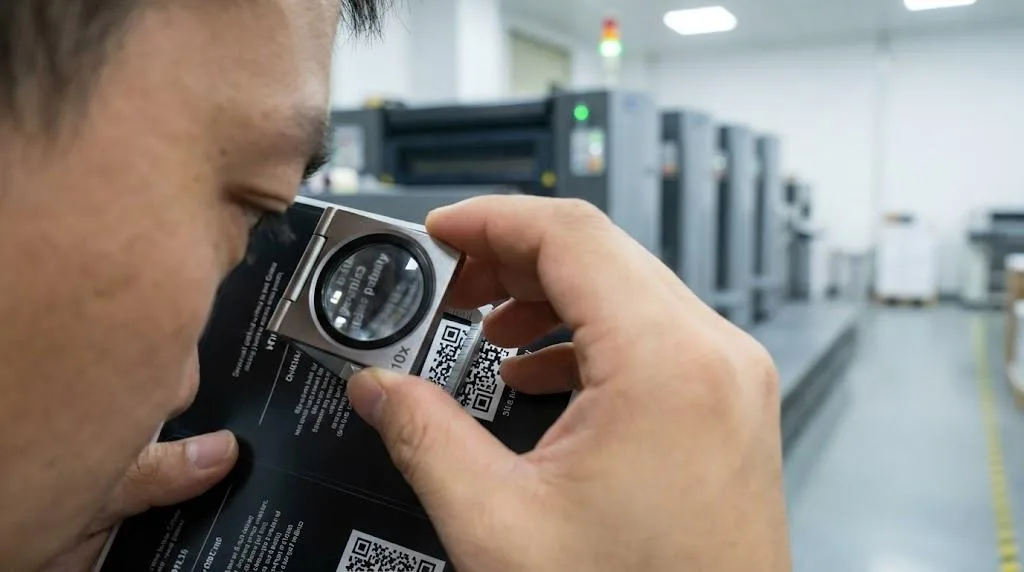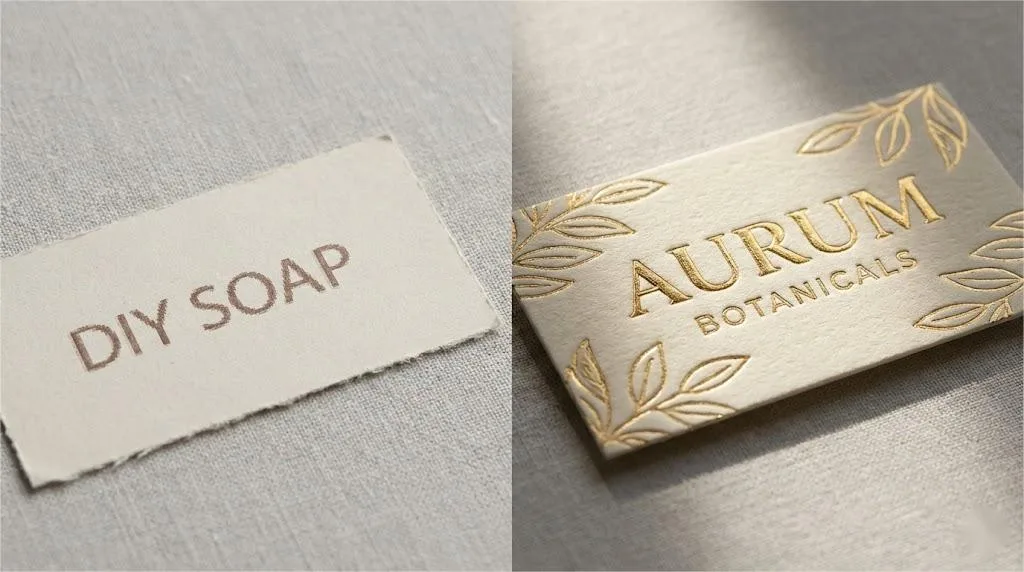
Is your brand’s reputation peeling away in the cold-chain cooler? I’ve helped countless businesses move from messy, failed packaging to durable labels that stay perfectly intact even under extreme moisture and temperature shifts.
To make stickers survive the fridge and condensation, you must use synthetic materials like BOPP or MDO films paired with high-tack permanent adhesives. Crucially, labels require a 24-hour “wet-out” period at room temperature before refrigeration to establish a permanent molecular bond with the bottle surface.
However, picking the right material is just the beginning of the journey. Stick around to learn how to master the “pumping effect” and the exact 3-step testing protocol that top-tier beverage brands use to stay retail-ready.
Technical Causes of Label Detachment
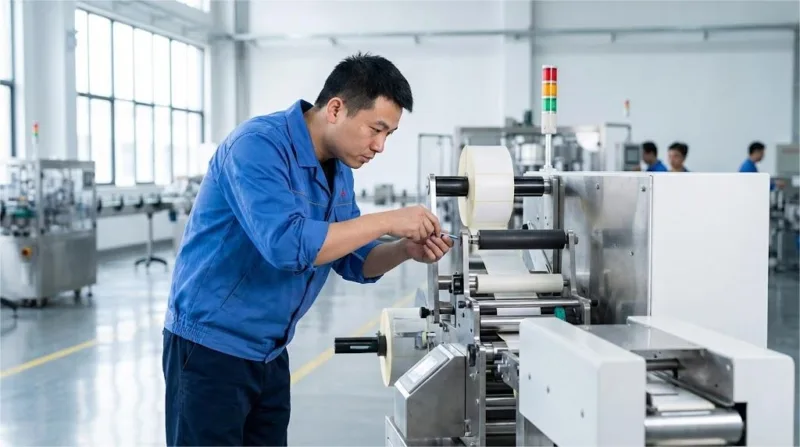
To solve the peeling problem, you first have to understand that moisture is not the only enemy. It is the physics of temperature change that usually starts the disaster. Most people think a waterproof material is enough, but they overlook the “pumping effect.”
When a cold bottle (around 4°C) enters a warm packing room (25°C), the air between the label and the bottle creates a pressure difference. This actually sucks condensation behind the label edges, creating a lubricated barrier that forces the adhesive to fail.
As Paul J. Wolak, Technical Director at Avery Dennison Performance Polymers, explains: “The most common reason for label failure in refrigerated environments isn’t just the water; it’s the lack of proper ‘wet-out’ time. Adhesives are like slow-moving liquids. They need time to flow into the microscopic valleys of the bottle surface.”
If you don’t allow for this adhesive wet-out period—usually a 24-hour gold standard—you are setting yourself up for failure.
Another hidden killer is what we call the “modulus mismatch.” Think about your packaging materials:
- Bottle Shrinkage: Plastic bottles (PET or PE) shrink significantly when they move from room temperature to a cold fridge.
- Label Rigidity: If you use a very thick, stiff label (like an 80μm PET film), it won’t shrink with the bottle. Instead, it stays rigid and pops off at the edges, a phenomenon known as “tunneling.”
To prevent this, you need to pay attention to your technical specs. Standard permanent adhesives usually require a minimum application temperature of $5^\circ C$ ($41^\circ F$).
If you are labeling in a cold warehouse, you must switch to specialized cold-glues that work down to $-20^\circ C$ ($-4^\circ F$). Once cured, a high-quality BOPP label should handle a service temperature range of $-40^\circ C$ to $80^\circ C$ without breaking a sweat.
Step-by-Step Guide to the “Soggy Label Test”
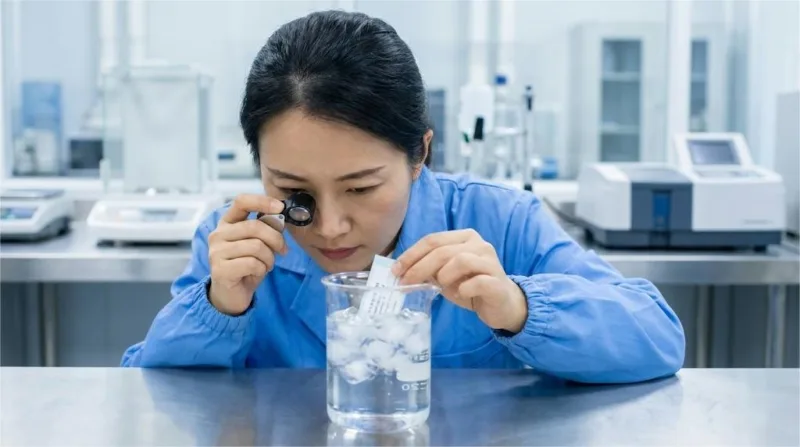
If you want to be 100% sure your stickers survive the fridge and condensation, you cannot rely on the supplier’s word alone. You need to run your own stress tests. We recommend a three-part protocol to verify that your packaging is retail-ready:
- The 48-Hour Submersion Test: Drop your labeled product into an ice bucket (0°C) for two full days. This isn’t just for show. It checks if your ink smears and if your paper face-stock absorbs more than 0.1% water. If the label turns into a “soggy mess,” your brand value drops to zero in the eyes of the consumer.
- The Condensation Cycle Test: Move your product from the fridge to a warm desk and back again three times. This simulates the consumer journey. You are looking for “flagging” (peeling edges) or bubbling caused by the pressure changes we discussed earlier.
- The Wet-State Scratch Test: After the label has been wet for 6 hours, try to scratch the ink with a coin. This is critical for barcodes. In a crowded ice bucket, bottles rub against each other.
Ready to Bulletproof Your Beverage Packaging?
Don’t let condensation ruin your retail launch. Get 100% machine-ready labels designed specifically for extreme cold-chain environments and save 30% on your procurement costs.
If your UV varnish isn’t high-crosslink density, your barcode will disappear, making the product unscannable at the register. Your goal is a “Grade A” scan result even after the abuse. If your barcode scan level drops below a “B” grade on the ISO/IEC scale, you risk being delisted by major retailers.
Selecting the Right Materials for the Cold Chain
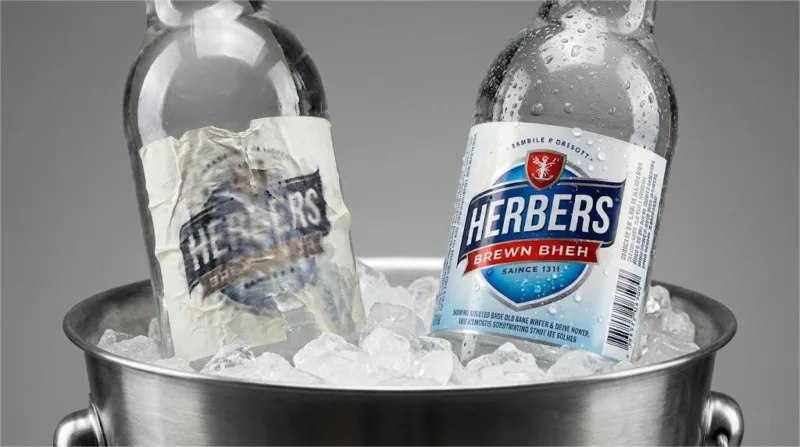
When you are trying to make sure your product looks premium, it is tempting to just ask for the “thickest, most expensive plastic.” But as we have seen, thickness can actually be your enemy. To help you navigate the sea of options, we have broken down the most reliable material combinations:
| Retail Environment | Recommended Material | Adhesive Type | Surface Finish |
|---|---|---|---|
| Standard Fridge | 60μm Gloss White BOPP | Permanent Acrylic | Matte/Gloss UV Varnish |
| Long-term Ice Bucket | 50μm MDO BOPP / PET | High-Tack Rubber-based | High-Crosslink UV Varnish |
| Luxury Glass Bottles | Wet-strength Paper | Cold-temperature Adhesive | Film Over-lamination |
As Cory Connors, Director of Strategic Accounts at Lansmont Corporation, points out: “When a consumer pulls a bottle out of an ice bucket and the label slides off, the perceived value of the product drops to zero.” It is not just a sticker; it is a fundamental requirement for your brand’s survival.
For smaller bottles, like a 30ml cold brew concentrate, you should choose a thinner 50-60 micron BOPP. This reduces the “memory effect”—the material’s natural tendency to want to lay flat—preventing edges from lifting.
Real-World Lessons from the Factory Floor
In my nine years running a label manufacturing facility, I have seen many brands fall into the “Premium Trap.” One specific case involved a boutique juice brand in California. They insisted on an 80μm ultra-clear PET label on their lightweight plastic bottles.
They thought they were buying the best. However, because their PET bottles shrank significantly when chilled, the stiff 80μm labels could not follow the movement of the bottle. Within 24 hours in the cold room, the labels developed “tunneling” wrinkles that looked like a skin disease.
We solved this by switching them to a 50μm MDO (Machine Direction Oriented) BOPP. This thinner material acted like a flexible skin, shrinking in sync with the bottle. The lesson? Your label’s flexibility must be greater than your bottle’s shrinkage rate.
We also encountered a craft brewery whose labels stayed on, but their barcodes vanished. To fix this, we implemented a High-Crosslink Varnish and increased the Corona Treatment on the material to a Dyne level of 38-42. This ensured the ink stayed chemically bonded to the surface, maintaining a Grade A scan even after a 48-hour soak.
Final Checklist for Brand Survival
You only get one chance to make a first impression on the retail shelf. If you want to ensure your stickers survive the fridge and condensation, remember these three non-negotiables:
- The 24-Hour Rule: Never put your bottles in the fridge immediately after labeling. Give the adhesive time to achieve a full “wet-out.”
- Match the Modulus: Choose a label material that is flexible enough to move with your specific bottle type.
- Test for Friction: Ensure your supplier is using high-crosslink density coatings.
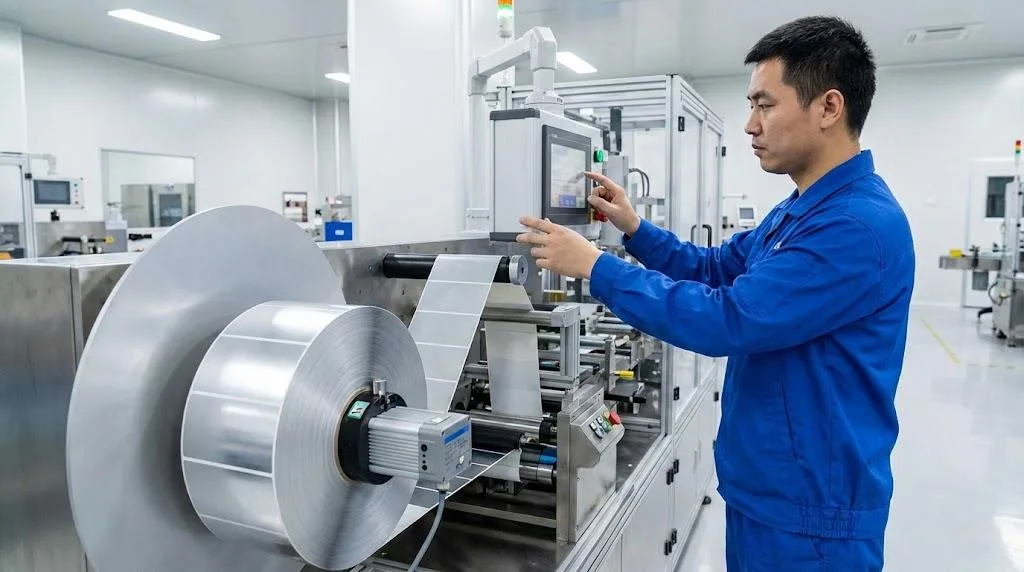
If you are still unsure if your current packaging can handle the pressure, do not leave it to chance. You can vet a China-based label factory to ensure they have the testing equipment needed for cold-chain compliance.
Protect your brand, protect your contracts, and make sure your labels stay exactly where they belong.