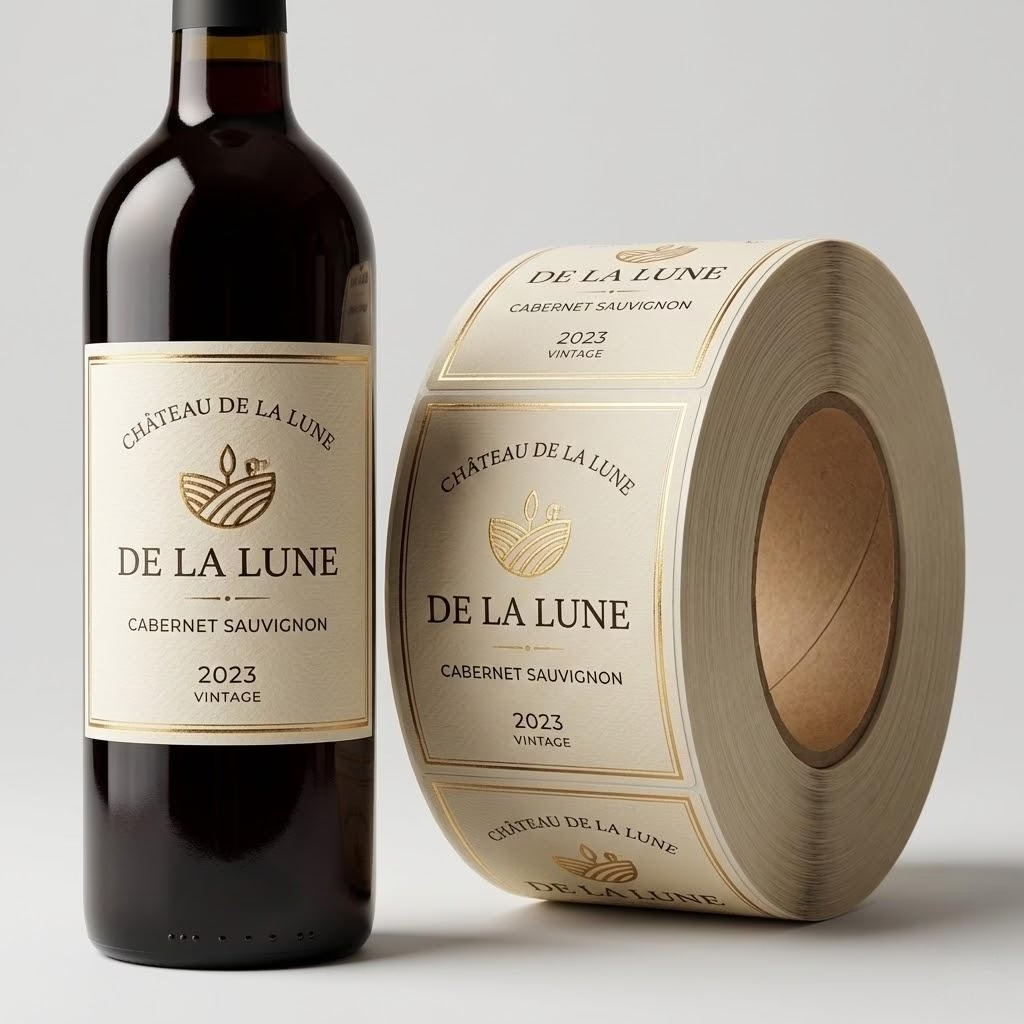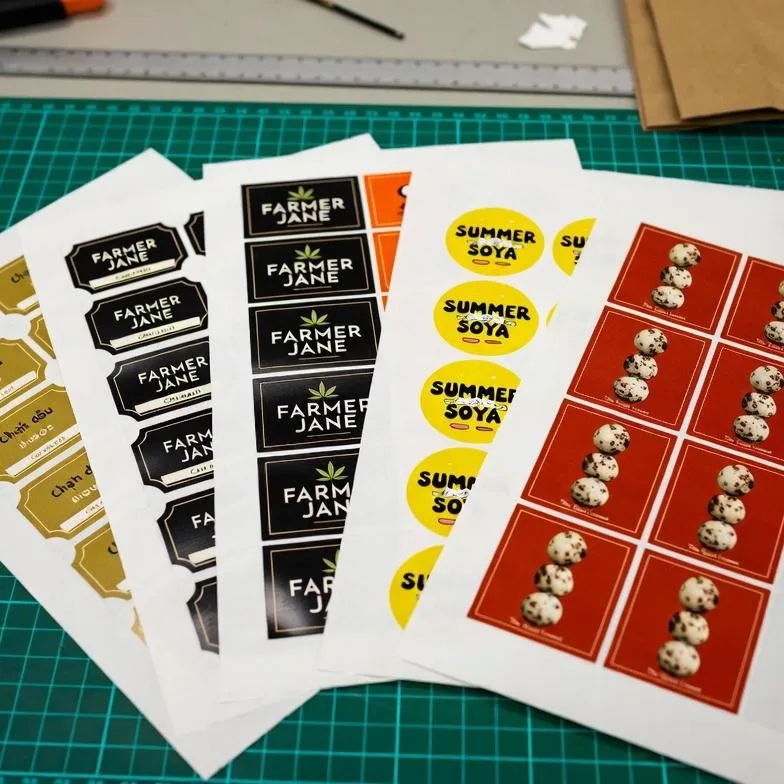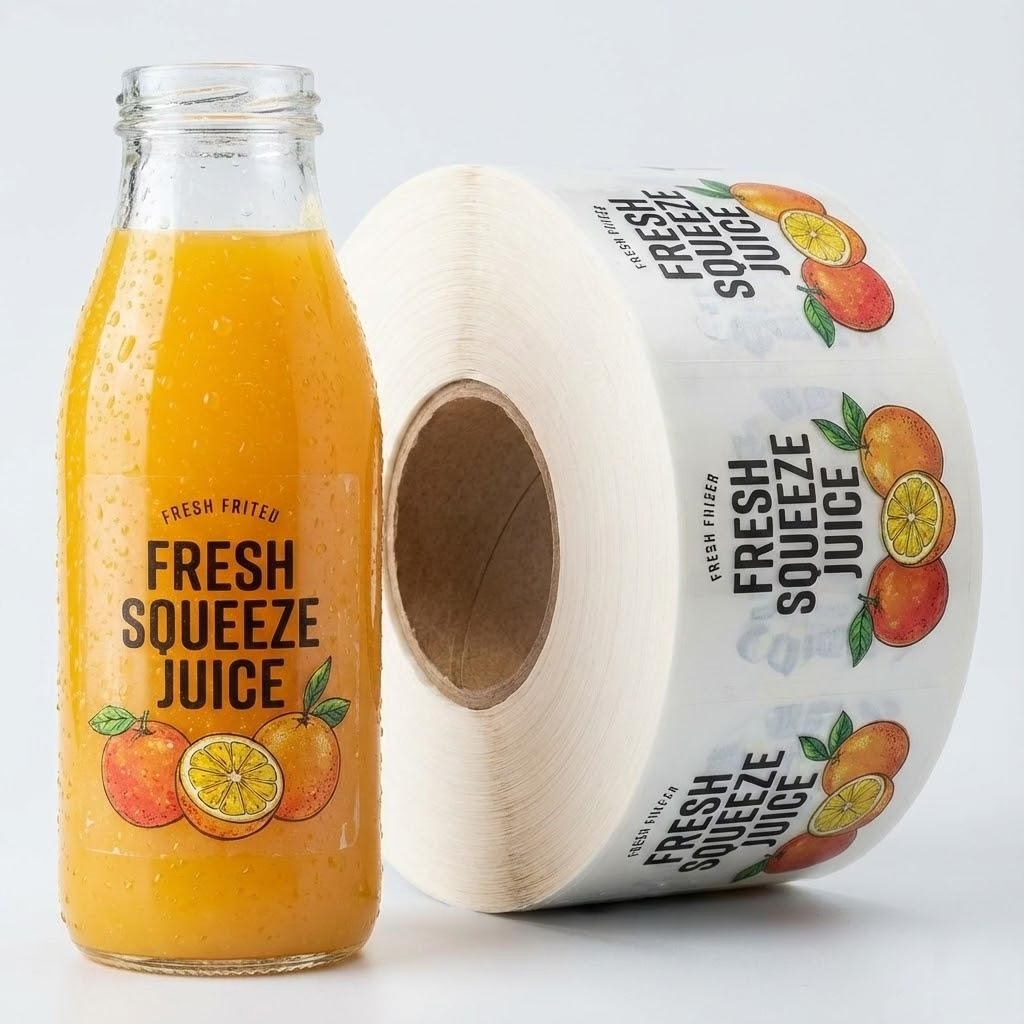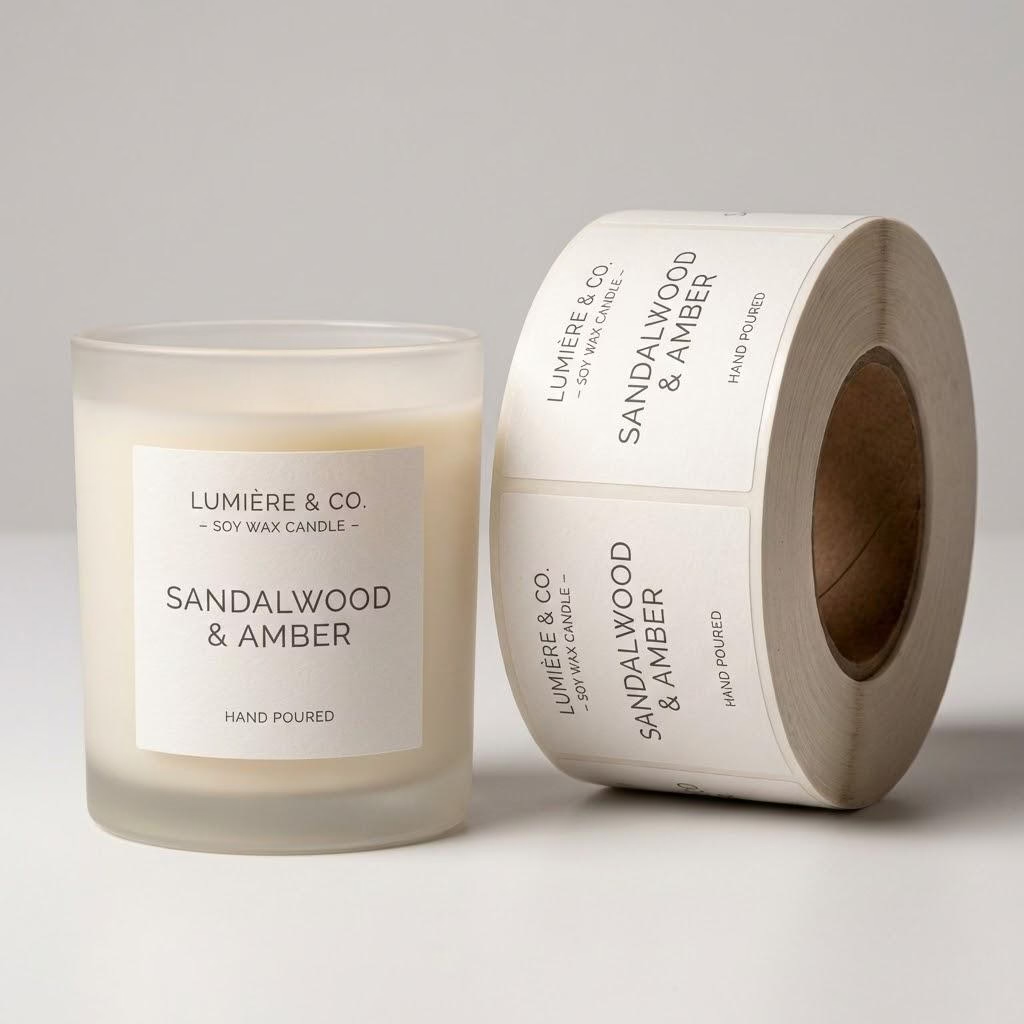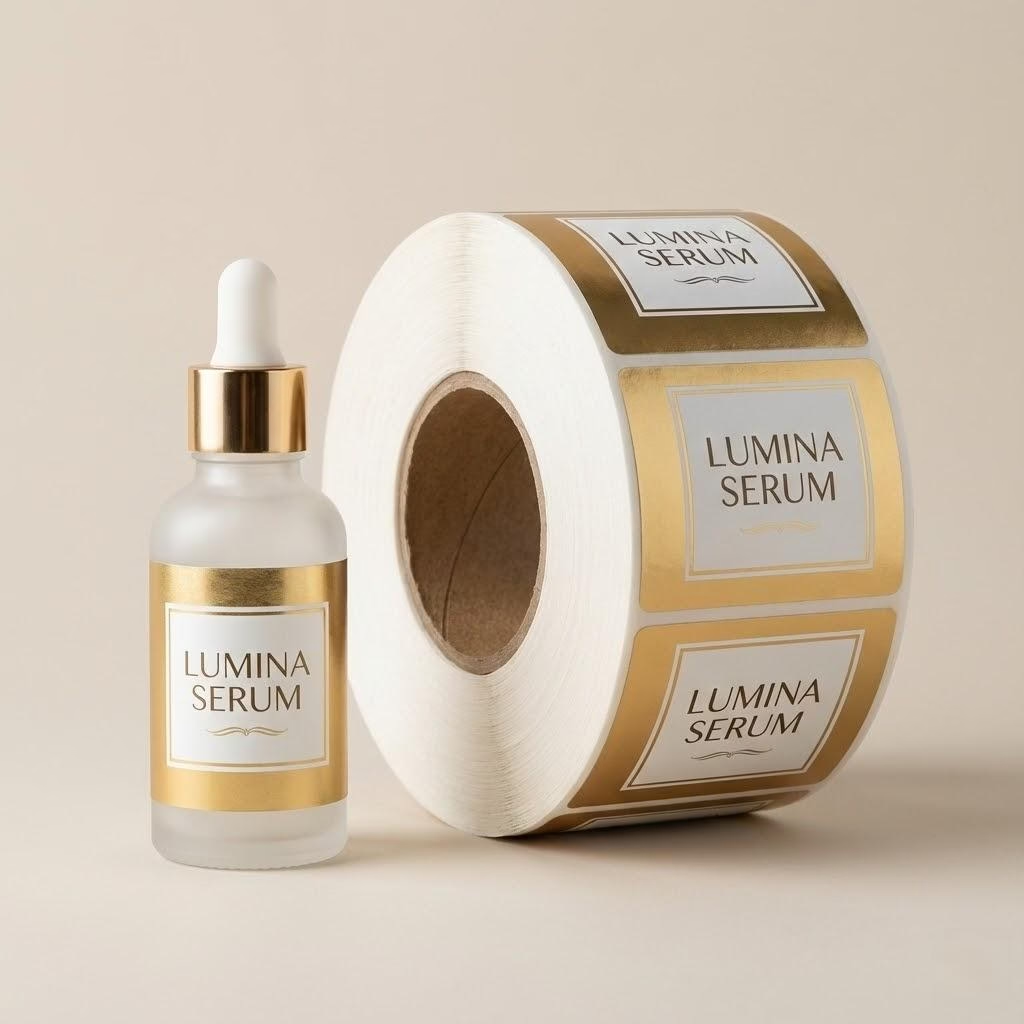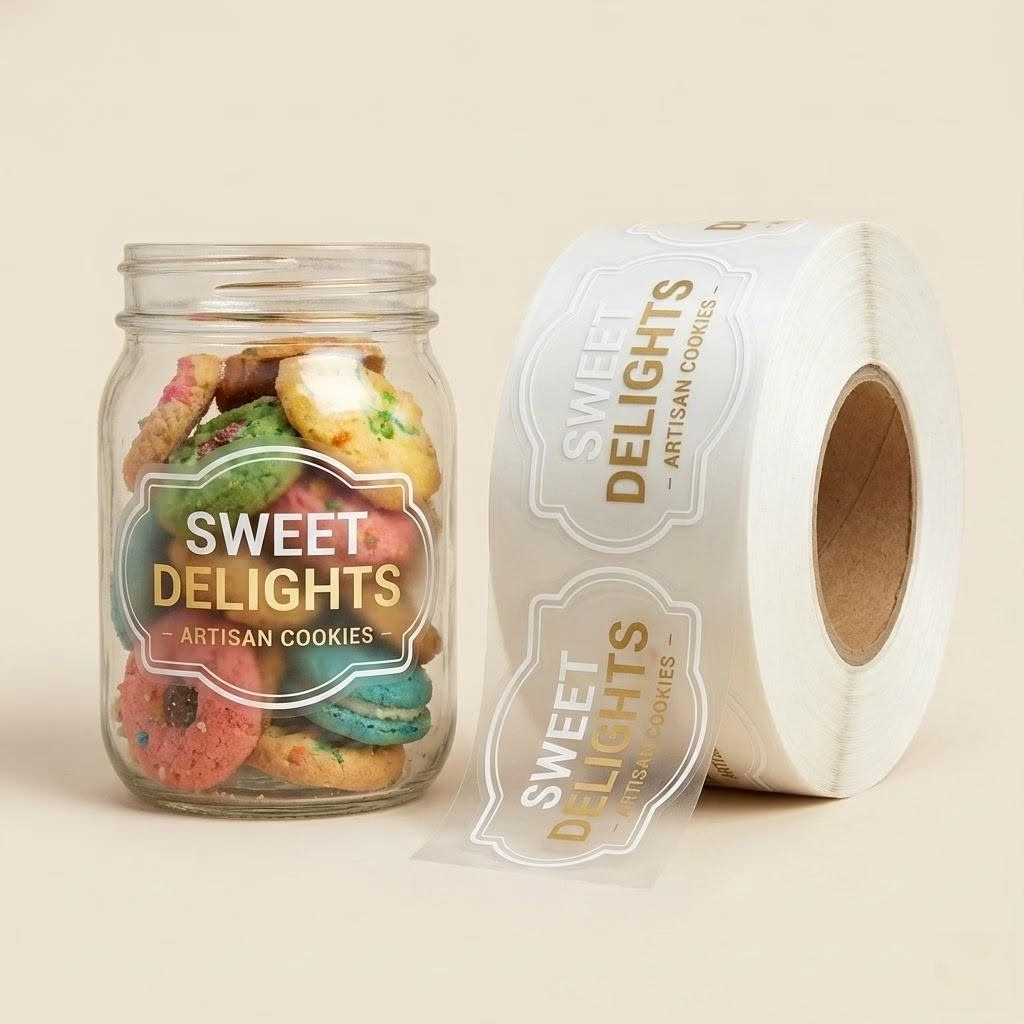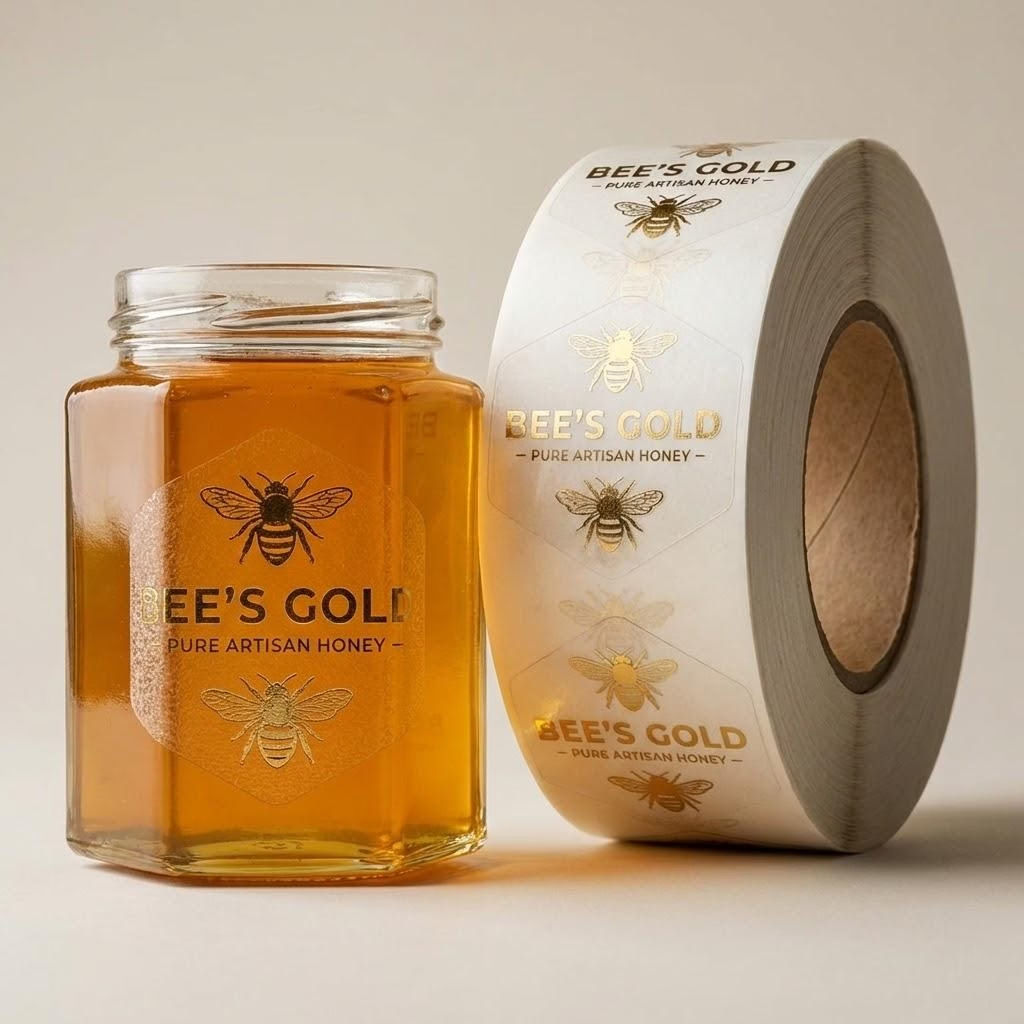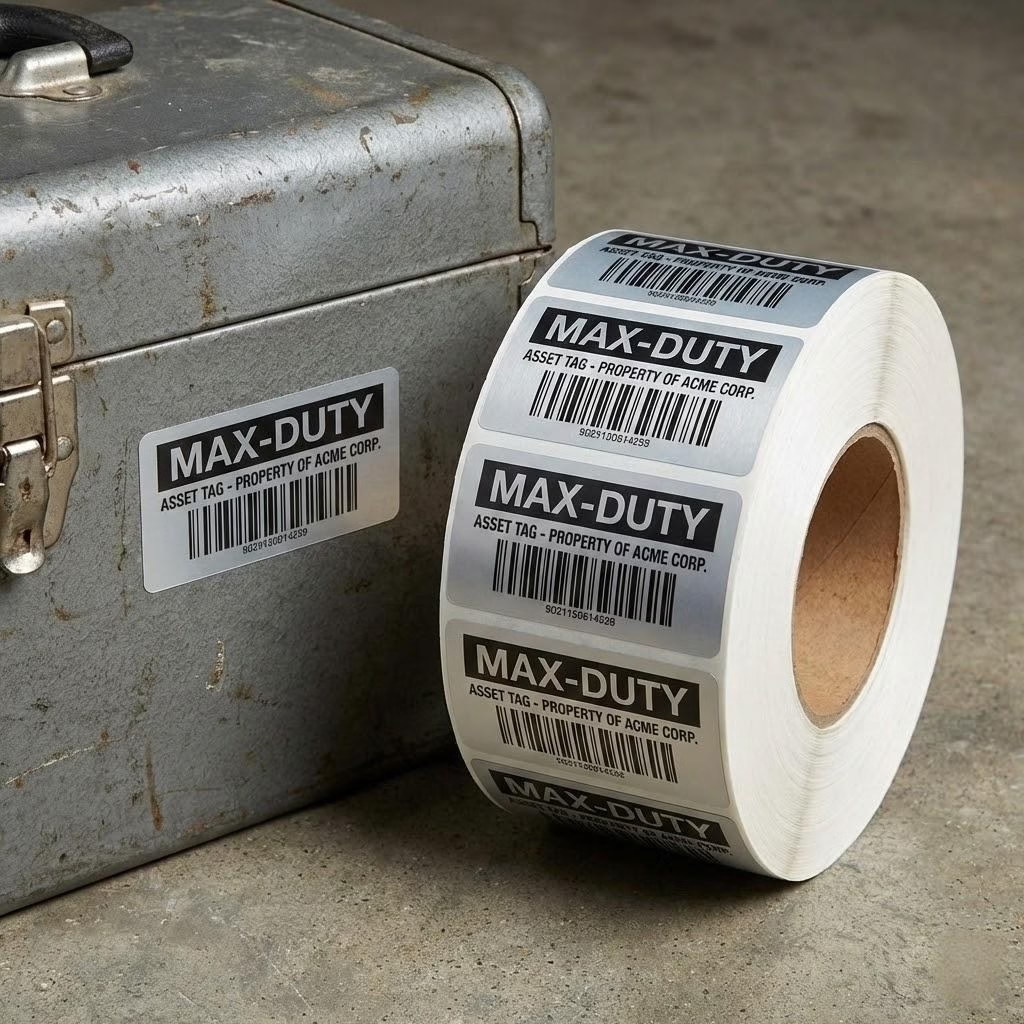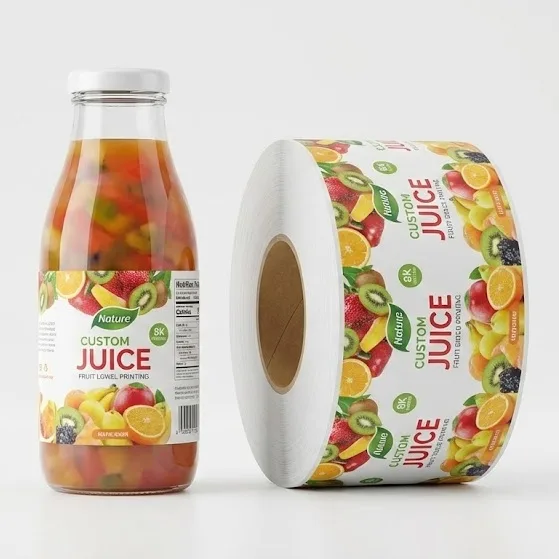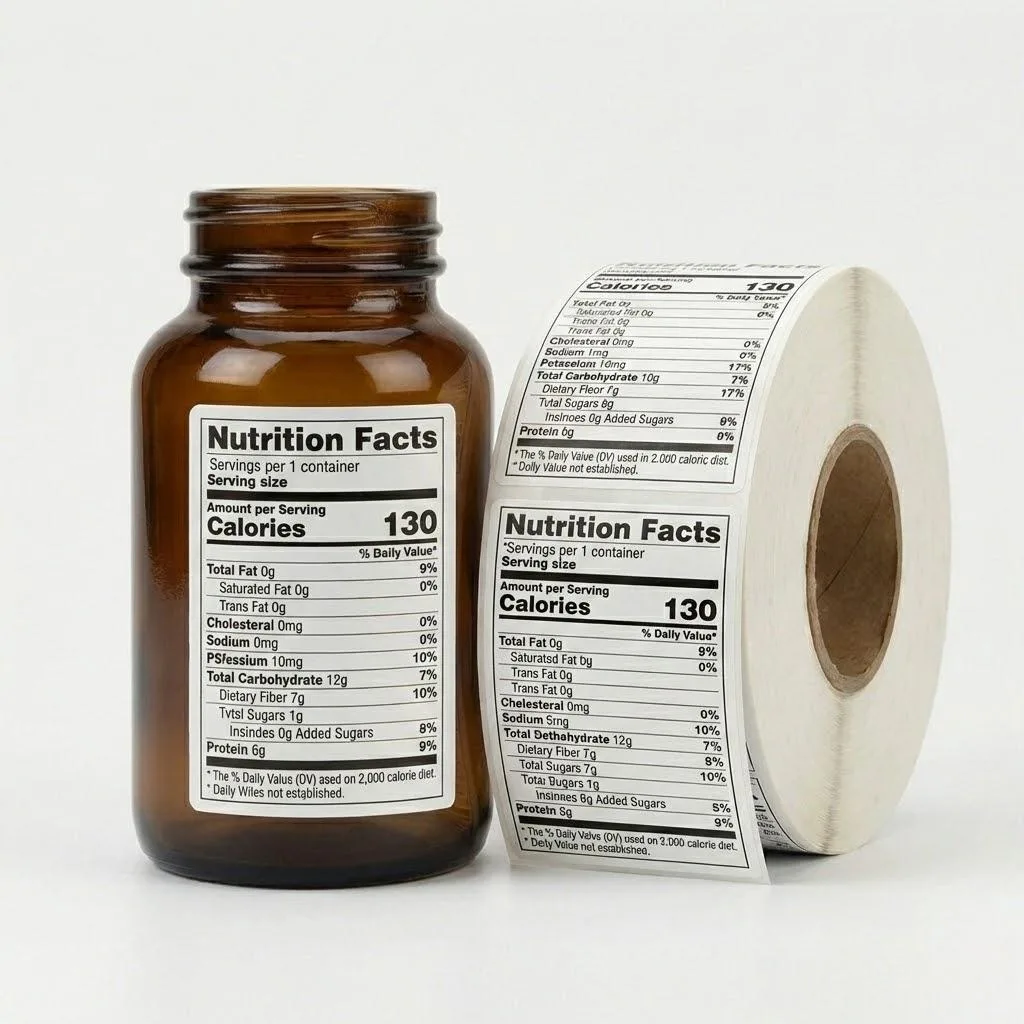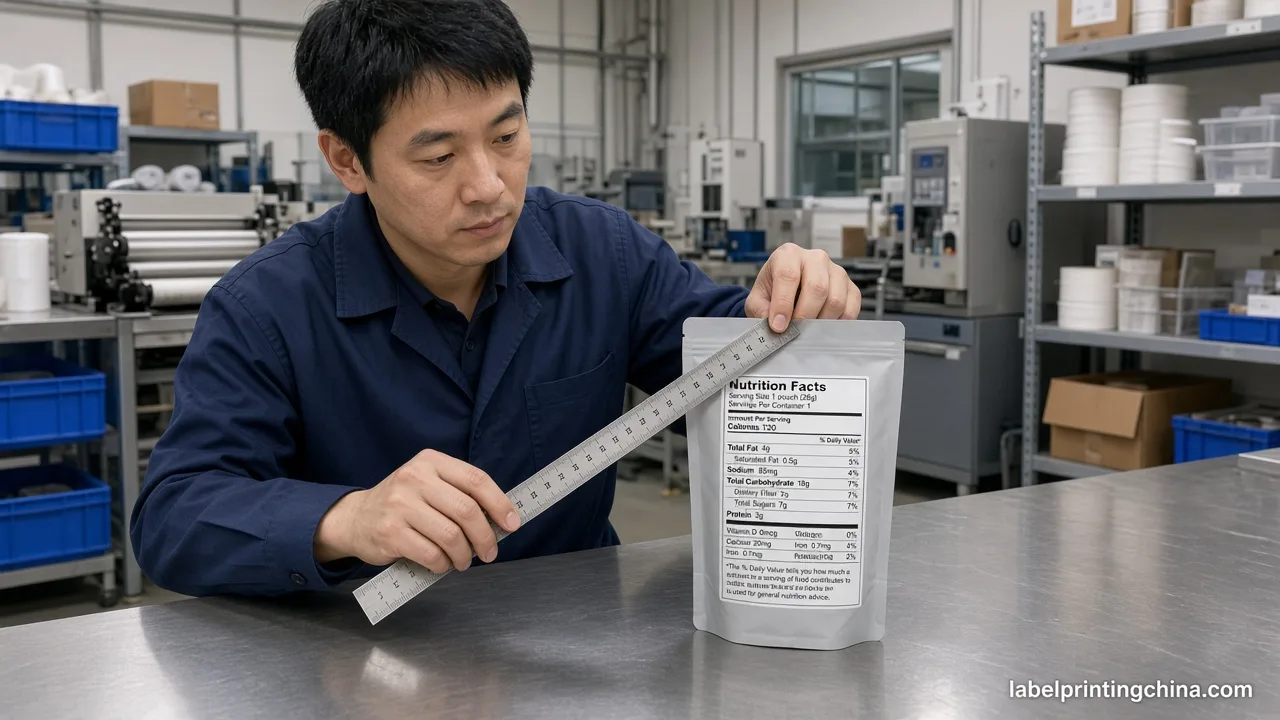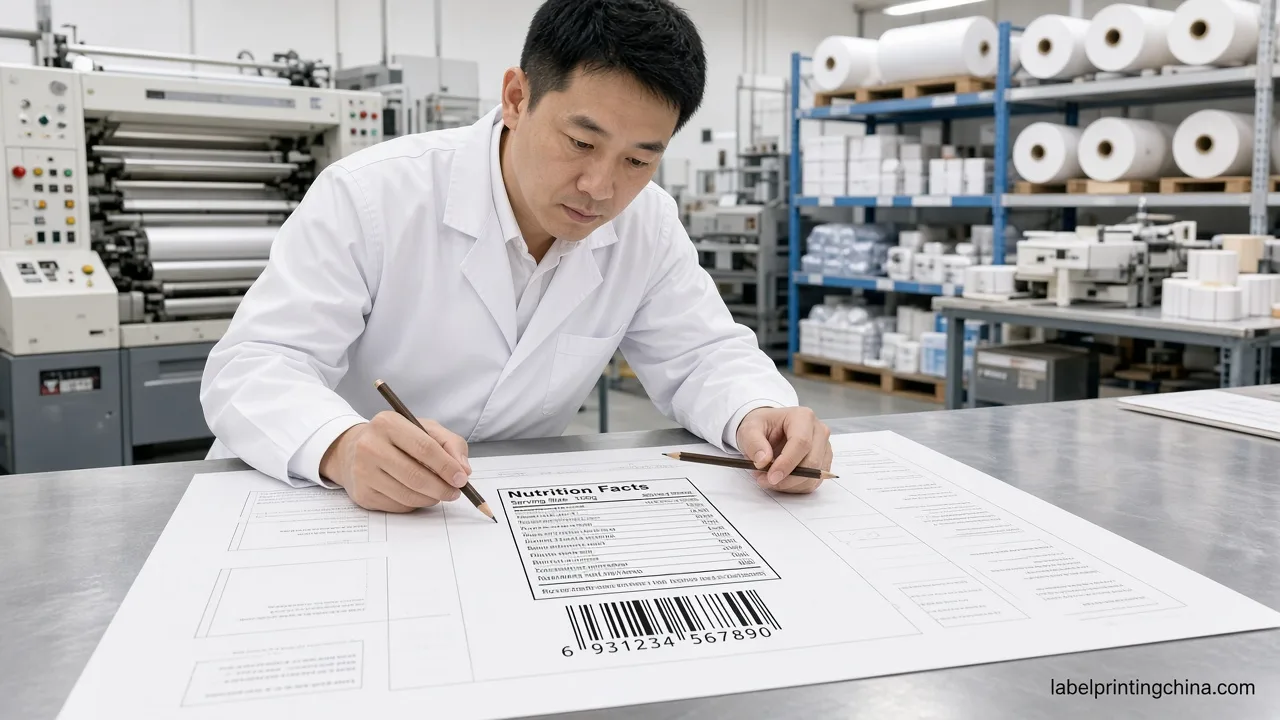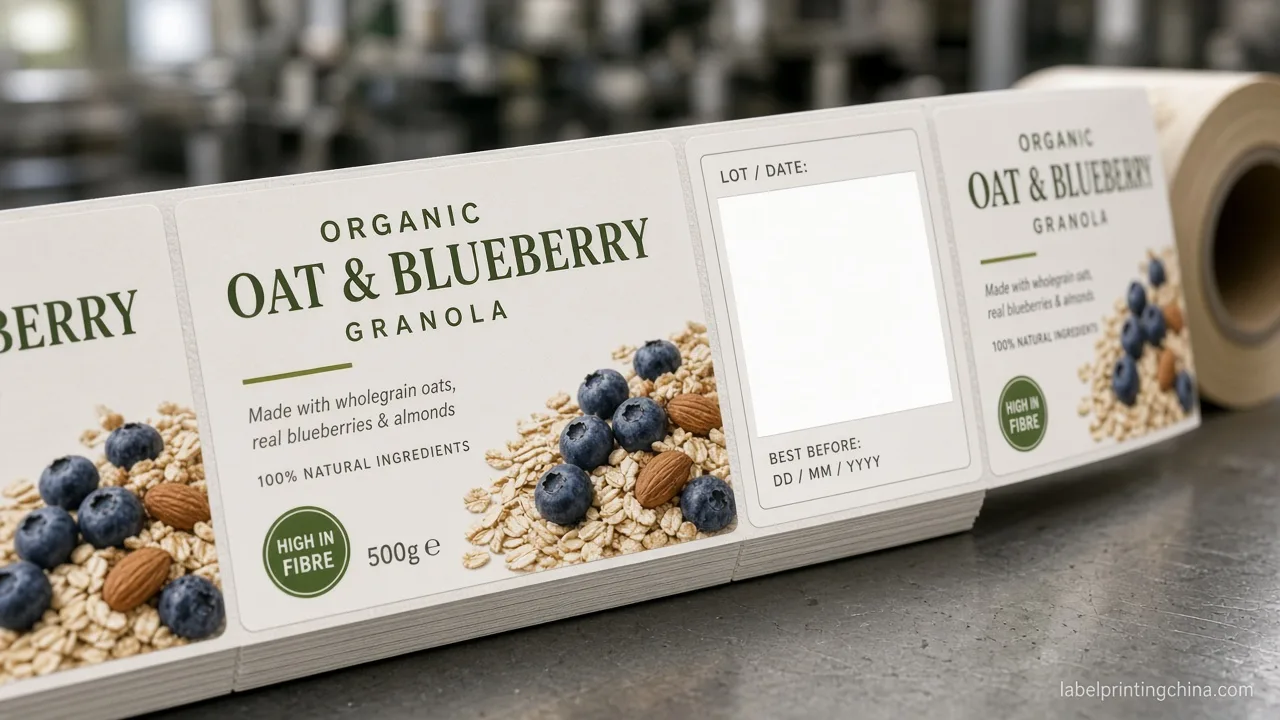
Craft beverage founders rarely plan label volume on day one. You validate a flavor at a farmers market, land one retail account, then discover your first small batch beverage labels order no longer matches distributor forecasts or applicator capacity.
Most scaling guides treat print method as a single volume threshold. Beverage brands actually move through three growth stages—each with a different cost driver, risk question, and specification checkpoint.
Quick answer: Start with MOQ 500–2,000 labels to prove adhesive, finish, and applicator fit.Combine compatible SKUs into 5K–10K print runs to amortize setup waste. Negotiate true volume tiers only after annual demand exceeds roughly 50,000 labels. Route print method by growth stage—not a single digital-vs-flexo cutoff.
Below you will see when to combine print runs, what changes at 50K+ units, and a factory migration SOP used on beverage accounts that grew from trial MOQ to national replenishment—including the specification discipline that keeps color stable across press changes.
Why Beverage Brands Outgrow Their First Label Order
The first label purchase solves credibility and compliance. The second purchase solves unit economics. Many founders treat both as the same decision and either over-order decorative finishes before demand is stable, or under-order and pay rush fees every quarter.
Beverage labels fail to scale for predictable reasons: each new flavor becomes its own SKU with a separate setup, seasonal promos interrupt cylinder reuse, and retail buyers request bar code or nutrition edits after artwork is approved.Another common trap is choosing a converter who accepts MOQ 500 but cannot hold color across 50,000 units on the same press line.
Before you reorder, map your 12-month unit forecast by SKU—not just your hero flavor. If you source custom beverage labels today, ask whether the same die, adhesive, and laminate will survive club-store handling, ice-bucket condensation, and automated applicators you may add later.
Based on 18 years of technical expertise in beverage converting, the healthiest growth path treats the first 2,000 labels as a specification test—not a branding finale.
Three Growth Stages for Small Batch Beverage Labels
Think in stages, not a single MOQ number. Each stage answers a different risk question and routes print method differently than generic digital-vs-flexo articles suggest.
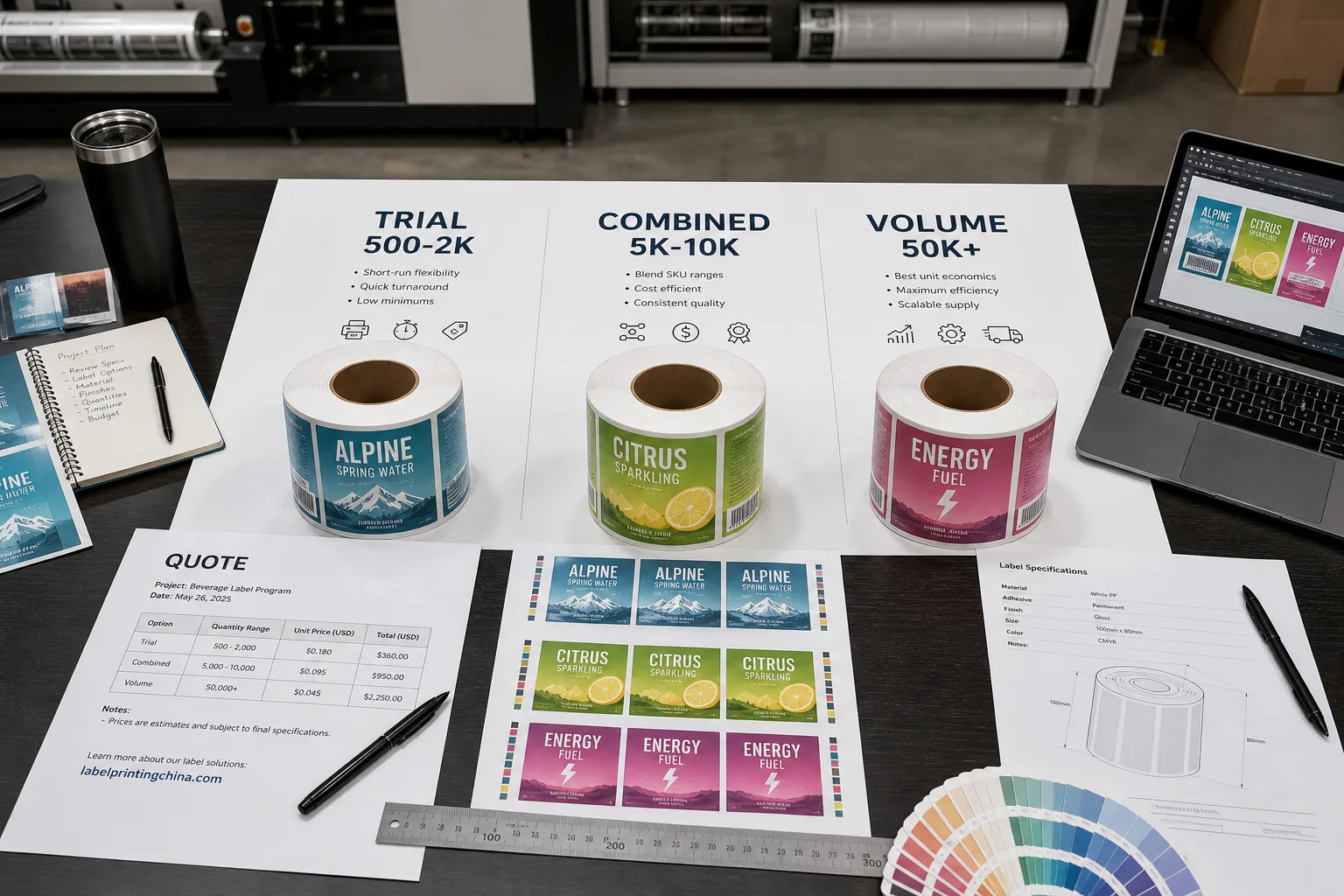
| Stage | Typical Volume | Primary Goal | Print Route | Cost Driver |
|---|---|---|---|---|
| Trial / market test | 500 – 2,000 labels | Prove adhesive, finish, applicator fit | Digital or short-run flexo | Setup + plate imaging |
| Retail expansion | 5,000 – 10,000 labels | Stabilize color; combine SKUs | Combined flexo run or hybrid press | Shared cylinder + makeready waste |
| Volume replenishment | 50,000+ labels / year | Lock tier pricing and call-off rhythm | Flexo with stored cylinders | Press speed, material yield |
Production-floor note: Pre-press rejects most stage-two RFQs when artwork versions differ by flavor but share one die—yet adhesive codes or laminate stacks do not match.Verify the material stack on every SKU before you quote a combined run; a 5K combined order with one incompatible flavor forces a full makeready reset.
Persona B founders often live in stage one for two seasons. Persona A purchasing managers jump to stage three quotes too early and discover artwork still needs regulatory edits. Match the stage to the question you are actually answering.
Roll labels for automated lines add another variable: core size and unwind direction must stay consistent as volume rises. Review custom roll labels specs before you commit to a bottling line upgrade—most beverage applicators expect a 76 mm (3″) core.
Combined Print Runs That Cut Cost at 5K–10K Units
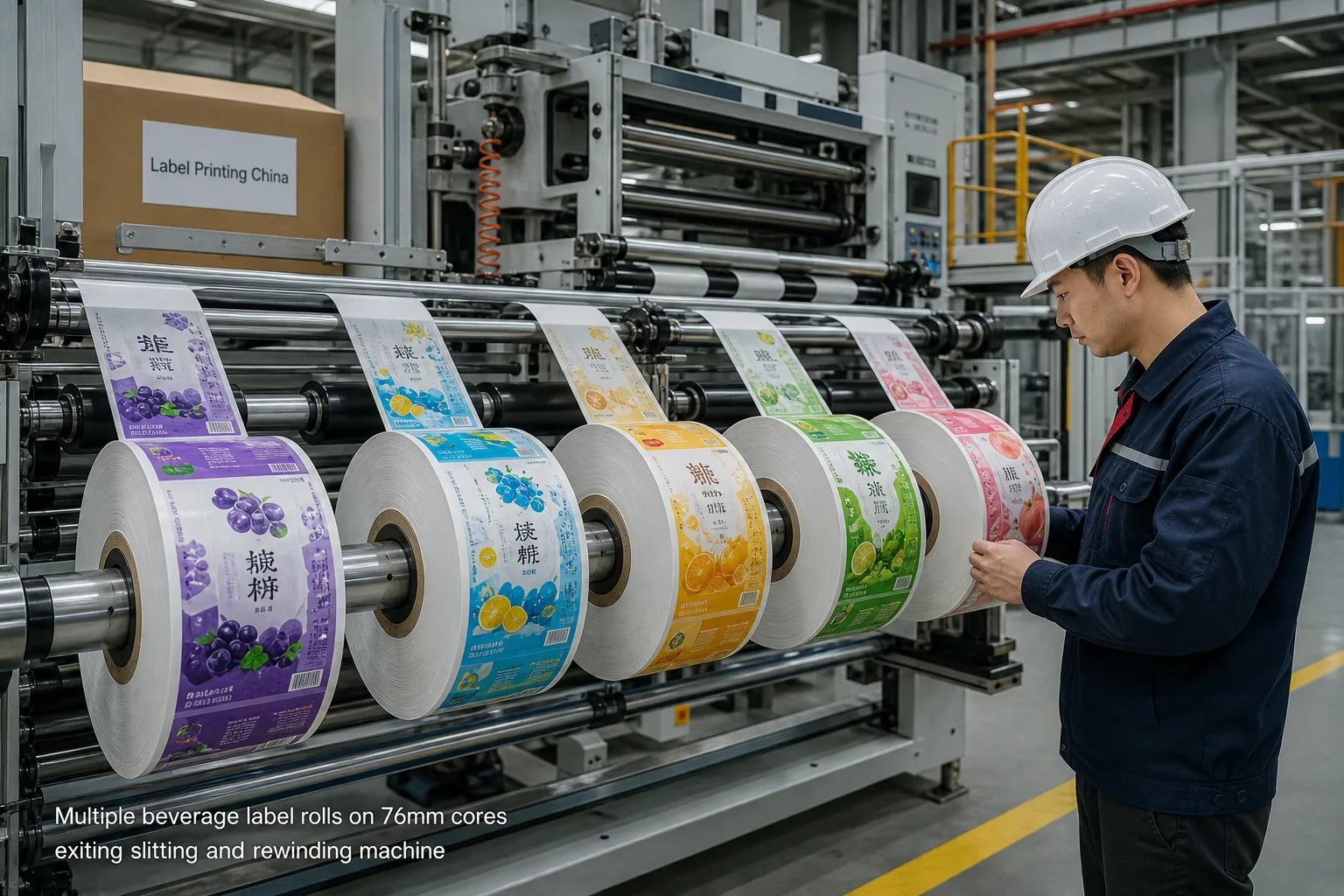
Combined printing is the most underused lever between trial and volume tiers. When two or three beverage SKUs share the same label dimensions, face stock, laminate stack, and color count, one press day can produce multiple flavors with one cylinder change sequence instead of three separate setups.
Freeze those shared widths against your real can diameter and wrap mode with our can wrap size charts before you gang the press day.
The savings come from amortizing plate imaging, makeready waste, and QC time across more finished labels. Three flavors at 3,000 labels each often costs less per label than three isolated 3,000-label orders placed weeks apart.
| Compatibility Check | Pass | Fail |
|---|---|---|
| Die line and corner radius | Identical vector die; same wrap length | Different bottle taper or shoulder curve |
| Face stock and laminate | Same BOPP or paper stack | Clear film needs spot white; paper does not |
| Adhesive code | Same cold-fill or ambient spec | One SKU needs freezer-grade adhesive |
| Regulatory panel | Nutrition layout matches panel grid | Different allergen blocks or font size rules |
| Color count | Within press station tolerance | One flavor adds metallic ink |
Send a combined-run RFQ with flavor list, shared spec sheet, and desired delivery split per SKU. Incomplete artwork delays the savings you are chasing—schedule combined runs only when every row in the table passes.
Ready to test your first beverage label spec?
Request a free sample pack on your bottle geometry before you commit to a 5K combined run or a 50K replenishment cycle.
Volume Pricing Signals at 50K+ Units
Above roughly 50,000 labels per year on a stable SKU, quotes shift from project pricing to replenishment economics. Setup is no longer the headline—yield, rewind efficiency, and raw material purchasing are.
Expect these signals when you have truly entered volume tier:
- Unit price breaks tied to annual call-off bands (50K / 100K / 250K), not single PO size alone
- Stored cylinders or plates with warehouse fees lower than re-imaging each order
- Color standards documented with spectral data so repeat runs do not need full re-proof
- Core programs: 76 mm (3″) for most beverage applicators, with palletized rewind specs
- Lead times measured in production weeks, not pre-press discovery weeks
Brands that jump suppliers only for a lower per-thousand quote at 50K often lose more in downtime than they save on ink. The FDA adhesive compliance rules do not change with volume, but internal change-control must—one unauthorized artwork edit at 100K scale is expensive.
Negotiate payment terms that match cash flow: 30% deposit with balance before ship is common on first volume PO; established beverage accounts may move to net terms after three clean replenishment cycles.
Factory Switch SOP When You Change Printers
Changing label factories mid-growth is sometimes necessary—MOQ mismatch, color drift, or missed retail deadlines. Treat it as a technical migration, not a PO transfer.
Red flags before you approve a new converter:
- Quote uses marketing adhesive names only—no supplier code or peel-adhesion range
- No written Delta-E tolerance for brand colors under D50 lighting
- Refuses a 500-unit bridge order before a 50K replenishment
- Cannot confirm 76 mm (3″) core and unwind direction for your applicator
- Asks for artwork re-build without receiving vector die line from prior supplier
Use this seven-step SOP before you approve the first mass run with a new converter:
- Archive the approved golden sample from the prior supplier with date, PO, and press ID.
- Export die line and bar code files in vector format; confirm unwind direction and core size.
- Document adhesive code and face stock—not marketing names alone.
- Run a 500-unit bridge order on the new press; test ice bucket, fill line, and retail scuff for 72 hours.
- Compare Delta-E on brand colors under D50 lighting; accept only with written tolerance (typically Delta-E ≤ 2.0 for hero colors).
- Verify applicator tracking on your bottling line at production speed.
- Hold one week of old-stock labels as buffer during the first full replenishment.
Skipping the bridge order is how brands end up with 20,000 labels that peel in refrigeration. The article on beverage label design covers shelf readability; this SOP covers whether the physical label survives the growth you planned.
Sample-to-Mass Production Checklist
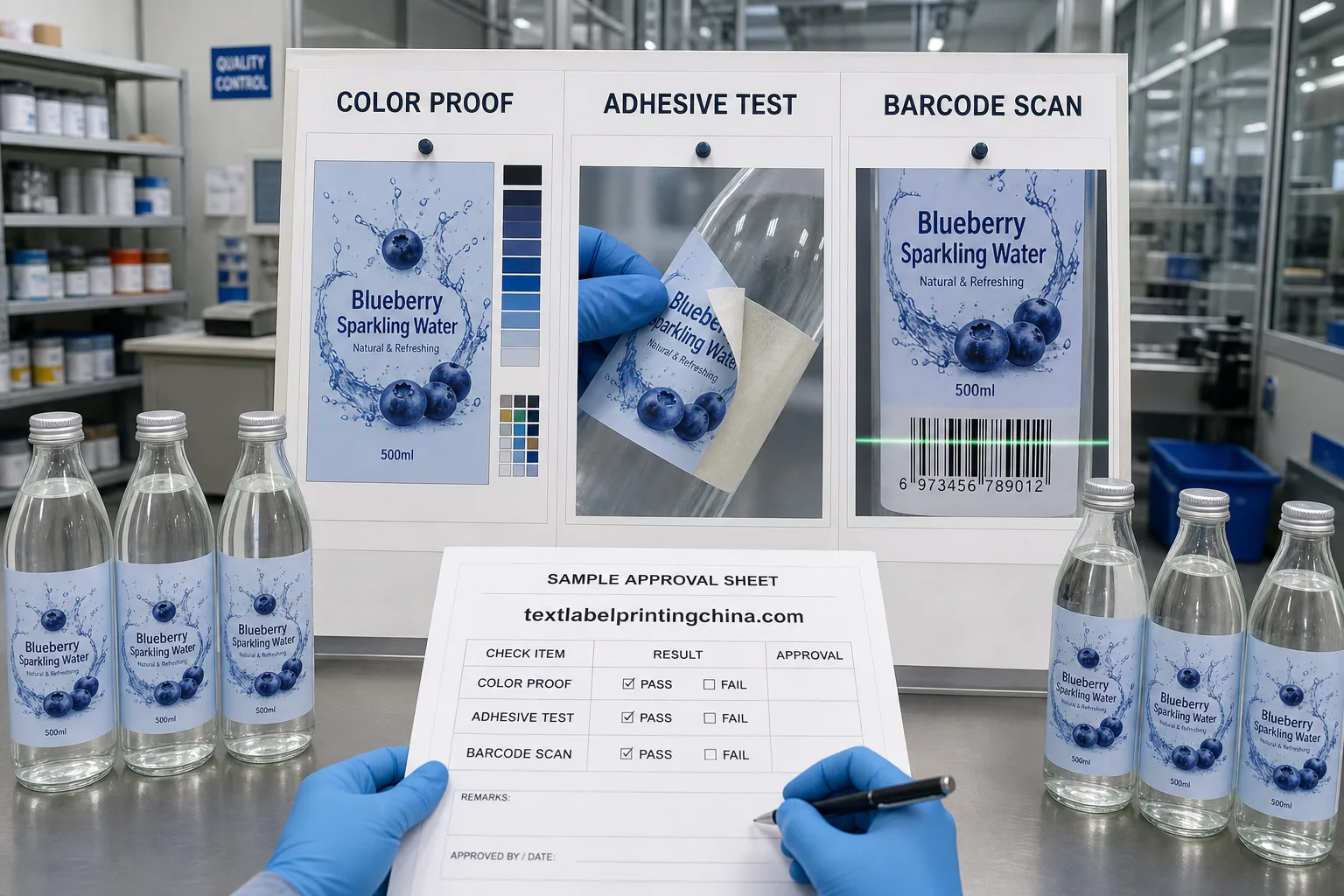
Before you approve a 10K combined run or a 50K replenishment, confirm these items with your project manager. This checklist prevents the most common scale-up rework requests.
| Checkpoint | Pass Criteria |
|---|---|
| Artwork version control | File name includes date; nutrition panel matches SKU |
| Color proof signed | Physical proof on actual face stock, not PDF alone |
| Adhesive test log | 72-hour chilled bottle test documented |
| Bar code scan rate | Grade A/B on three consecutive scans |
| Roll specification | Core 76 mm (3″), correct unwind, max roll OD agreed |
| Split delivery plan | Per-SKU counts and ship dates on PO |
Scaling is a specification discipline. Brands that document adhesive codes and store approved proofs move from 2K to 50K with one color correction cycle; brands that treat each order as a new design project pay setup three times.
RFQ Package for Your Next Volume Step
Send this package when you move from stage one to stage two or three. Incomplete RFQs get quoted conservatively, which hides the real unit economics you need to plan cash flow.
- 12-month forecast by SKU with minimum and maximum monthly usage
- Shared spec sheet: face stock, laminate, adhesive, die size, color count
- List of SKUs eligible for combined printing with Pass/Fail scores
- Approved sample photo and prior PO number for color match
- Applicator model, core size, and max roll diameter
- Requested incoterm and ship-to region for landed cost comparison
Complete beverage RFQs typically receive quotes within 12 hours. MOQ 500 remains available for new flavors; volume tiers activate when annual demand and spec stability are clear.
Frequently Asked Questions
What is a realistic MOQ for small batch beverage labels?
Five hundred labels is a workable trial for most beverage startups. Two thousand labels gives a safer buffer for sales samples, line tests, and a short retail pilot without triggering a second setup fee within the same quarter.
When should a beverage brand combine label SKUs on one print run?
Combine when die size, material stack, laminate, adhesive, and color count align on the Pass/Fail table. Five to ten thousand total labels across two or three flavors is a common sweet spot. Keep regulated or adhesive-different SKUs separate even if the outline matches.
How do beverage label prices change at 50,000 units?
Material yield and press efficiency drive savings more than artwork changes. Expect annual tier bands, stored cylinders, and shorter lead times once color is locked to spectral standards.
What should you verify before switching beverage label factories?
Match die line, adhesive code, color proof, core size, unwind direction, and applicator tracking. Run a 500-unit bridge order and document Delta-E tolerance before approving a full replenishment.