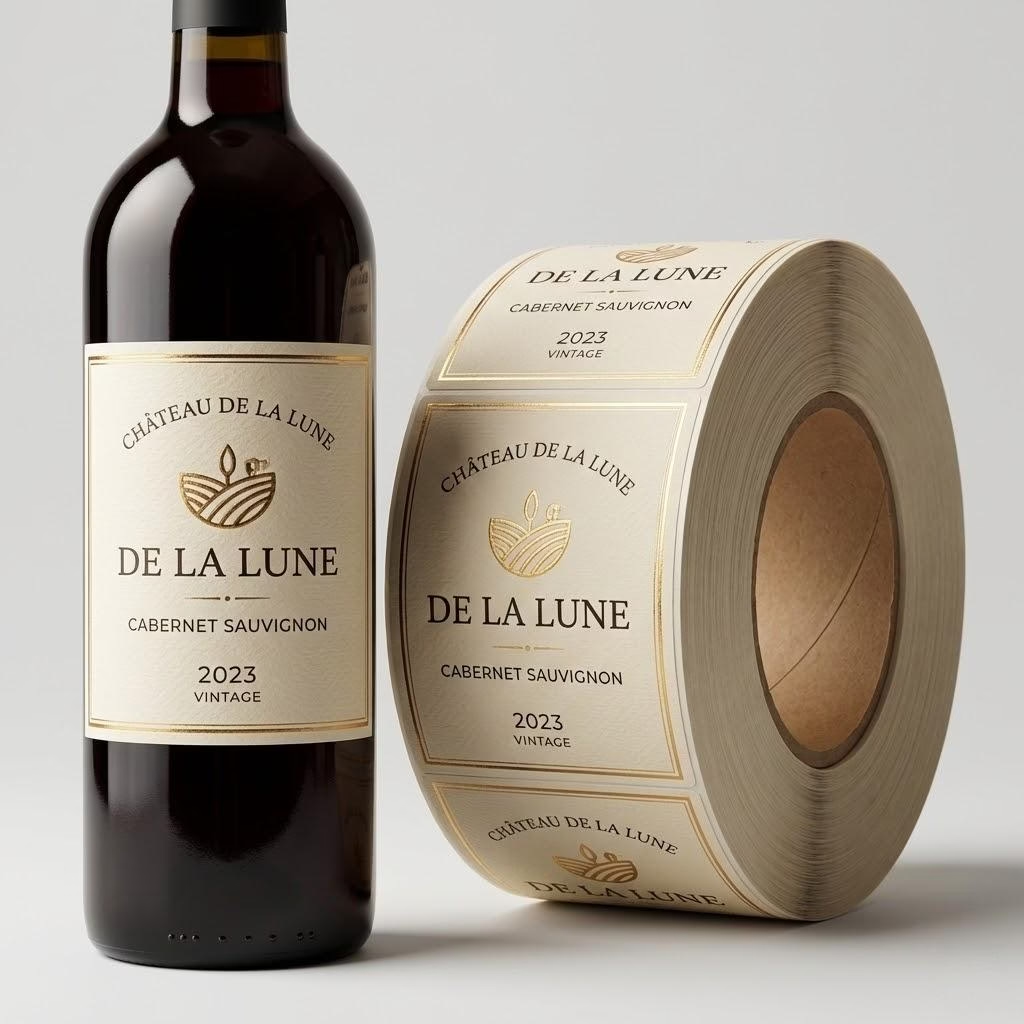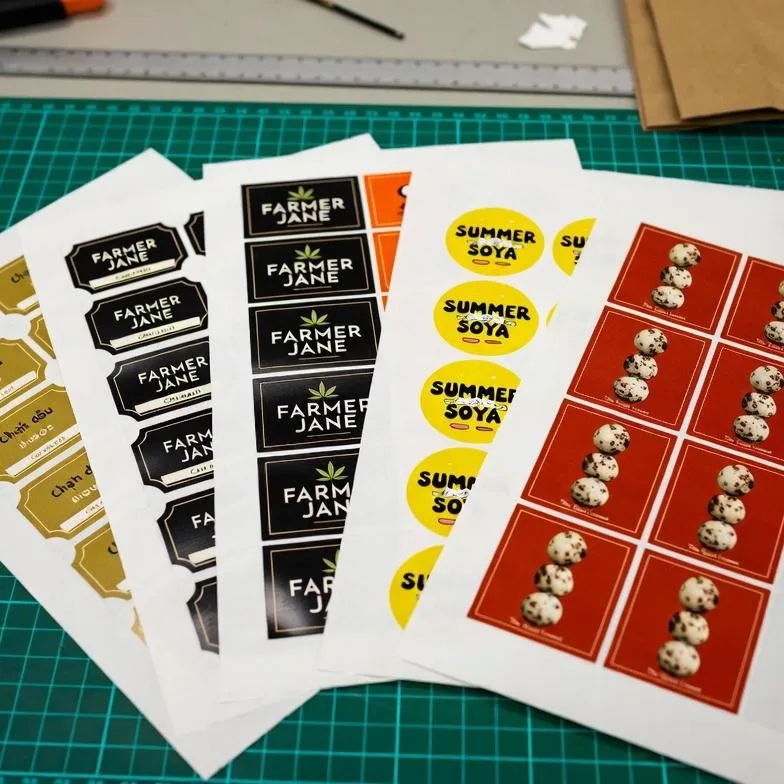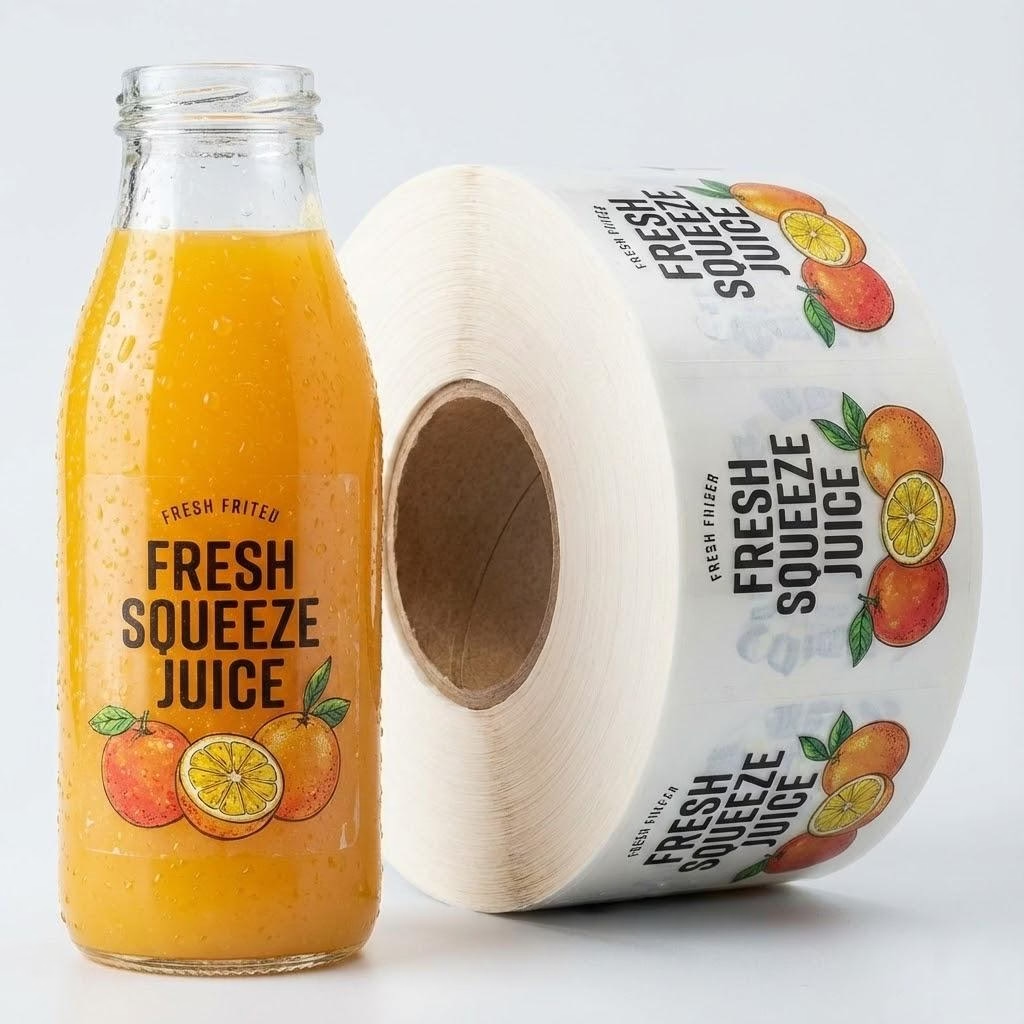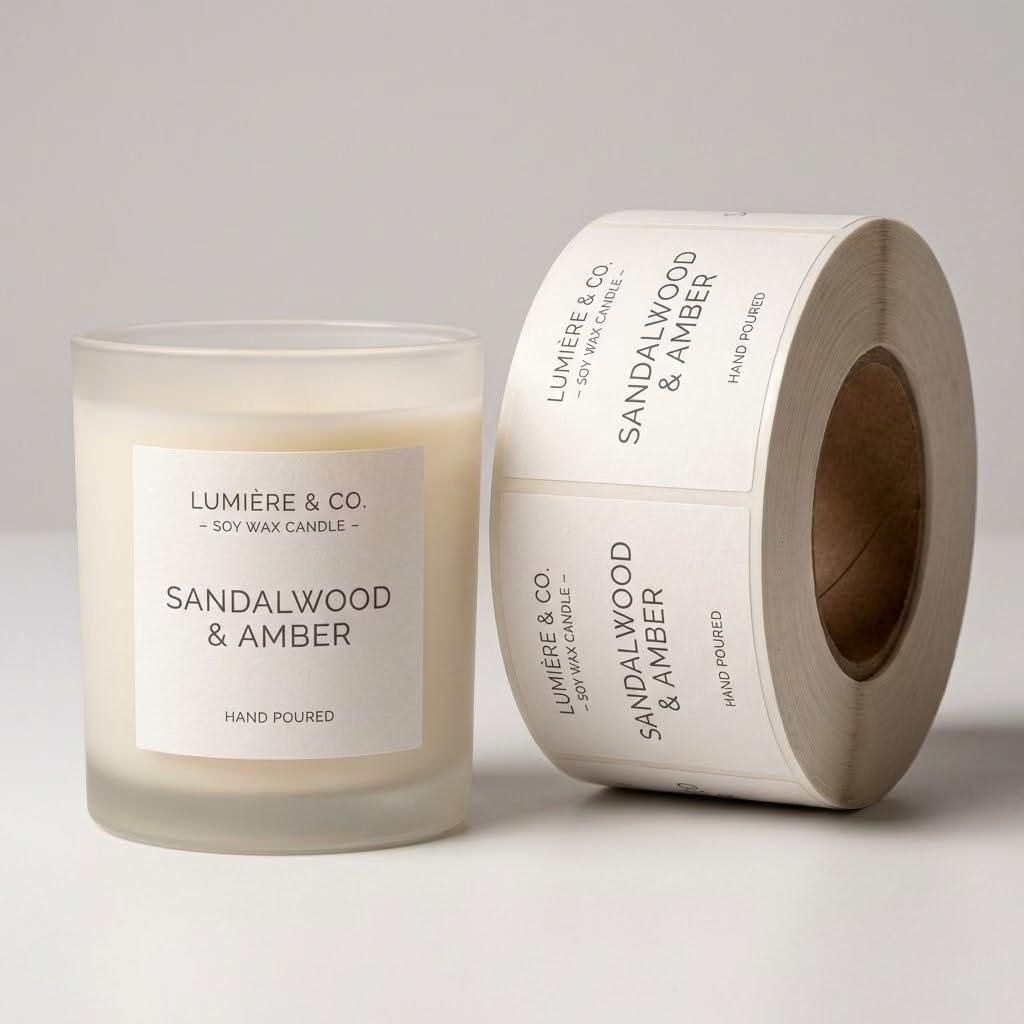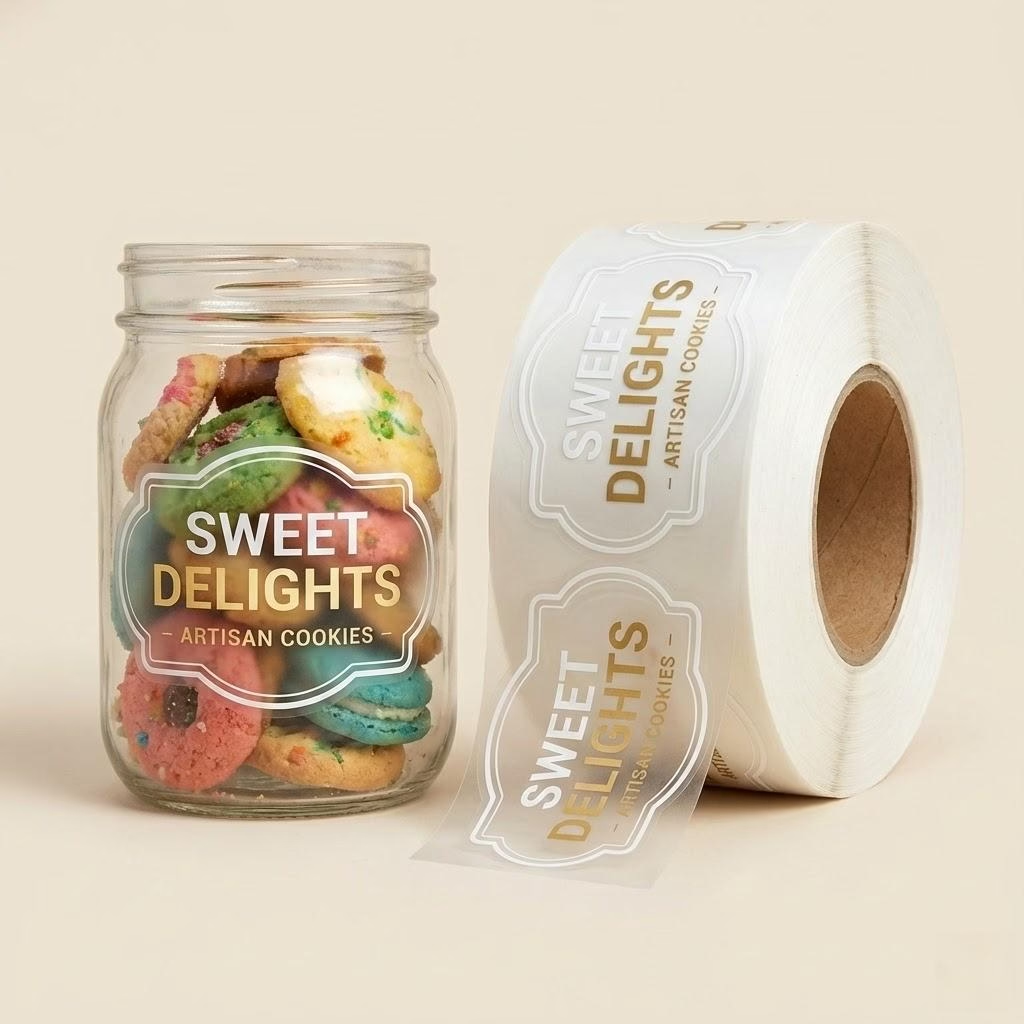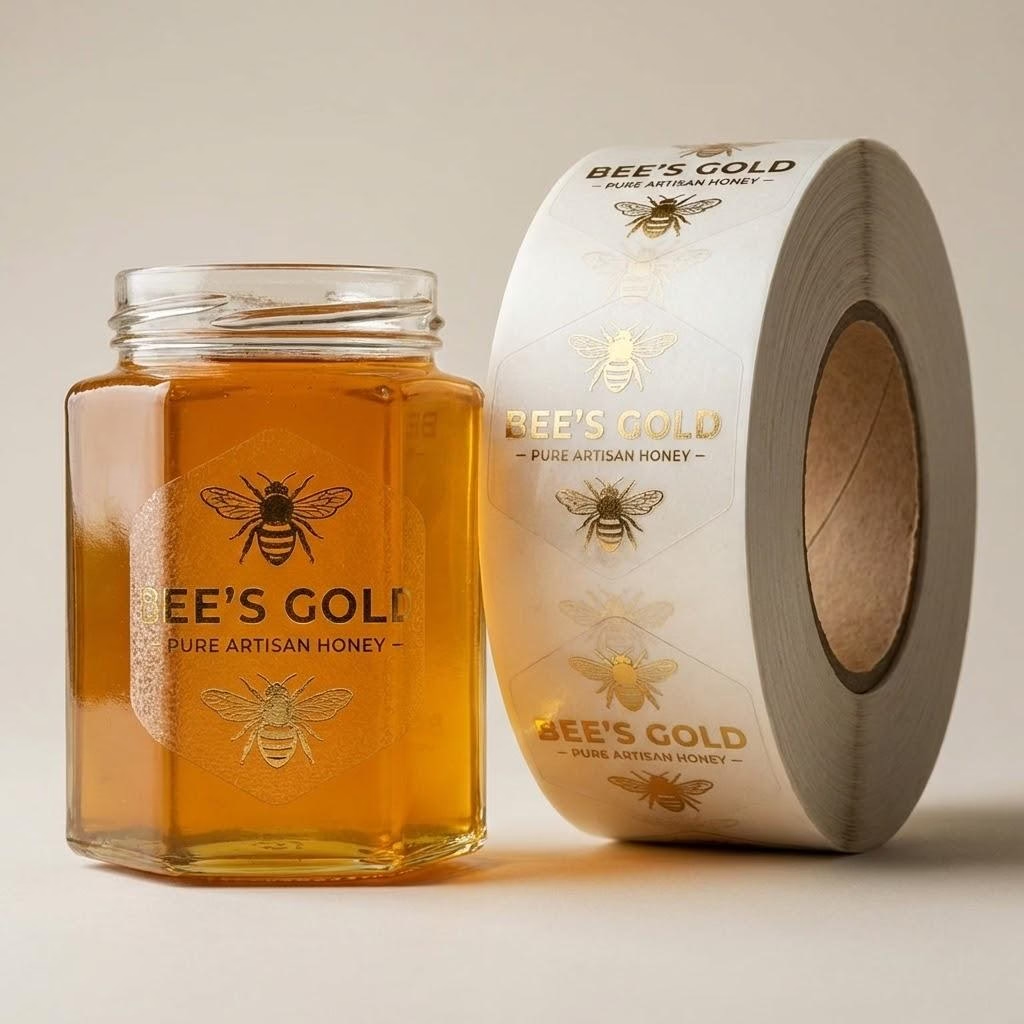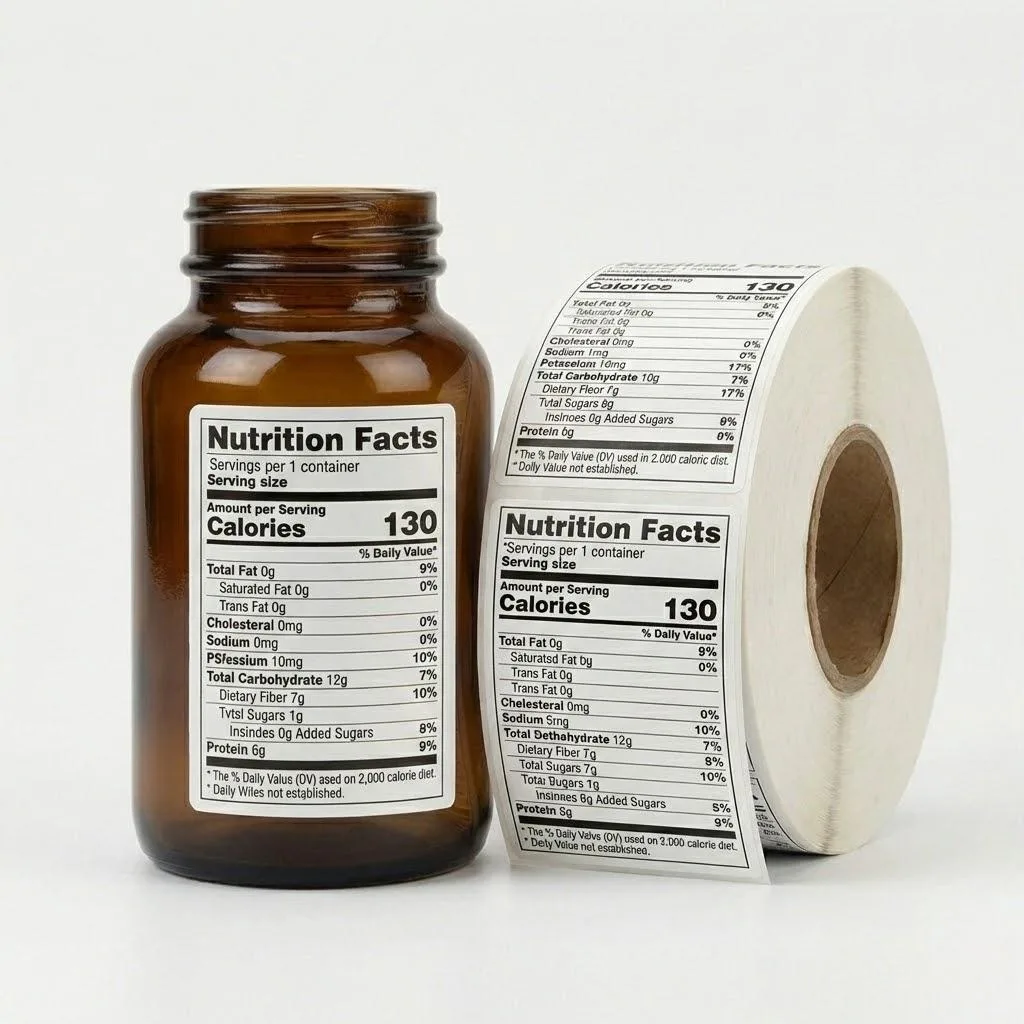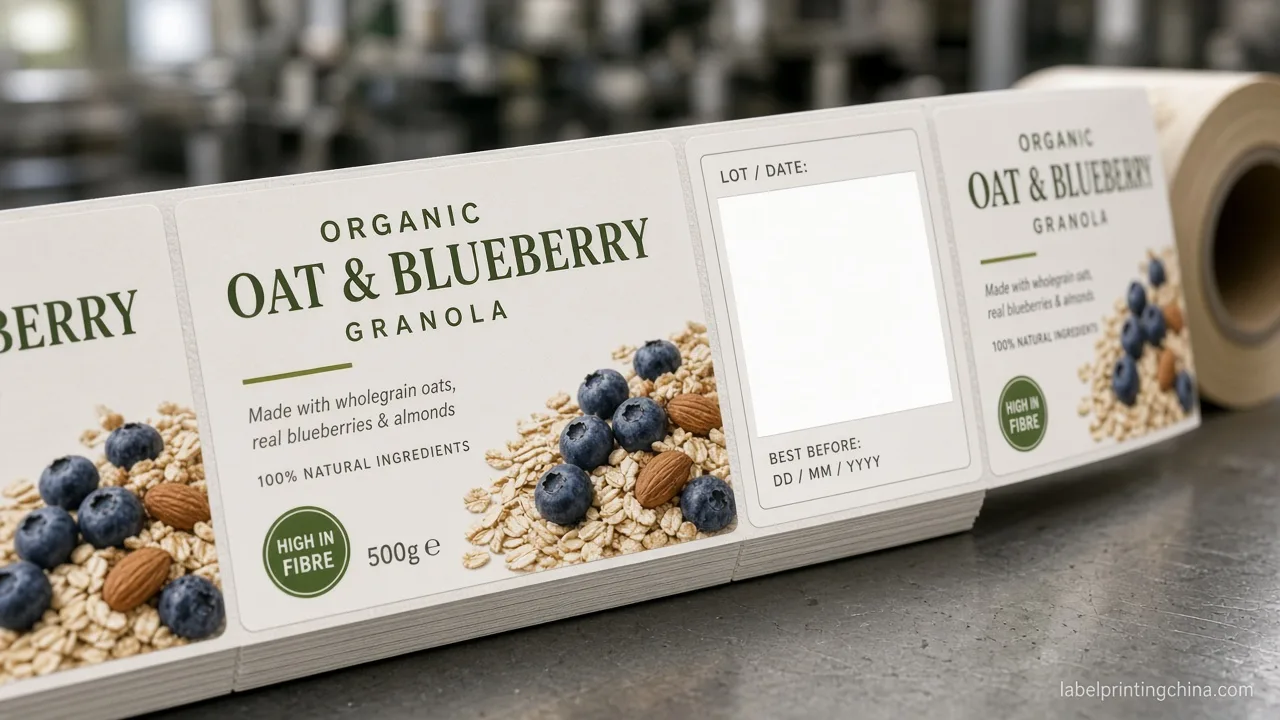
Small-batch food brands outgrow DIY sheet labels fast—then stall when a supplier quotes 10,000 rolls, hides a $400 die charge behind a glossy unit price, or ships BOPP that lifts after one freezer cycle you never tested on your actual jar alloy. Small frozen runs share the same proofing line, and our freezer labels hold adhesive at -18C storage.
Small batch food labels route through three procurement lanes—cut sheet for hand apply under 500 pieces, digital or short-run flexo rolls from about 500 labels, and traditional flexo above 3,000 rolls—and you should lock face stock, laminate, and adhesive as one Pass/Fail stack before you compare any unit price.
Below you will find an MOQ routing table for sheet vs roll vs flexo, a material-stack Pass/Fail matrix with cold-chain test steps, a quote-comparison framework that exposes setup traps, and a pre-order checklist with MOQ and pricing thresholds mapped from common PAA questions.
Why Small-Batch Food Labels Need Different Procurement Rules
Bulk label economics assume long runs, amortized plates, and stable artwork. A jam startup running 800 jars per season inherits none of those assumptions—yet most SERP pages still sell «low minimum» without naming where setup fees stop making sense.
Short runs punish three predictable mistakes: choosing roll stock without a dispenser plan, accepting waterproof marketing without a named soak protocol, and comparing unit cost while plate and die lines stay buried on page two of the quote.
Before you RFQ, classify your apply method. Hand labeling on curved jars favors laser-cut sheets with split backing. Semi-automatic lines need roll labels with correct unwind direction and core diameter. Mixing the format to chase a lower MOQ is the fastest path to relabeling a full batch after the adhesive fails QC. At this stage, treat every quote as a process choice—not just a price per thousand.
FDA-facing copy must stay accurate across version changes—ingredient, allergen, and net-quantity lines must match your current formulation before you print the next short run, even when total volume stays under 1,000 labels.
MOQ Routing: Sheet, Roll, and Short-Run Flexo Compared
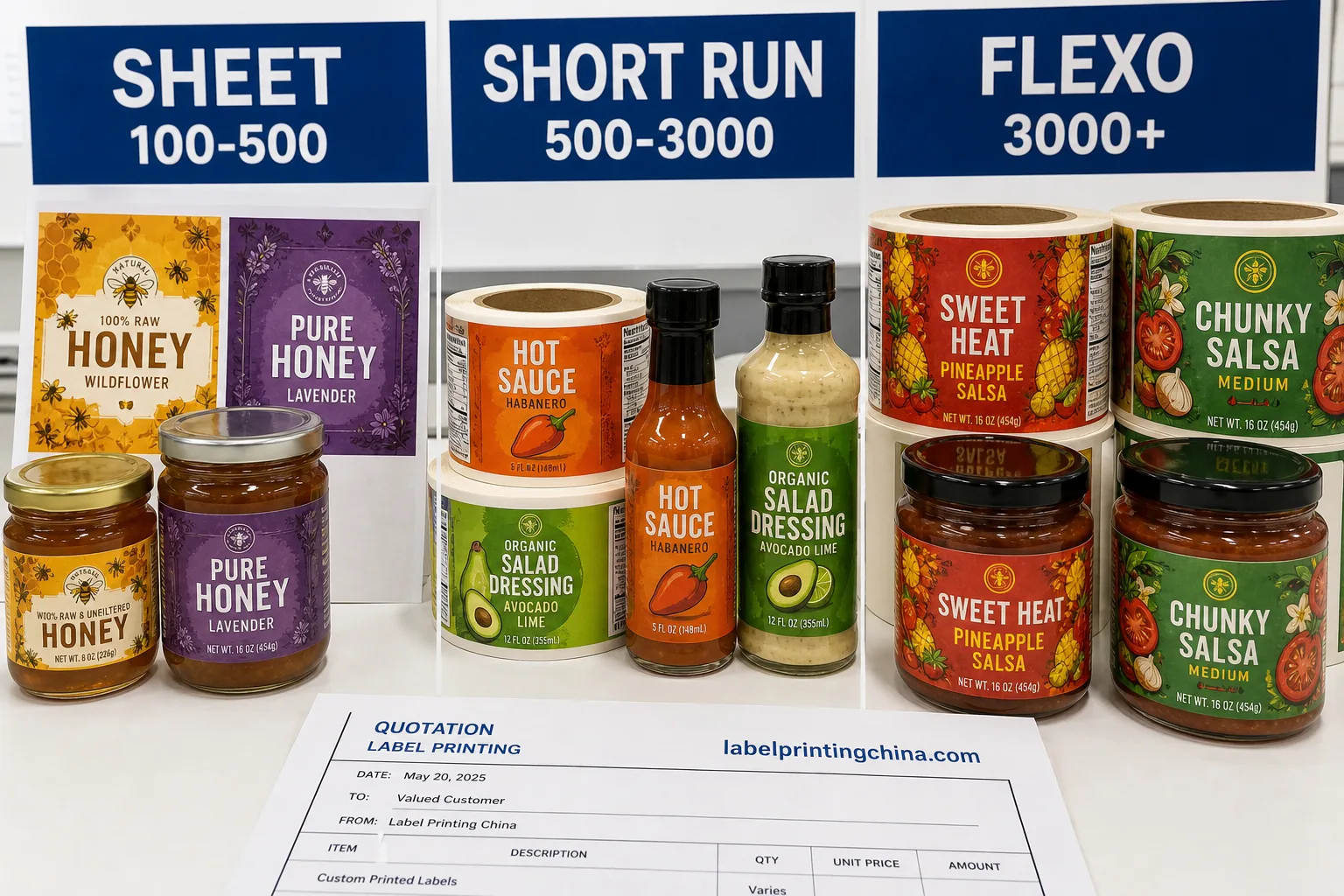
«Low minimum» on a retail site often means 25 cut singles—not factory-direct roll MOQ with prepress included. Map your volume to the lane that keeps total landed cost honest, not just the lowest sticker per label. Short-run roll work often routes through flexographic or digital presses; knowing which process your quote assumes helps you interpret setup fees on 500–3,000-roll pilots.
| Procurement Lane | Typical MOQ | Best Fit | Pass / Fail |
|---|---|---|---|
| Laser-cut sheet labels | 100–500 sheets | Hand apply, farmers market SKUs | Pass if <500 pcs/season |
| Digital / short-run flexo roll | 500–3,000 rolls | Emerging brands, seasonal flavors | Pass → lock die once |
| Traditional flexo roll | 3,000+ rolls | Stable SKU, auto apply line | Pass when art frozen 12mo |
| Roll quote without core spec | Any | Unknown dispenser | Fail → confirm 3″ core first |
A landed-quote review for a 900-jar honey SKU stalled when the buyer compared two roll quotes at $0.09 vs $0.06 per label—but the cheaper line carried a $380 new-die fee and a 5,000-roll minimum buried in the terms block. Routing through the table above moved the order to a 1,000-roll short-run flexo lane at $0.07 with a shared die credit, saving roughly 18% on total project cost while keeping artwork revision slots open for a seasonal variant.
Roll formats for co-packers and gift sets often pair with custom roll labels specs that name unwind direction, core size, and overlap—fields a sheet-only RFQ will never surface until the applicator jams on day one.
Material Stacks for Small-Batch Food Labels: Pass/Fail Criteria
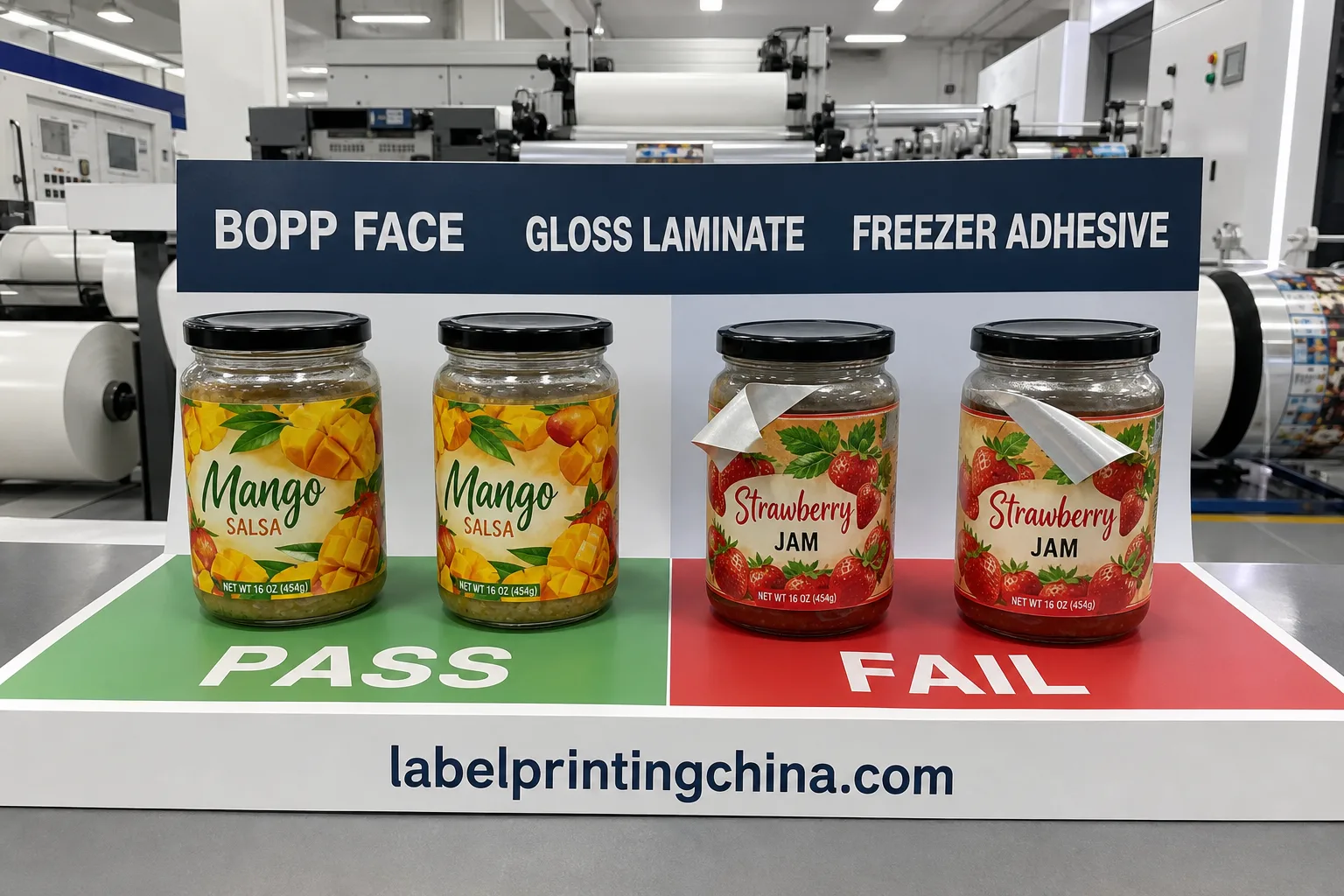
Top SERP pages mix waterproof, oil-resistant, and freezer-safe on the same bullet list. On the production floor those terms map to three independent layers—face stock, overlaminate, and adhesive—and a failure in any one layer voids the marketing claim. For how film face stocks behave on pouches and wraps, see flexible packaging material resources as upstream context before you lock a BOPP stack with your converter.
| Stack Element | Small-Batch Route | Fail Signal | Pass / Fail |
|---|---|---|---|
| Face stock | White BOPP 2.4mil or paper + flood coat | Paper swell in oil/moisture | Pass → film for chilled SKU |
| Laminate | Gloss 12µ moisture barrier | Matte wicks at trim line | Pass → seal edge band |
| Adhesive | Freezer-grade acrylic 18–22 N/25mm | Lift after condensate cycle | Pass → 72h freezer hold |
| «Waterproof» without soak data | Marketing only | No temp/duration cited | Fail → demand test report |
On a 600-roll condiment pilot, QC held shipment when a matte-laminate stack showed edge lift after 48 hours at −18°C while a gloss-barrier sample from the same artwork passed. The buyer had accepted «freezer-safe» language without a named adhesive grade—exactly the gap the Pass/Fail rows above are meant to close before you approve a golden sample.
Need factory-direct food labels with short-run MOQ?
Get roll or sheet formats built for FDA-facing SKUs—with prepress audit, material-stack guidance, and 500-roll entry points for emerging brands.
Cold-Chain and Condensation Testing Steps
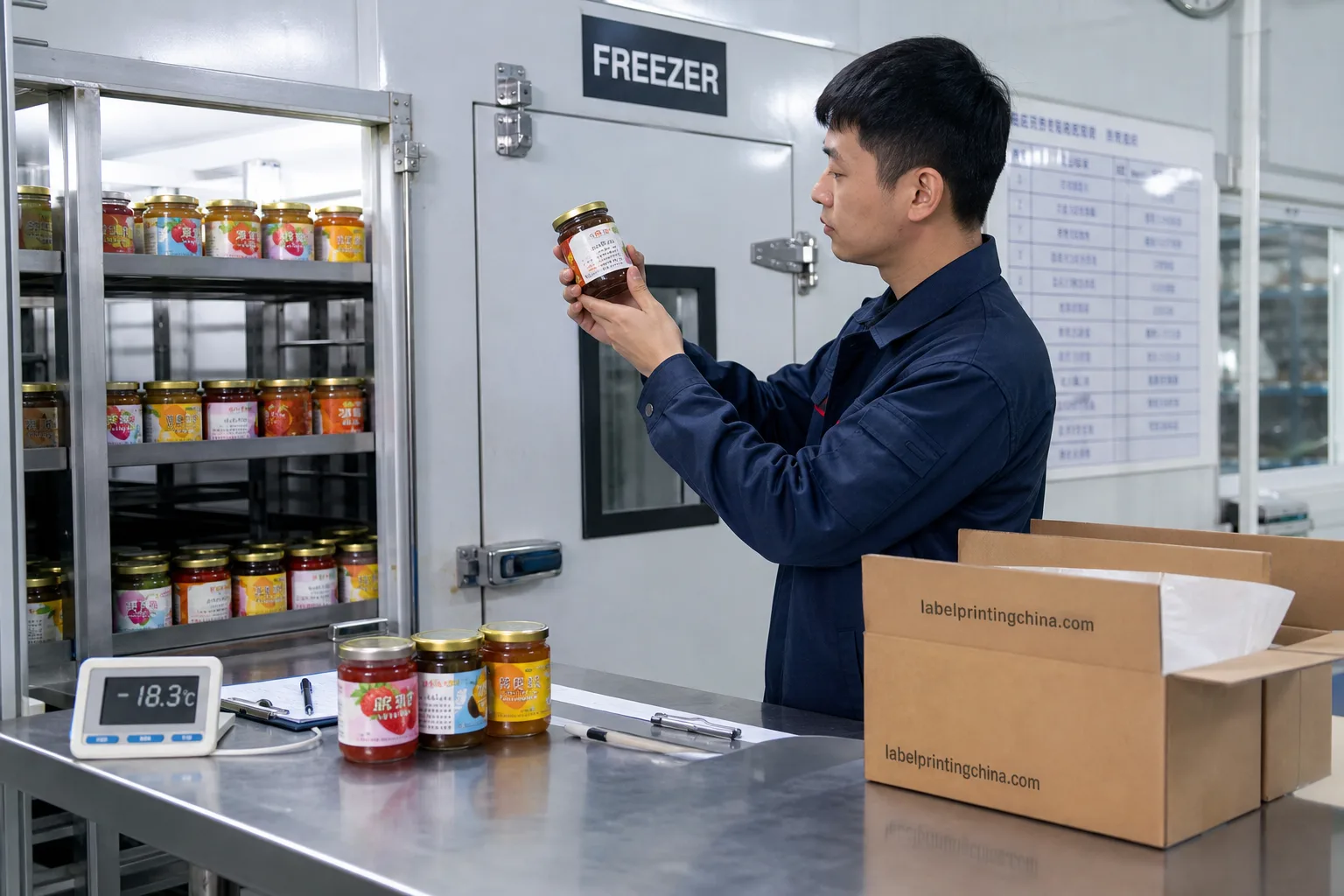
Short runs ship before buyers build a formal QC lab—so run a repeatable four-step bench protocol on golden samples before you release the PO. Use your actual container alloy, not a flat glass panel.
- Apply labels to dry bottles at 23°C; rest 24h.
- Freeze at −18°C for 72h; thaw 2h at room temperature.
- Wipe condensate with dry cloth; inspect trim under raking light.
- Record peel force at edge—target 18 N/25mm minimum on film stacks.
Red flags that should stop approval:
- Edge tunneling after a single freeze-thaw cycle
- Barcode quiet zone blur after condensate wipe
- Ink smear on oil-contact zones without a named grease-barrier laminate
- Supplier refuses to test on your bottle radius—flat-panel pass is not transferable
Document results on the same row as your material stack in the RFQ so revision rounds stay tied to a physical sample, not email adjectives. What this means for your first PO: a 72-hour freezer hold on labeled jars costs less than relabeling one retail lot after adhesive failure.
When the stack includes an adhesive layer, the food-safe label adhesives guide defines what counts as compliant for indirect food contact.
How to Compare Quotes Without the Setup-Cost Trap
Unit price is the last number you should trust on a short-run quote. Setup, plate, die, and freight lines often exceed label stock on the first order—especially when artwork changes every quarter.
| Quote Line | Ask Before Sign-Off | Red Flag |
|---|---|---|
| New die / cutting tool | One-time or per revision? | Die fee with no credit on reorder |
| Plate / cylinder | Stored how long? Change cost? | Full replate on minor text edit |
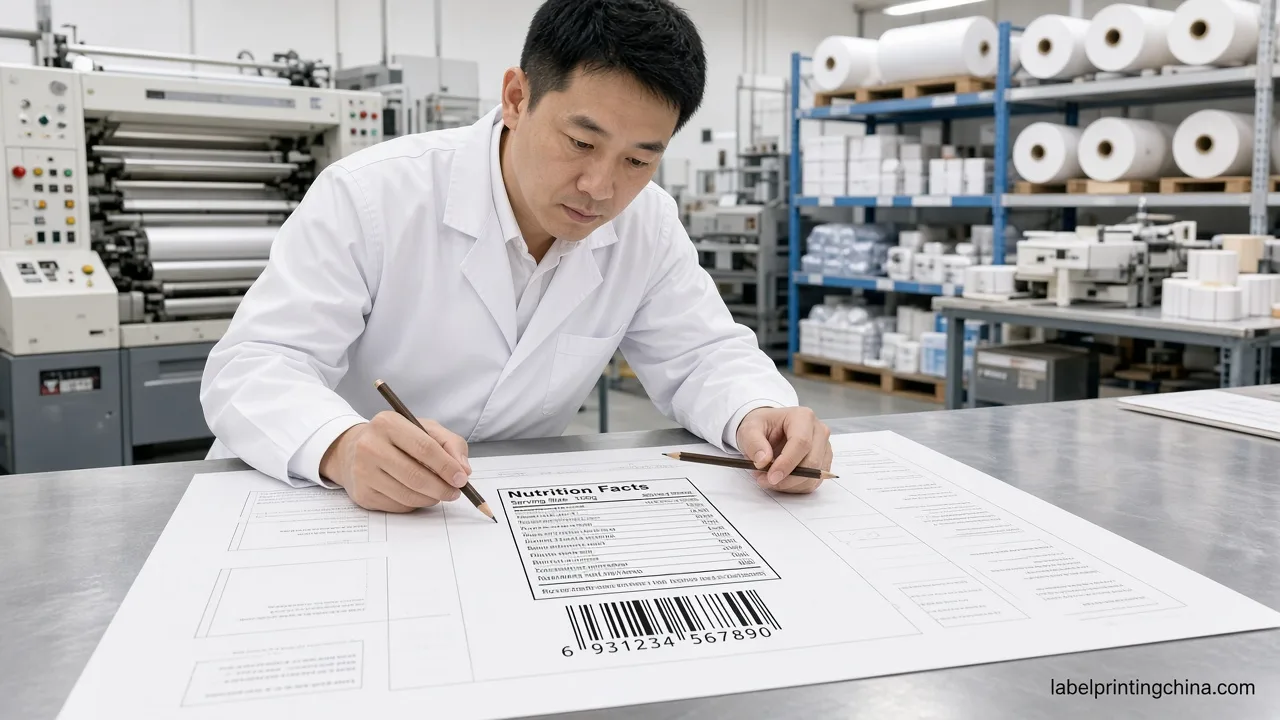
| Prepress proof | How many revision rounds included? | Open-ended hourly prepress |
| Unit price | Valid at quoted MOQ only? | $0.04/label requires 10k+ run |
| Freight / DDP | Air vs sea break-even volume? | Freight >30% of first PO |
| Material TDS | Food-contact statement attached? | No adhesive grade on quote |
Normalize every bid to total landed cost per usable label at your realistic reorder volume—not the teaser MOQ on the cover page. Factor in die ownership, plate storage, and whether your converter credits tooling on a second SKU in the same product family. A sourcing manager comparing three short-run bids found the lowest unit price carried $520 in combined die and express freight, making the mid-tier quote 14% cheaper on total project cost for a 1,200-label chili SKU.
For a broader RFQ framework on versioning and supplier switches, see the custom labels sourcing playbook—then apply the six-row audit above to filter quotes that only look cheap at the unit-price line.
Pre-Order Checklist Before You Lock a Short-Run PO
Run this list against the final quote PDF and the approved golden sample in the same sitting—skipping a row transfers the failure mode to your retail shelf.
- Apply method confirmed: sheet hand vs roll auto with core and unwind direction
- MOQ lane matches realistic annual volume plus one reorder buffer
- Face + laminate + adhesive named on one line with TDS reference
- Freezer or oil soak report attached for your container geometry
- Nutrition and allergen copy reviewed against current formulation
- Die and plate ownership terms initialed; revision round cap stated
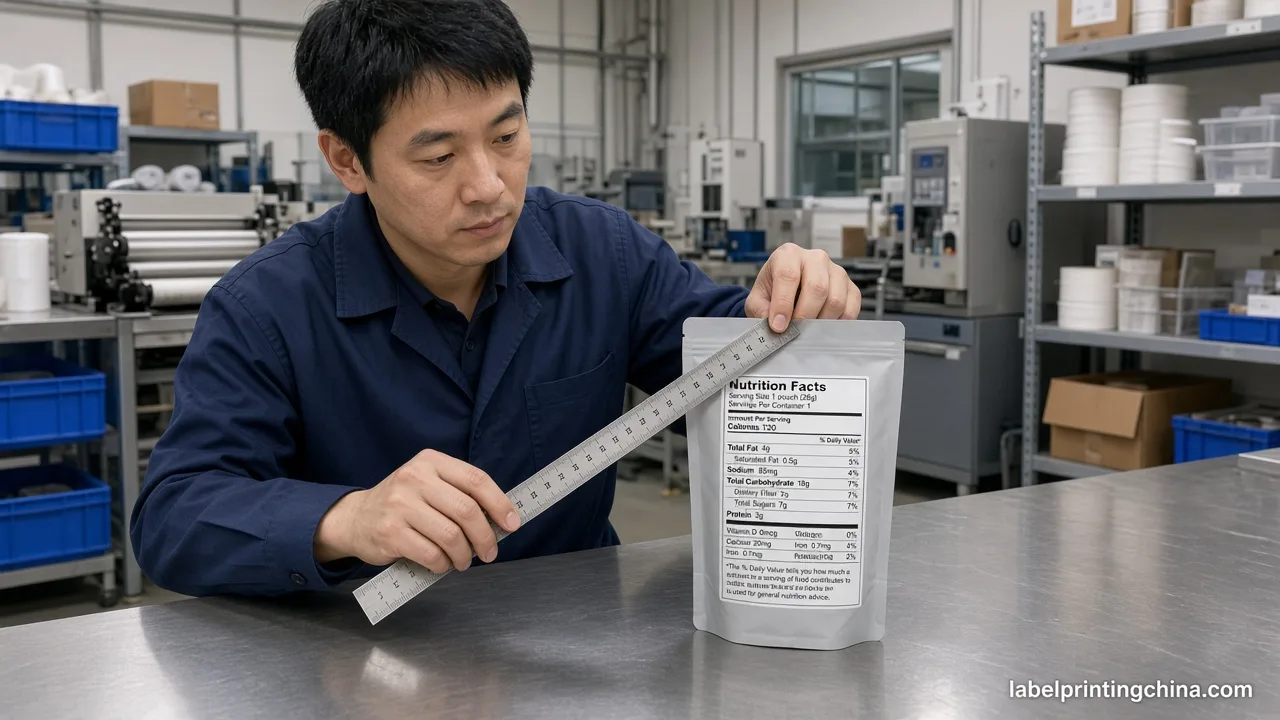
- Barcode quiet zone verified after laminate stack approval—cross-check quiet-zone width against GS1 retail barcode standards before your first retail account
- Lead time split: prepress days vs production days vs transit
Sheet-first brands graduating to rolls should confirm whether existing artwork needs bleed adjustment for rotary die repeat—another reason to route early pilots through custom sheet labels before you commit a full roll cylinder.
On pricing: factory-direct roll MOQ typically starts near 500 labels for digital or short-run flexo, with cut-sheet programs viable at 100–500 pieces for hand apply. Expect roughly $0.05–$0.12 per label on 500–2,000-roll runs before die and freight—always normalize to total landed cost, because sub-$0.04 unit quotes usually assume 5,000+ rolls or omit tooling lines entirely.