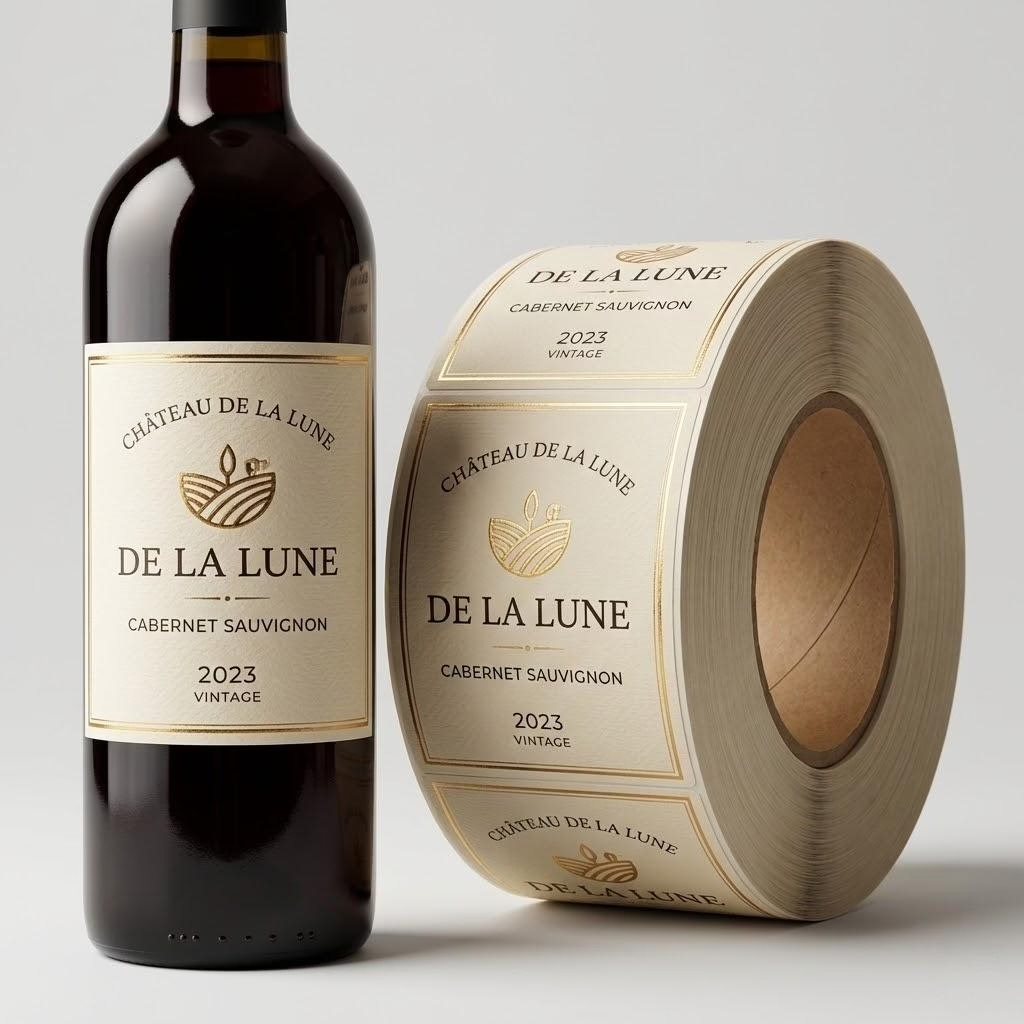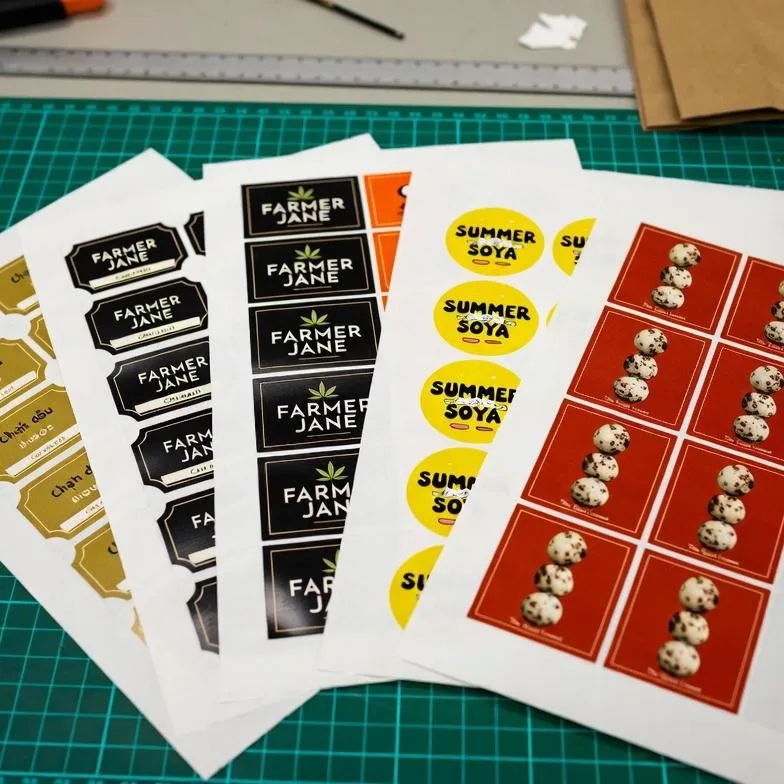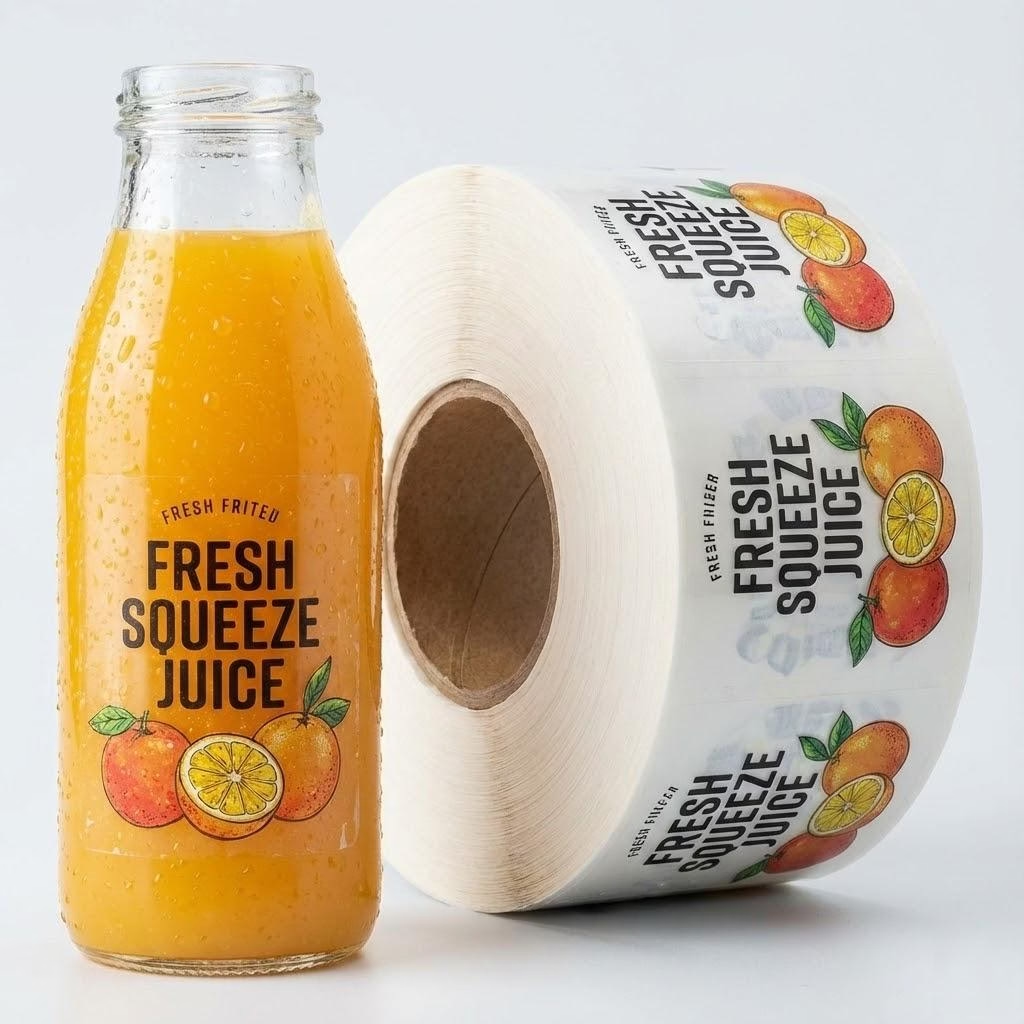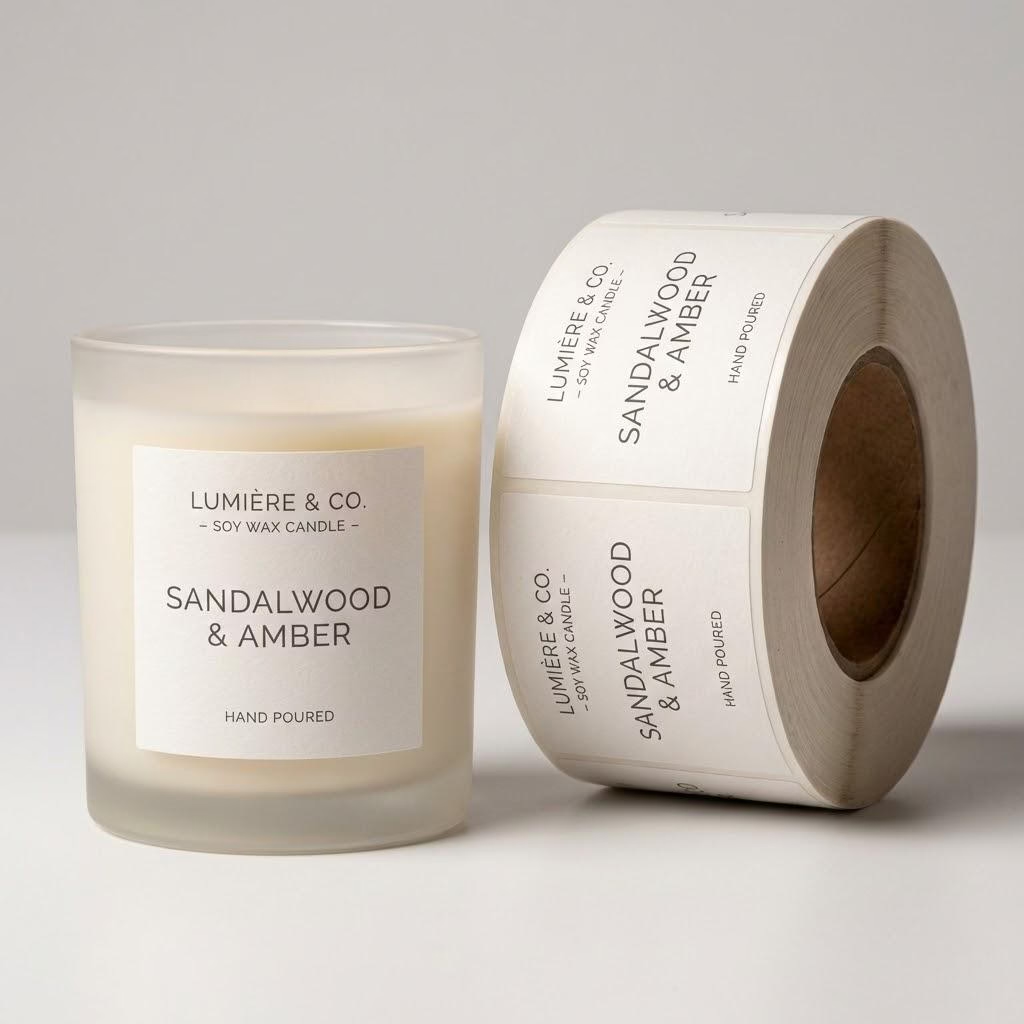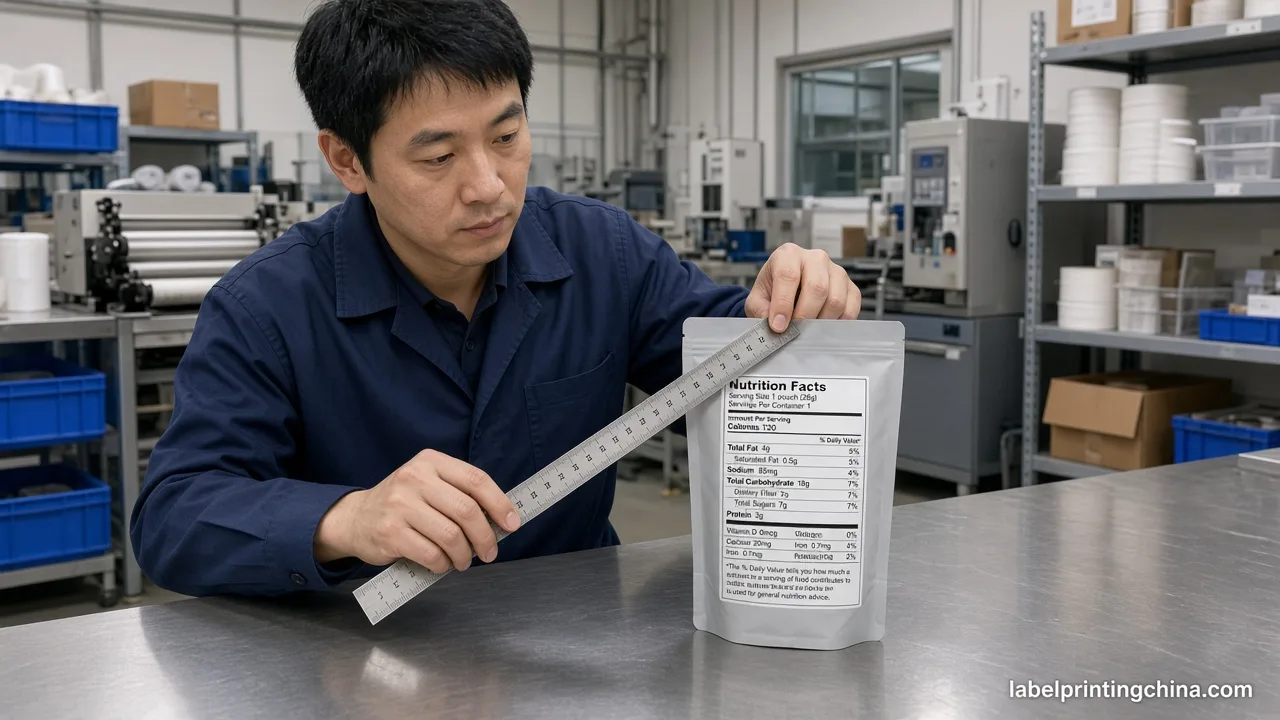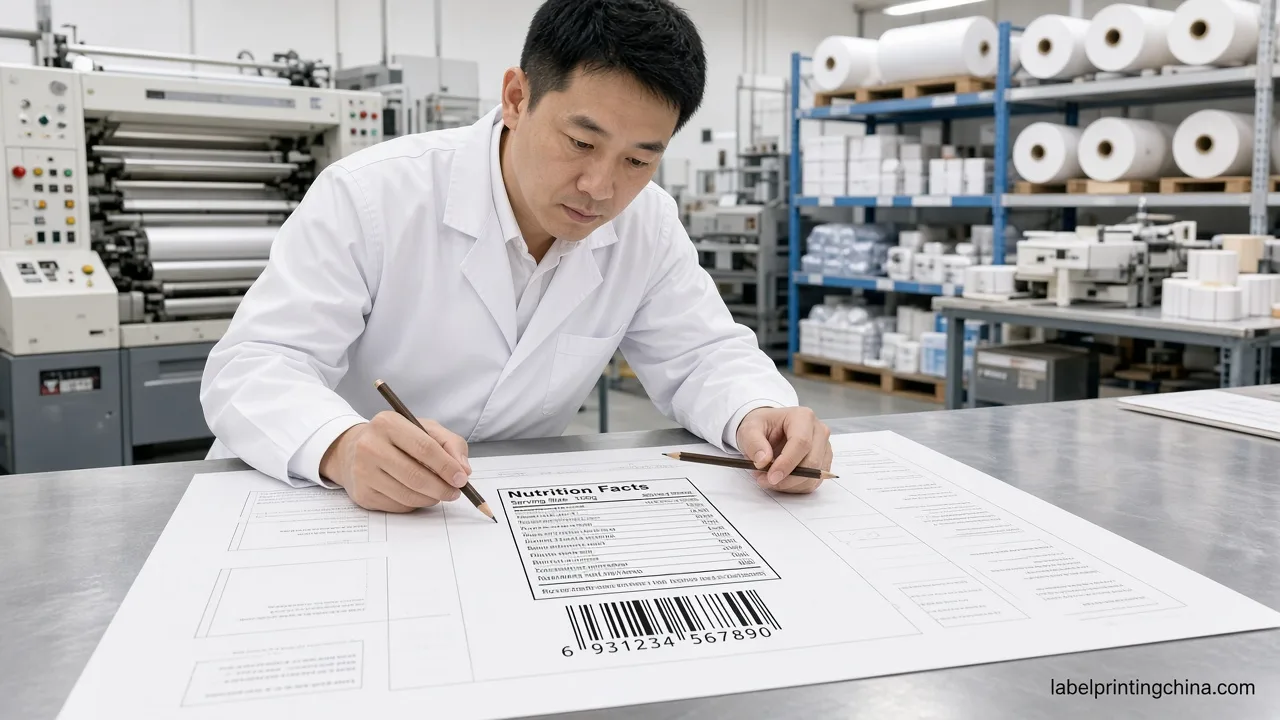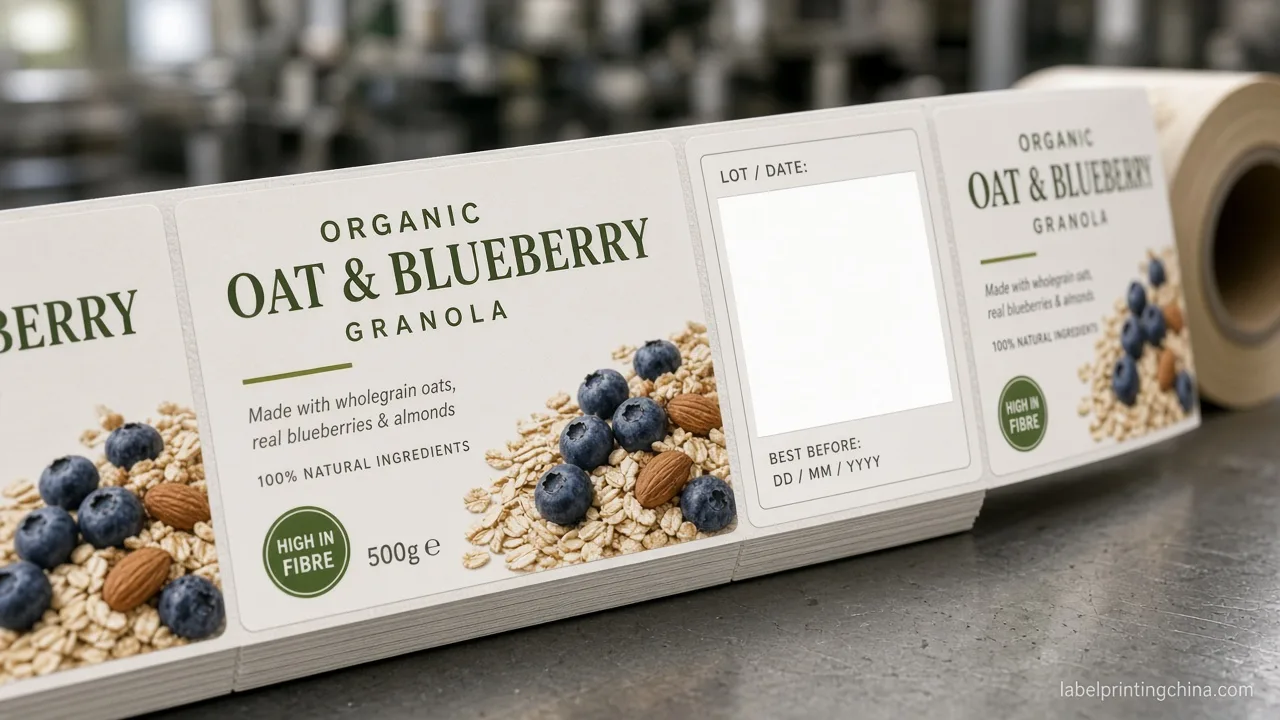
Refrigerated food labels peel when buyers least expect it—after the third door-open cycle, when condensation sheets down the jar shoulder, or when a paper face stock swells under a matte laminate. The failure shows up as edge lift, barcode quiet-zone blur, and mandatory copy that reads like a ghost on the shelf. Cold-chain storage multiplies adhesive stress — when label peeling off complaints start, our failure guide ranks six root causes by repair cost.
Waterproof food labels that stay refrigerator safe need a film face stock plus cold-cycle adhesive matched to your storage zone—route BOPP or PET for 2–8°C chill, specify peel adhesion above 20 N/25mm, and run a 72-hour condensation test before you approve mass print.
Below you will find how condensation cycles break standard adhesives, a BOPP/PET/laminated-paper comparison with peel targets, surface-prep steps for wet bottles, MOQ routing for 500-roll runs, and a pre-press checklist that shows what this means on your actual chill-case bottles.
How Condensation Cycles Break Standard Food Labels
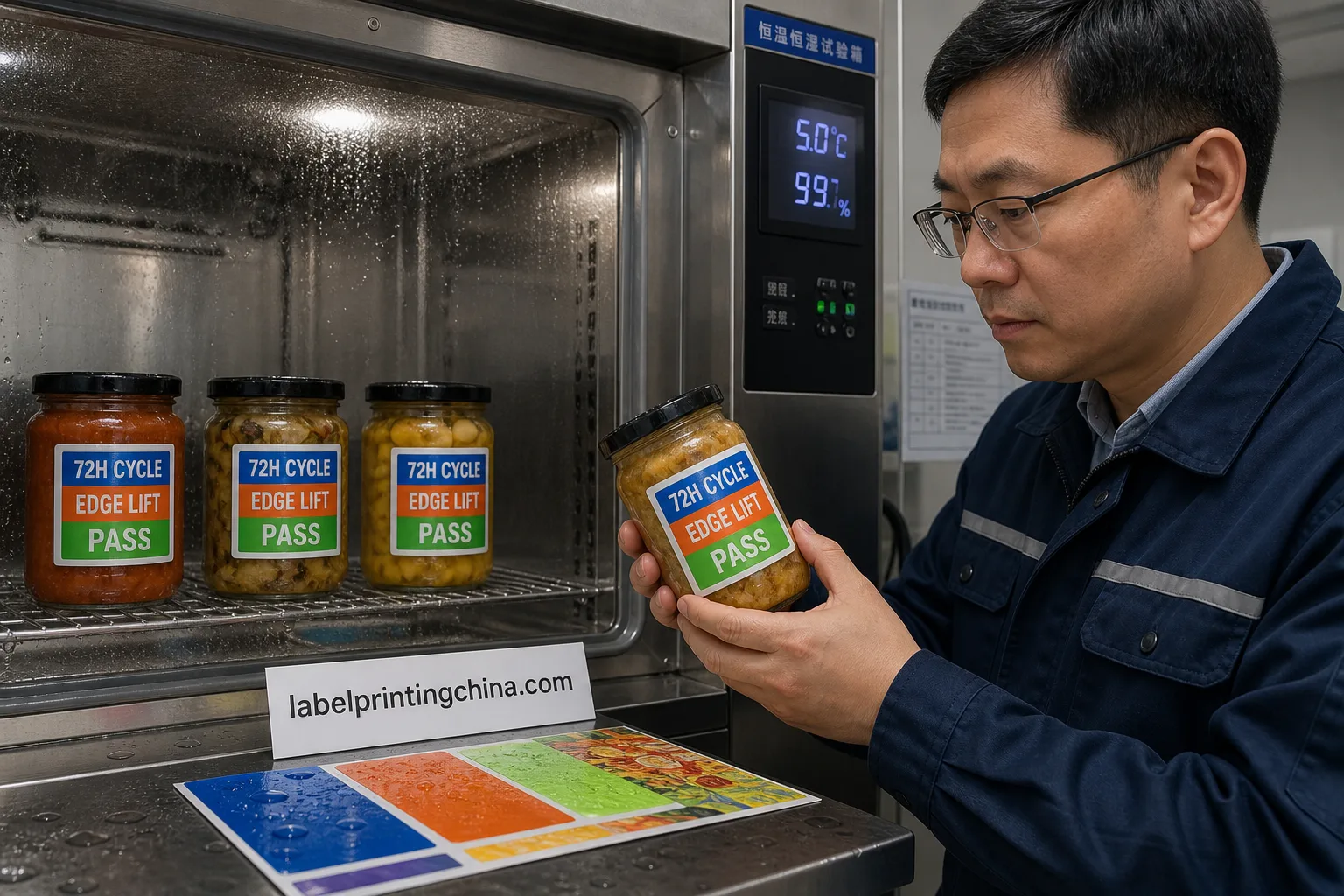
Every refrigerator door open pulls warm, humid air across a cold container. Water condenses on the glass or plastic shoulder, runs under the label edge, and re-freezes when the unit cycles back down.Standard permanent acrylic adhesives rated for room temperature lose tack when the interface stays wet longer than 30 minutes.
For chilled or refrigerated packs, specify waterproof food labels with the condensation level, storage temperature, container surface, and application method before you order samples.
Paper face stocks absorb that moisture through micro-gaps at the trim line. The fiber swells, the laminate buckles, and fine type under gloss turns illegible within one retail week. Film stocks survive longer—but only when the adhesive is formulated for sub-10°C service, not relabeled from a general-purpose SKU.
Run a simple diagnostic before you blame the converter: hold labeled samples at 4°C, open the test chamber for 60 seconds every 8 hours, and inspect edge lift at 24h, 48h, and 72h. Labels that pass a flat-room peel test still fail a fridge condensation cycle when the adhesive glass-transition temperature sits above your chill setpoint.
| Failure Signal | Likely Cause | Pass / Fail |
|---|---|---|
| Corner lift after day 3 in chill | Condensation trapped under laminate | Fail → cold-cycle adhesive |
| Ink smear on barcode zone | Paper swell + wet wipe contact | Fail → film face + overlaminate |
| Uniform edge lift on HDPE tubs | Low surface energy, wrong primer | Fail → corona or adhesive swap |
| No lift after 72h cycle test | Stack matched to chill zone | Pass → approve golden sample |
On recent deli-tub runs, labels that passed a 23°C peel check lifted within 48 hours because the fill line applied them to bottles still carrying rinse water—the fix was a 90-second air-dry station and a freezer-grade acrylic, not a heavier coat weight alone. Cold-chain runs extend to frozen retail, and our freezer food labels keep ink and adhesive intact through thaw cycles.
For a deeper look at why grocery-case humidity defeats generic BOPP, see the breakdown of fridge label failure modes and how film orientation changes moisture resistance on curved containers.
BOPP, PET, and Laminated Paper Stacks Compared
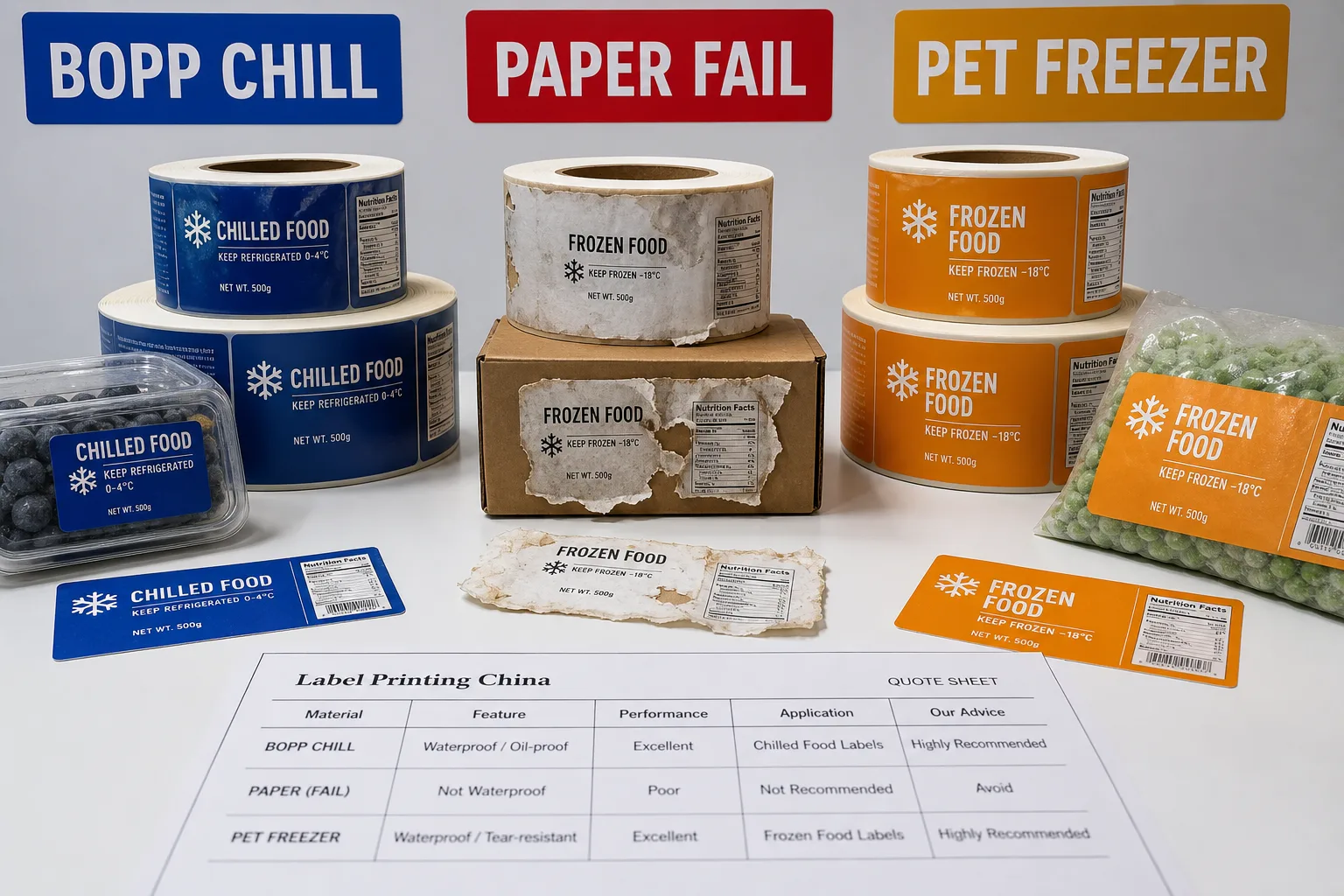
Waterproof does not mean one material fits every cold chain. BOPP offers cost-efficient moisture barrier for standard chill cases.PET adds higher stiffness and better scuff resistance on squeeze bottles. Laminated paper still appears on artisan SKUs—but only when fill temperature stays below 25°C and shelf life in chill stays under 21 days.
Match peel targets to the zone you actually store in, not the marketing claim on a supplier chart. Refrigerator-safe service at 2–8°C needs different adhesive chemistry than freezer-grade holds at −18°C to −20°C.
| Stack | Best Zone | Peel Target | Pass / Fail |
|---|---|---|---|
| White BOPP + gloss laminate | 2–8°C chill, indoor retail | 18–22 N/25mm | Pass → 72h cycle test |
| Clear PET + matte laminate | High-moisture chill, squeeze PET | 20–24 N/25mm | Pass → scuff + condense test |
| Paper + flood laminate | Short-life artisan, dry apply | 16–20 N/25mm | Fail if wet apply or >21d chill |
| BOPP + freezer-grade acrylic | −18°C to −20°C freezer | 22–26 N/25mm | Pass → −20°C edge-lift hold |
Route your RFQ with a one-line storage declaration: chill-only, blast-freeze, or ambient-to-chill mixed pallet. Converters who quote a single «all-temperature» adhesive without zone data usually spec a mid-range acrylic that fails at the first condense event.
U.S. retail packs still need identity, net quantity, and ingredient panels that survive the same moisture exposure. Cross-check mandatory copy against 21 CFR Part 101 before you shrink type to fit a clear film window—panel failures trigger a full reprint, not a spot fix.
Watch for these red flags before you approve a waterproof food label spec:
- «Refrigerator safe» on the quote with no peel-adhesion test method or temperature range cited
- BOPP named without laminate type (gloss vs matte changes condensate wipe behavior)
- Paper face stock on SKUs with blast-freeze or longer than three-week chill turns
- No golden sample hold at your actual storage setpoint before mass production release
Surface Prep for Wet and Cold Containers
Even the right film stack fails when labels land on rinse water, frost crystals, or oily release residue from demolding. oil proof food labels; semi-auto lines see it when condensate returns before the applicator head reaches the shoulder.
Dry the contact zone to visibly matte before apply. On PET bottles, a quick IPA wipe removes mold-release silicone that blocks acrylic wet-out. On glass jars, allow 90 seconds of ambient air-dry after rinse—or use low-heat air at 35°C max so you do not shock the adhesive with steam.
Specify apply temperature in your PO: most cold-cycle adhesives need bottle surface above 5°C at the moment of contact. Applying to a −5°C frosted jar and hoping the adhesive «catches up» in the case is a common source of weekend rework.
- Wipe contact band with lint-free cloth; remove visible water beads
- Confirm surface temp ≥5°C at apply station (IR gun log on first shift)
- Press label from center outward with 2–3 seconds firm contact
- Hold sample 24h at storage temp before approving shift run
- Re-test one unit at 72h if your SKU sees more than four door opens per day
Based on 18 years of technical expertise exporting food labels from China, Label Printing China holds golden samples through a 72-hour chill cycle before any 500-roll release—skipping that hold is the fastest path to a mid-season reprint when condensate behavior differs between winter and summer case humidity.
When you scale from hand apply to roll-fed lines, pair your material choice with the right unwind and core spec on custom food labels built for chill-case SKUs—machine-ready rolls at 76 mm (3″) core reduce registration drift on wet-shoulder bottles.
Validate your stack before you commit
Send your container photos with storage temperature data and receive printed samples on BOPP or PET face stock—run the 72-hour condensation test on your actual fill line.
MOQ Routing and Quote Checks for Chill-Case Brands
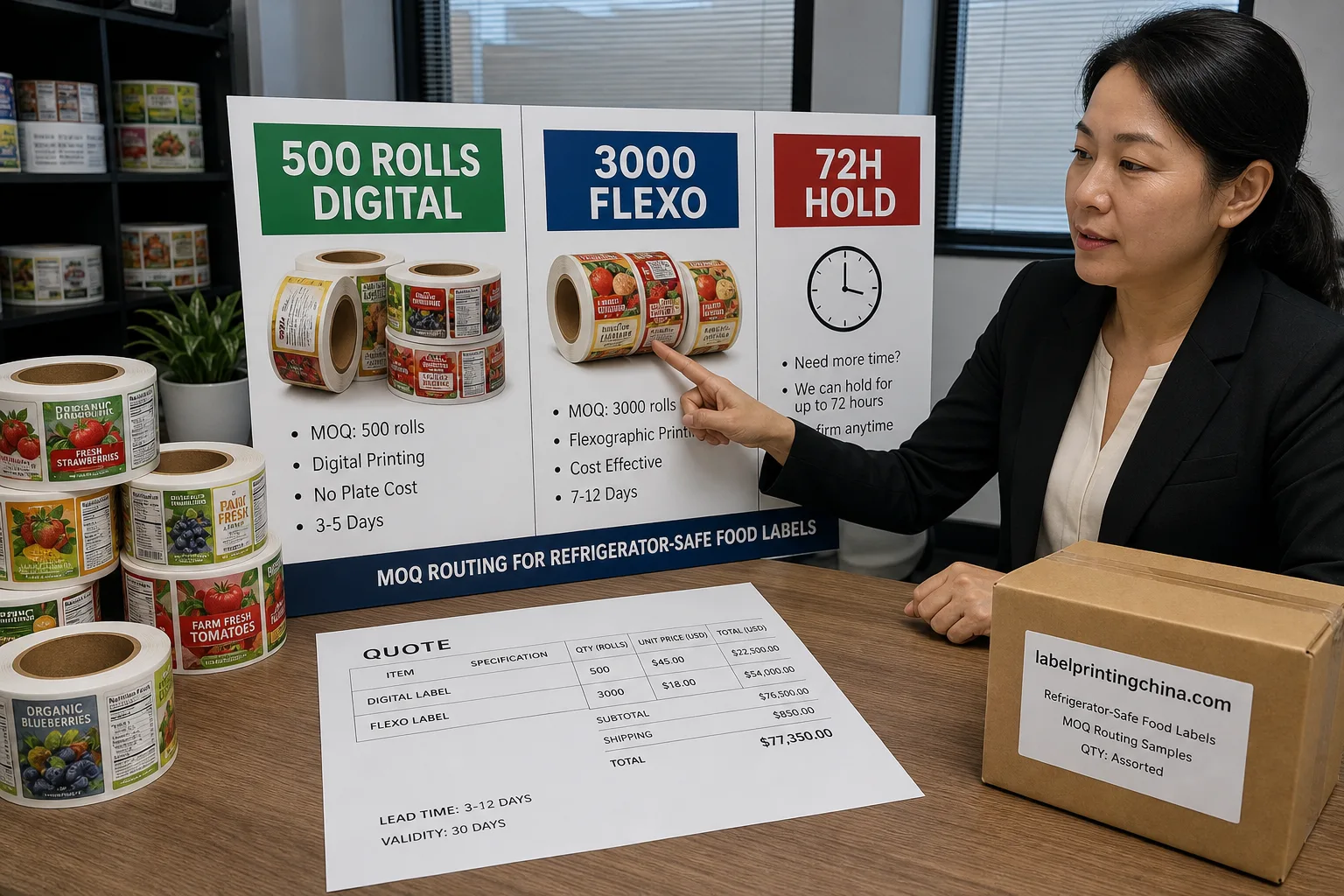
Runs between 500 and 3,000 rolls sit where setup amortization hurts most. A quote that looks 8% cheaper per thousand often hides plate reuse rules that block a mid-season adhesive swap when you add a freezer SKU.
Ask for landed pricing that separates ex-works label cost, die ownership, and air freight for harvest or holiday windows. Request explicit peel-adhesion test reports with N/25mm method noted—not a marketing PDF that says «excellent adhesion.»
| Run Size | Recommended Route | Setup Note | Pass / Fail |
|---|---|---|---|
| 500–1,000 rolls | Digital + cold-cycle BOPP | No plate; higher unit cost OK | Pass → 72h sample hold |
| 1,000–3,000 rolls | Flexo short run | Shared die saves $80–$150 | Pass if adhesive locked in PO |
| 3,000+ rolls | Flexo + dedicated freezer adhesive | Lowest unit; plan 3-week lead | Pass → golden sample archive |
Before you sign, confirm the converter documents adhesive SKU on the golden sample bag and ties it to your PO revision. Chill-case packs also benefit from aligning storage guidance with CDC food safety basics so date codes and handling panels stay credible after laminate scuff in retail cases.
Buyer Takeaway
For refrigerated food packs, 'waterproof' is not enough. The right label must keep adhesion, legibility and edge integrity through condensation cycles on the actual container surface.
Cold-Storage Label Selection Matrix
Use this brief with the RFQ, sample approval and production release. It turns the material discussion above into a comparable buyer decision.
| Chill-case condition | What to specify | Release evidence |
|---|---|---|
| Condensation cycle | Temperature change, dwell time and expected moisture | Applied sample inspected after the agreed cycle |
| Container surface | Material, texture, curve and cleanliness | No lifting, wrinkling or edge failure |
| Label construction | Film/paper, adhesive, laminate and finish | Construction named on the approved sample |
| Line readiness | Application timing and handling conditions | Repeatable application result |
Refrigerator-Safe Sample Checklist
- Test on the filled or representative cold container, not just a room-temperature panel.
- Define the moisture and temperature cycle before calling a label refrigerator-safe.
- Keep the approved construction and post-test photos with the reorder specification.
Refrigerator-Safe and Waterproof Food Labels
Are BOPP labels waterproof enough for refrigerators?
BOPP face film resists water when paired with a gloss or matte overlaminate and a cold-cycle adhesive. Standard room-temperature BOPP labels without zone-matched adhesive still lift under condensate. Specify peel adhesion above 20 N/25mm and run a 72-hour chill-cycle test on your bottle—not a flat glass panel.
Can paper labels work on refrigerated food packaging?
Paper with full flood laminate can work for short chill turns under 21 days when you apply to a dry surface above 5°C. Blast-freeze, wet apply, or condensate-heavy SKUs need film face stock. Treat paper as a fail in any spec that sees daily door-open cycles without a verified hold test.
How do I test if a label is refrigerator safe?
Label three production bottles, store at your actual chill setpoint, open the unit for 60 seconds every 8 hours, and inspect at 24h, 48h, and 72h. Pass means no edge lift, readable barcode quiet zone, and no ink smear after a dry wipe. Fail any one criterion and swap adhesive or face stock before mass print.
What is the MOQ for waterproof food labels from a factory?
Factory-direct MOQ for roll labels on chill-case SKUs typically starts at 500 rolls with digital or short-run flexo routing. Below that, sheet labels or split MOQ with another SKU may cost less per unit than forcing a full flexo setup on 200 rolls.