
Custom Frozen Food Labels That Stay Put Through Real Cold Chains
For frozen seafood bags, ice cream tubs, vegetable pouches, ready-meal trays and outer cases. We match the label build to your package surface, application temperature and freezer handling—not a generic “waterproof” claim.
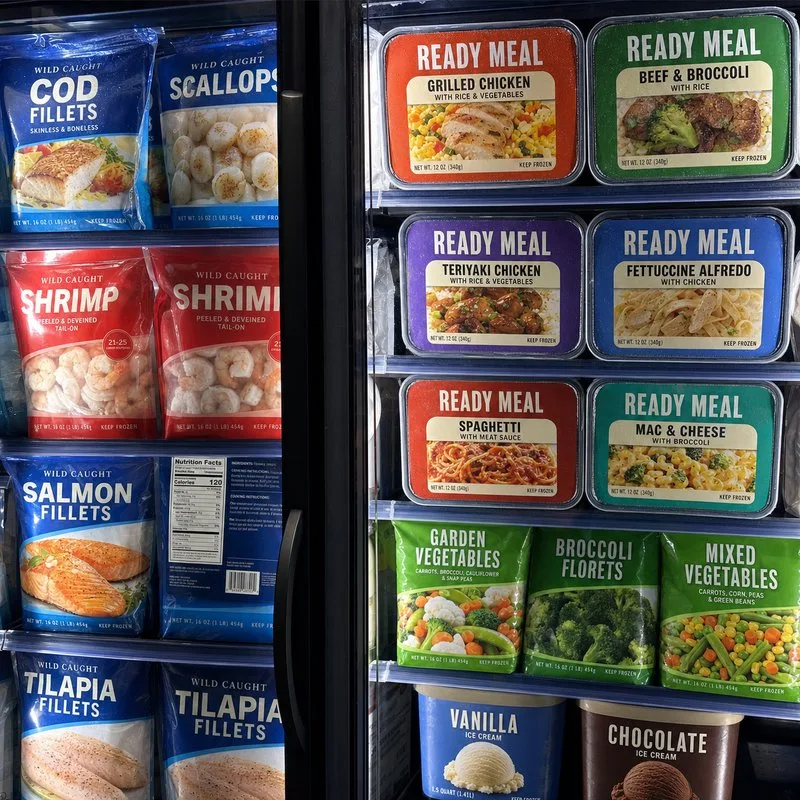 Freezer Display
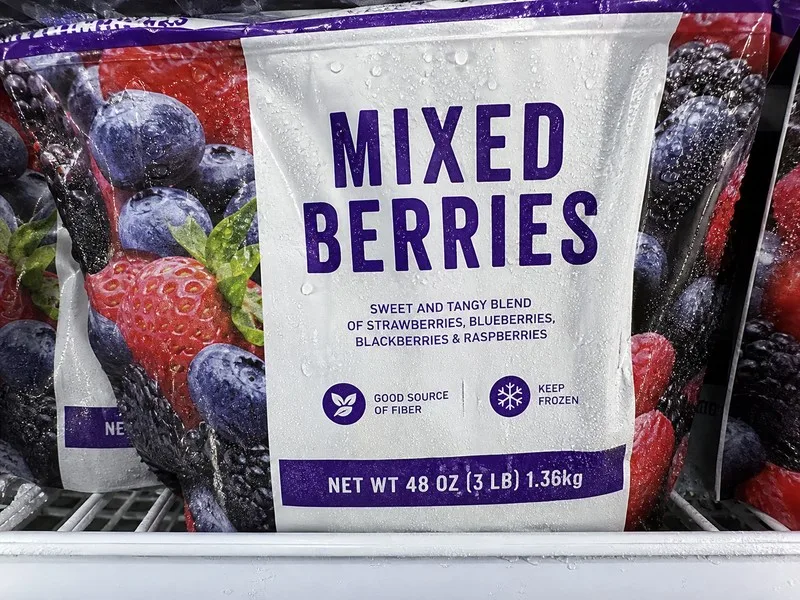 Condensation Test
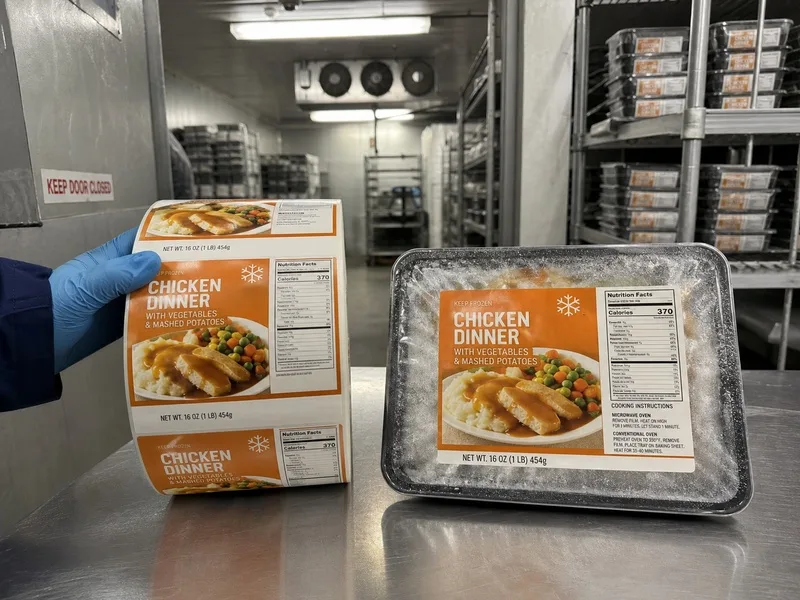 Cold-Chain Rolls
Find Your Frozen Food Packaging Here
Start with the package in your hand. These are the food formats, surfaces and label positions that a cold-chain project usually has to solve. Freezer labels, cold-temp adhesives, and frozen food labeling for retail, club, and food-service packs all start from this survey.
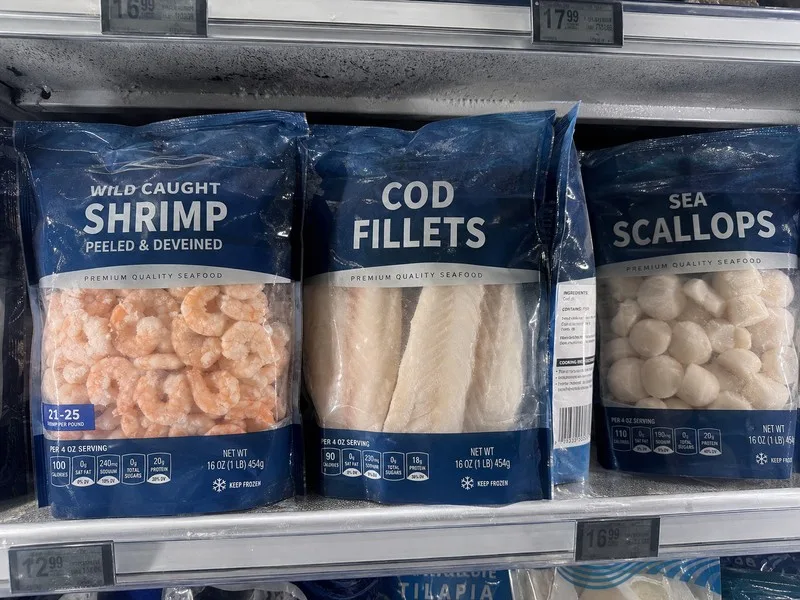
Frozen Seafood Bags & Trays
Vacuum film, skin packs and trays where cold surfaces and condensation can affect first contact.
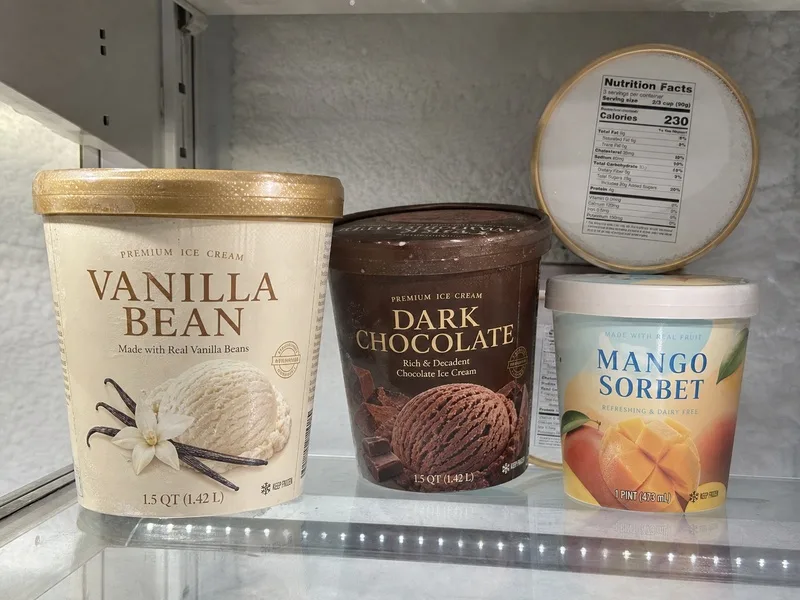
Ice Cream & Frozen Desserts
Tubs, cups and curved containers that need clear brand presentation through freezer-door handling — see freezer food container labels for the lid-and-body cycle.
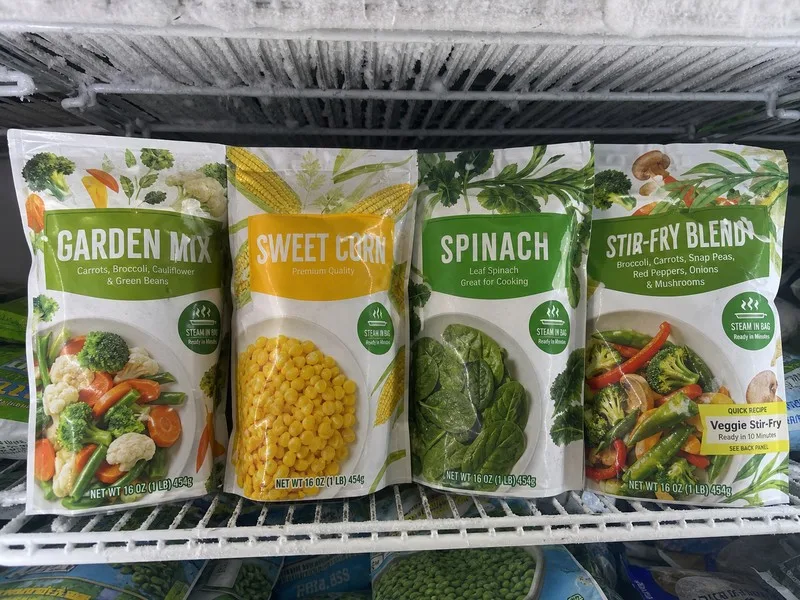
Vegetable & Fruit Pouches
Flexible PE and laminated pouches where the label needs to move with the pack rather than flag at folds.
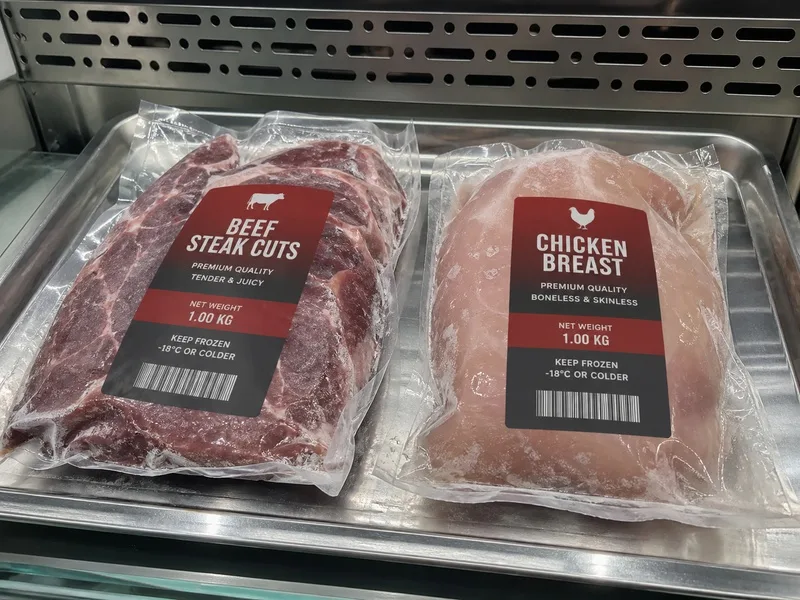
Meat & Poultry Packs
Vacuum packs, shrink film and chilled-to-frozen packs that may need product and traceability information together.
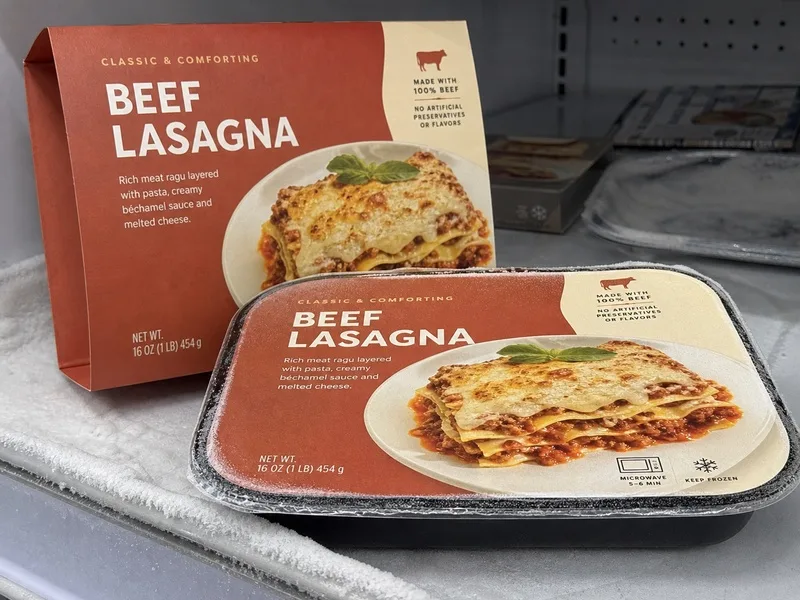
Frozen Ready-Meal Trays
PP trays and film lids that combine retail presentation, cooking information and freezer storage.
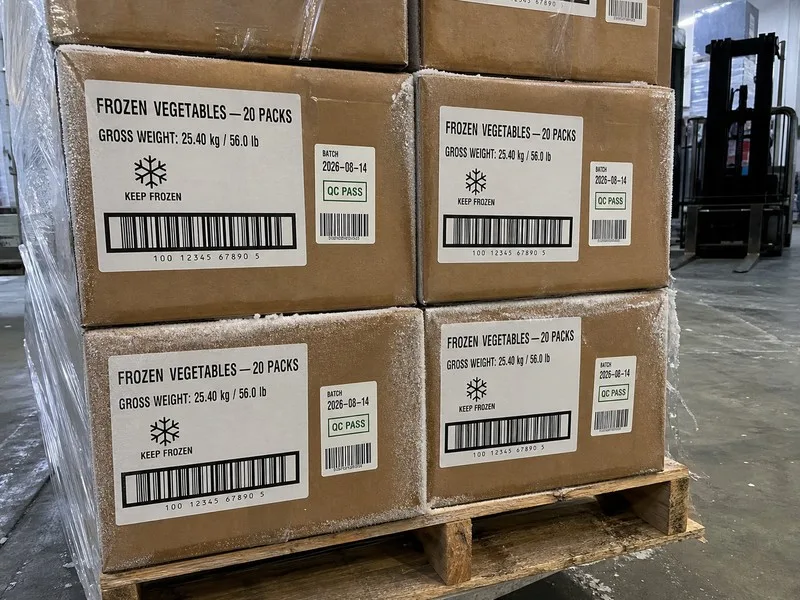
Bulk Cases & Outer Cartons
Outer cases and logistics packs that must stay readable through warehouse handling and freezer storage.
Not the exact pack shown above? Send a photo of the package, where the label goes, and when it is applied. We will confirm the closest starting route.
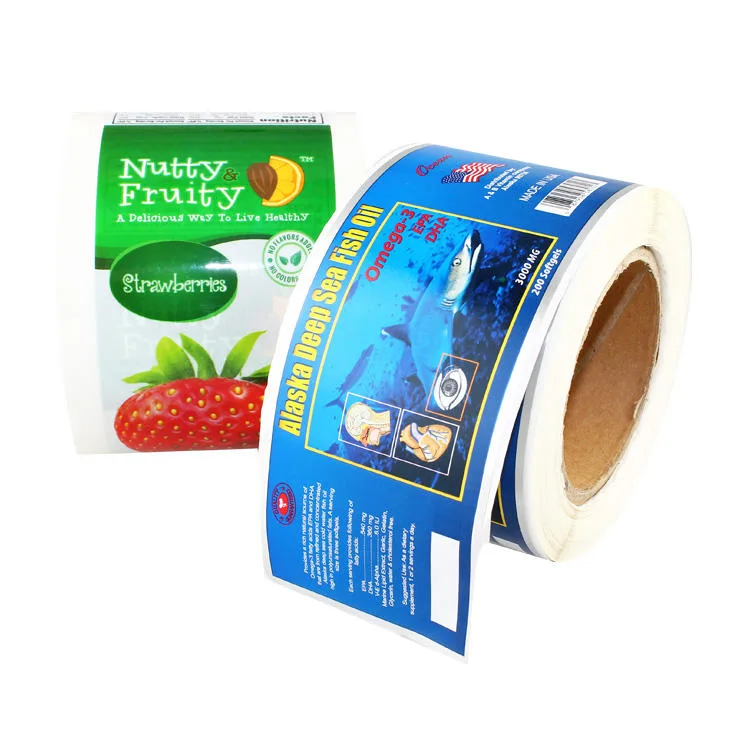
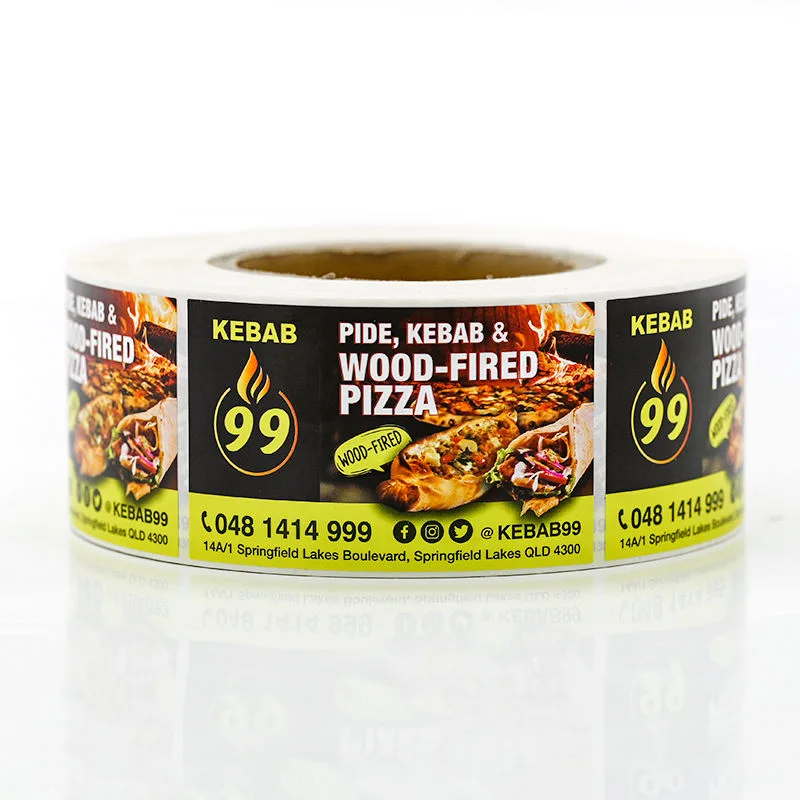
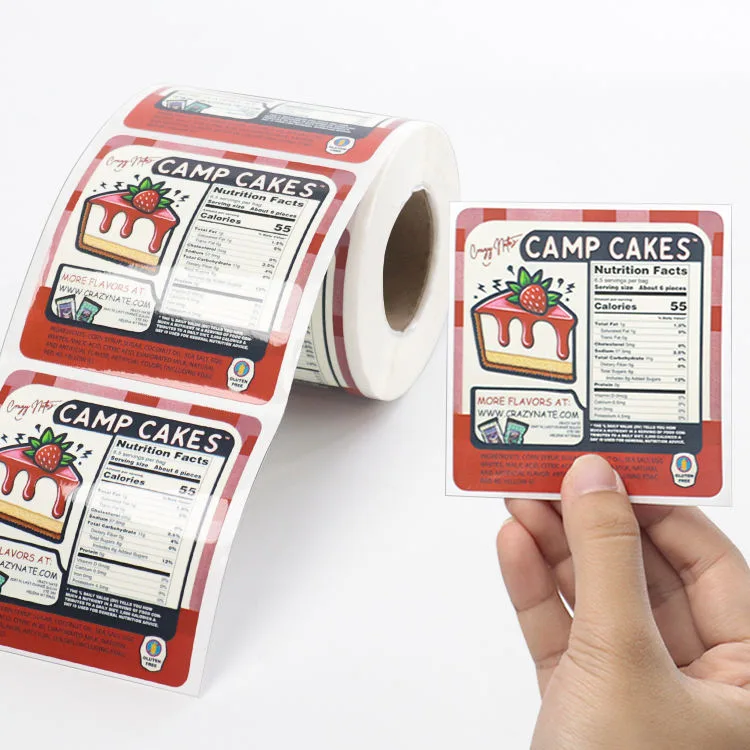
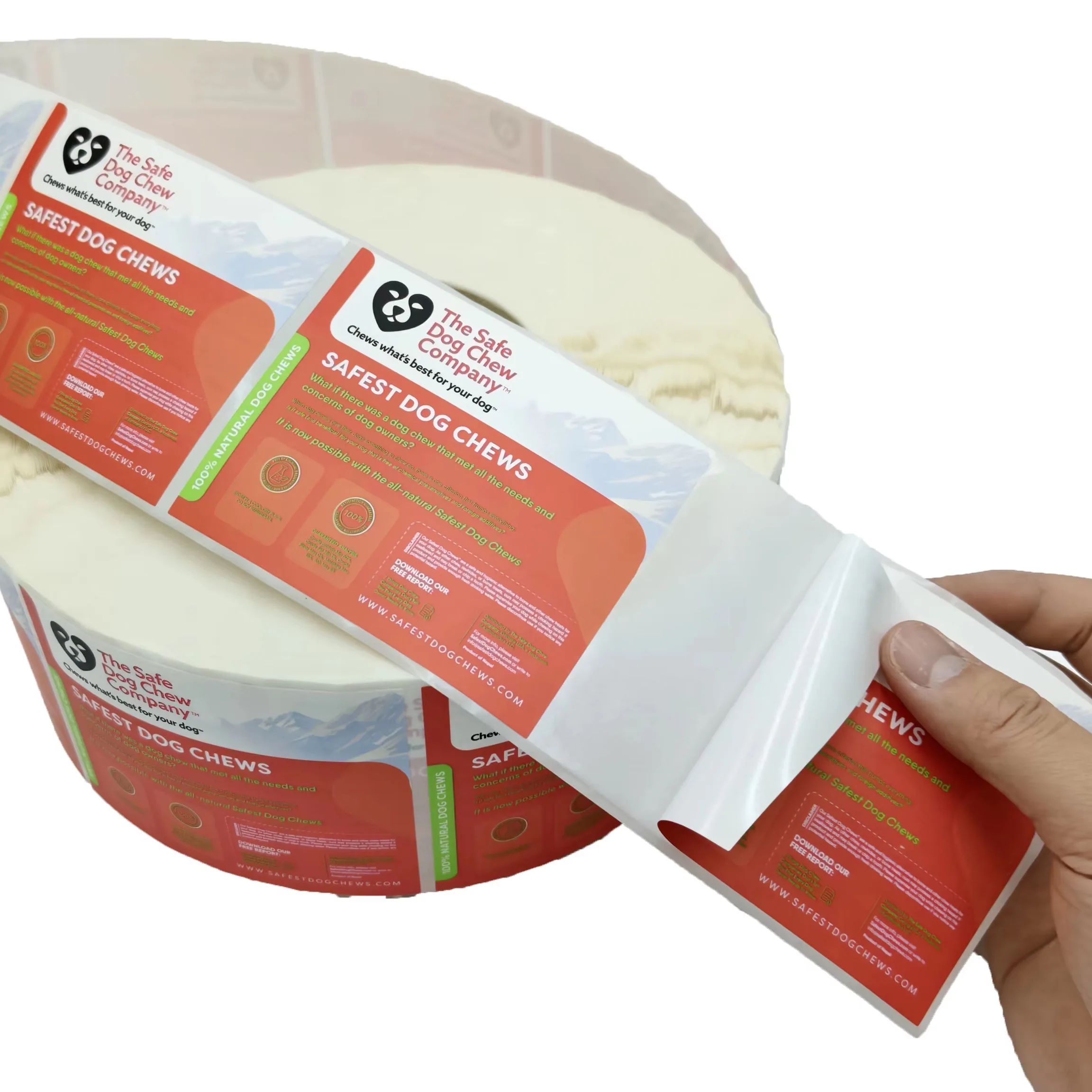
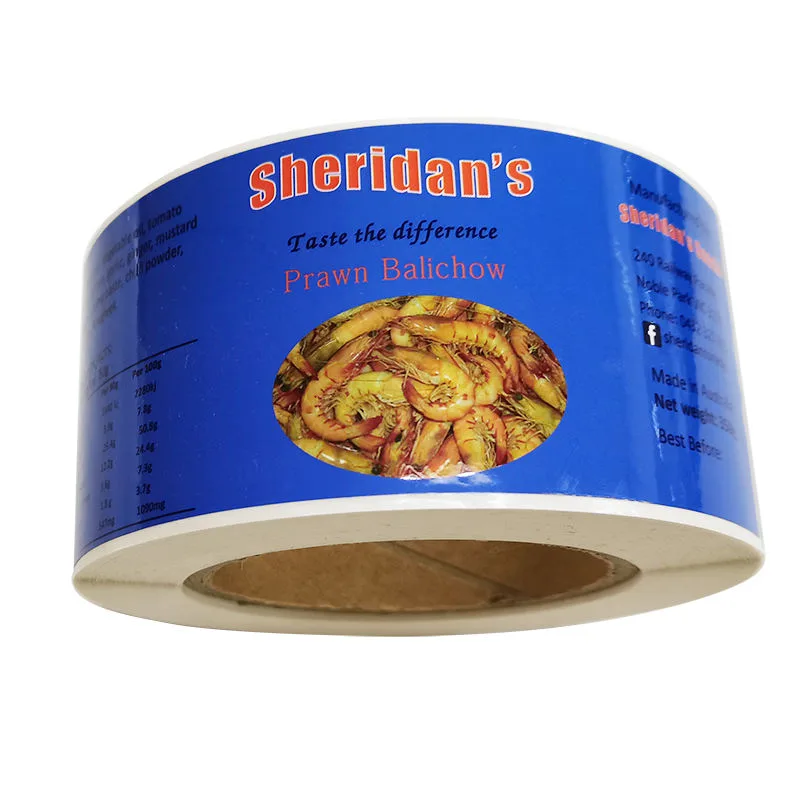
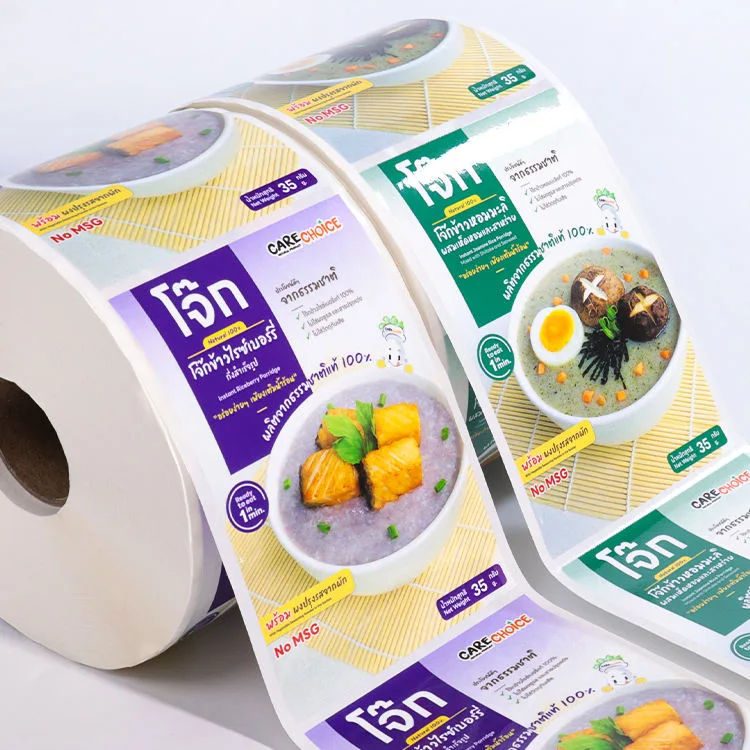
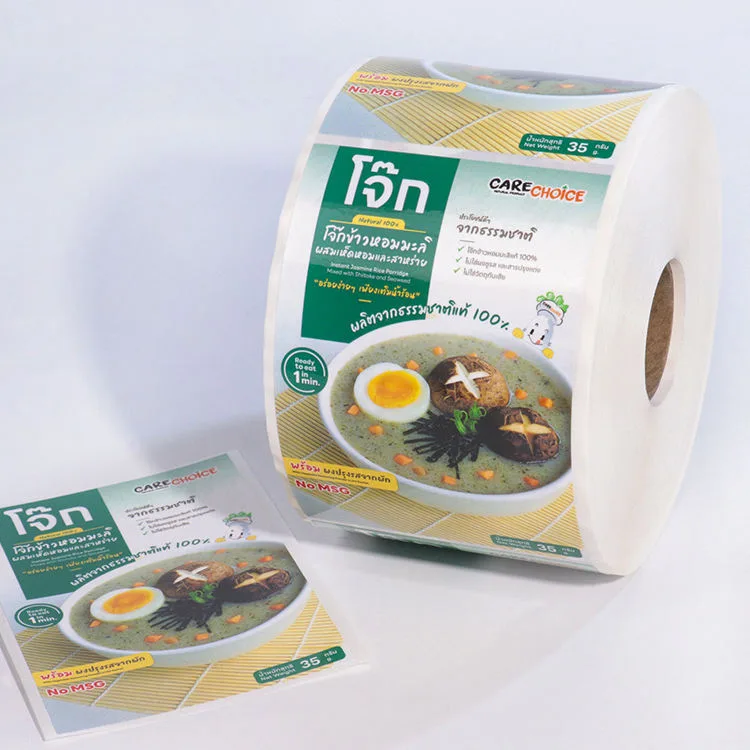
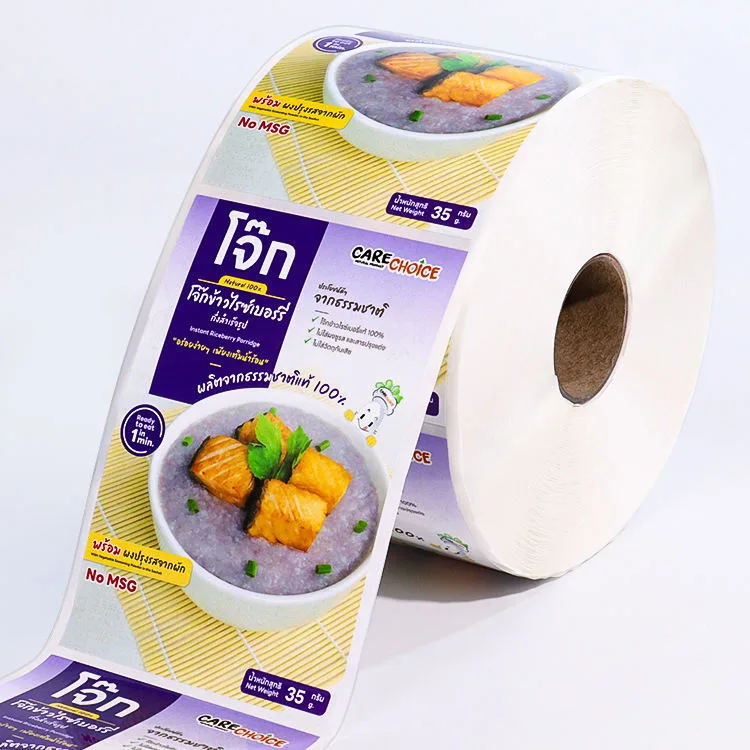
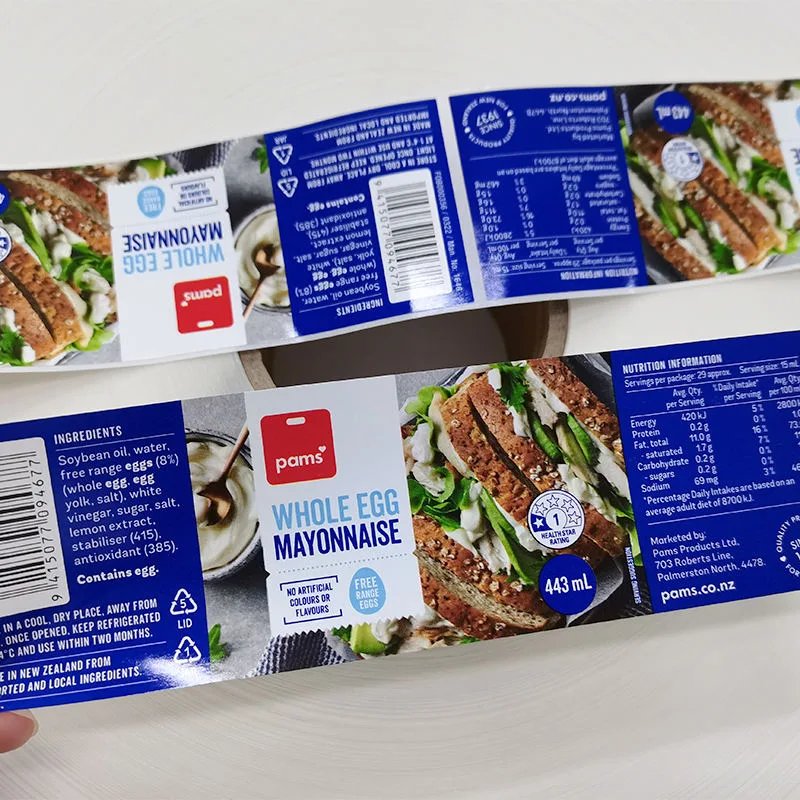
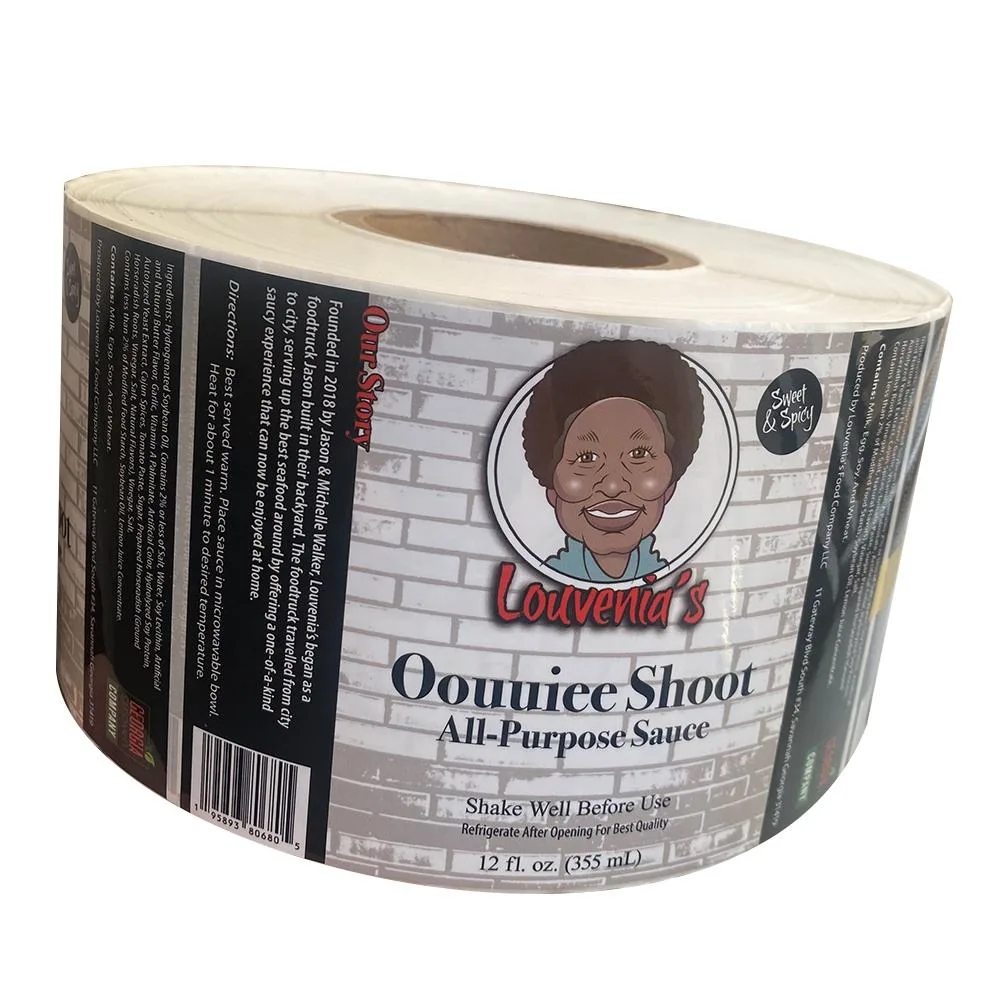
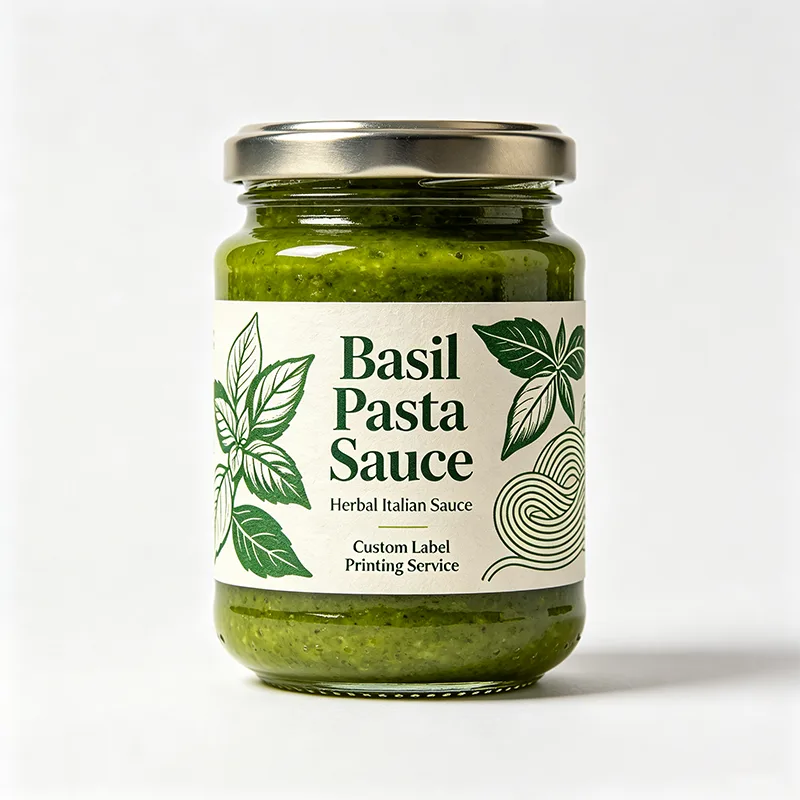
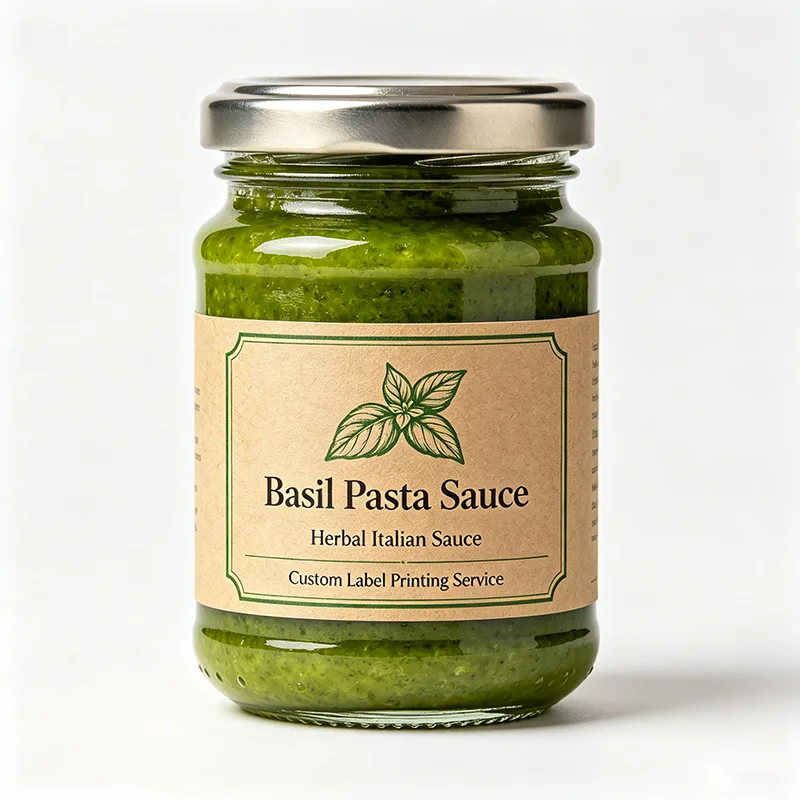
Your Label Has to Work at This Exact Moment
A label applied before freezing, on a chilled pack, or directly onto a frozen surface is not the same job. These three project facts guide every material and adhesive decision that follows.
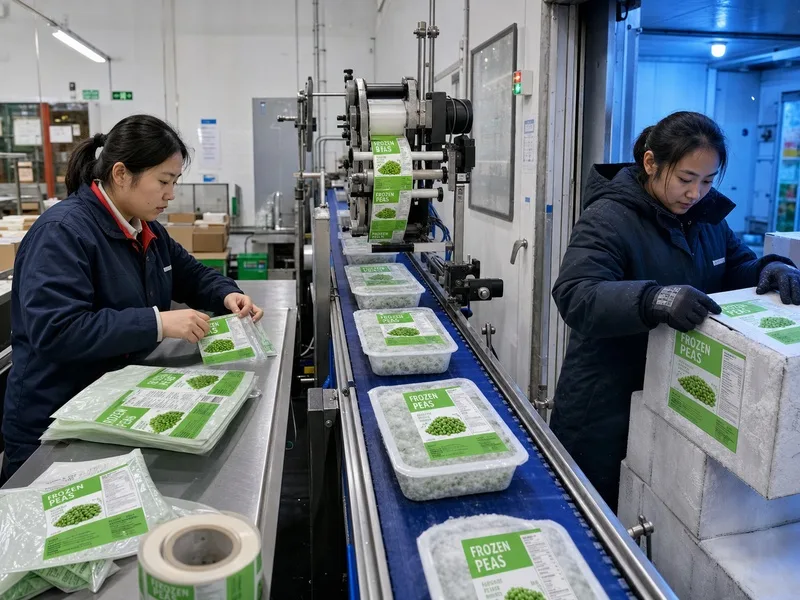
When Is the Label Applied?
Before freezing, on a chilled package, or onto a product already at freezer temperature. This distinguishes ordinary cold storage from direct cold-surface bonding.
Application temperatureLine conditionWhat Surface Receives the Label?
A flexible PE pouch, PP tray, HDPE tub, vacuum film, waxed carton and glass container each need different conformability and initial tack.
Surface energyCurves & foldsWhat Happens After Application?
Freezer storage, condensation during distribution, repeated handling and retail presentation determine the film, adhesive and finishing requirements.
Storage rangeFreeze-thaw cycleChoose Materials That Behave Like Your Package
The material is selected for what your package does in the cold: stay rigid, flex, curve, collect moisture or need a premium clear finish.
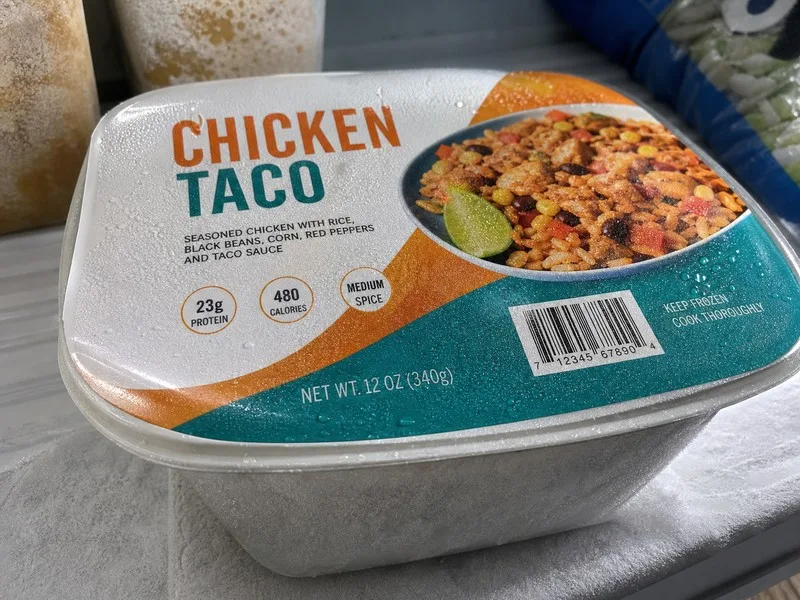
White BOPP
Waterproof, oil-resistant film for clear printed graphics and general freezer packaging.
For trays, tubs & standard freezer packs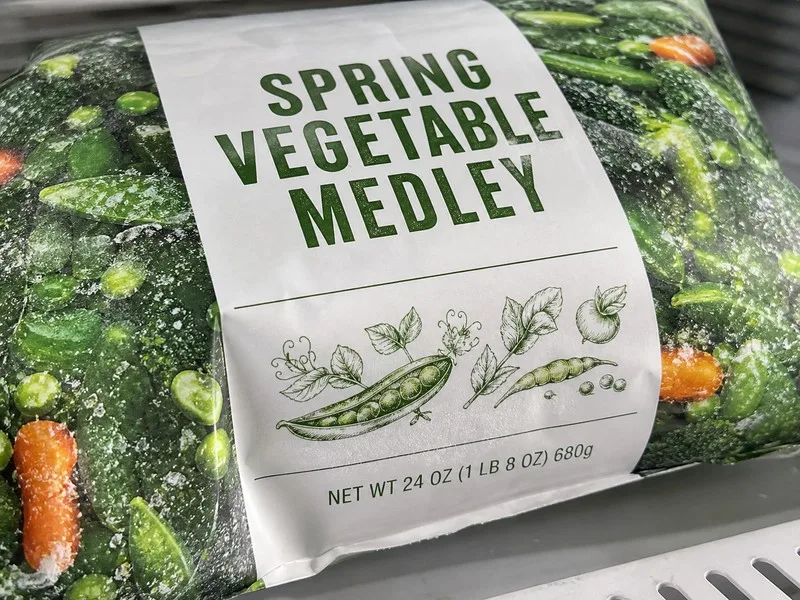
PE Film
Flexible material that moves with pouches and irregular packs instead of resisting the surface.
For flexible pouches & soft packs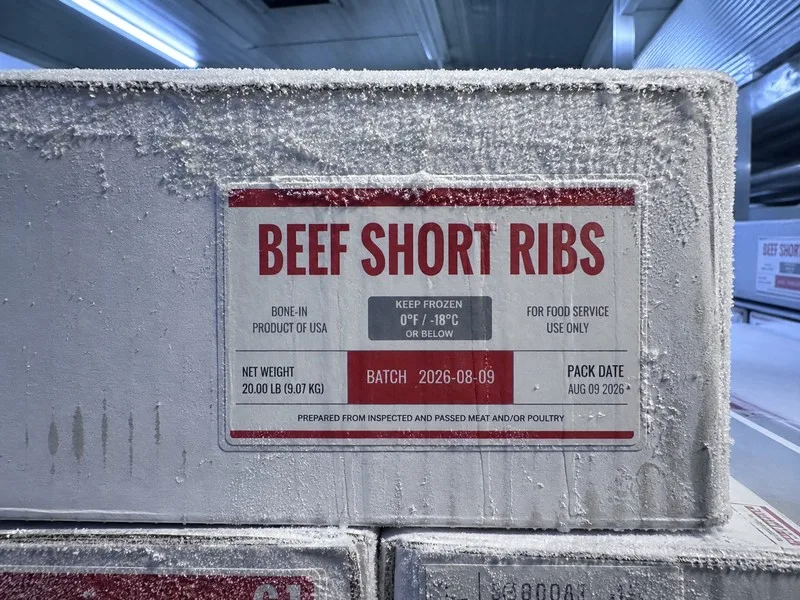
Vinyl
Durable option for demanding low-temperature use where robust face-stock behaviour matters.
For deep-freeze & demanding surfaces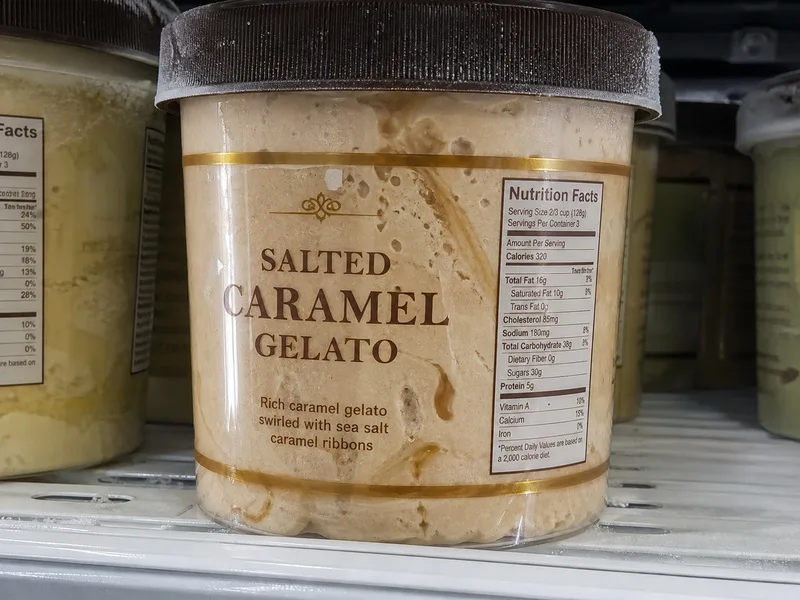
PET Film
High-clarity, stable film for premium presentation and a wide service-temperature envelope.
For premium tubs & long-term storageChoose the Format Your Team Actually Uses
After surface and temperature are clear, the project becomes a practical label build: face-stock, adhesive, print protection and the format your team or applicator uses. Roll formats suit applicator lines; sheet runs fit pilot batches — how we build custom freezer labels for food producers, from freezer food labels for meal SKUs to bulk case coding.
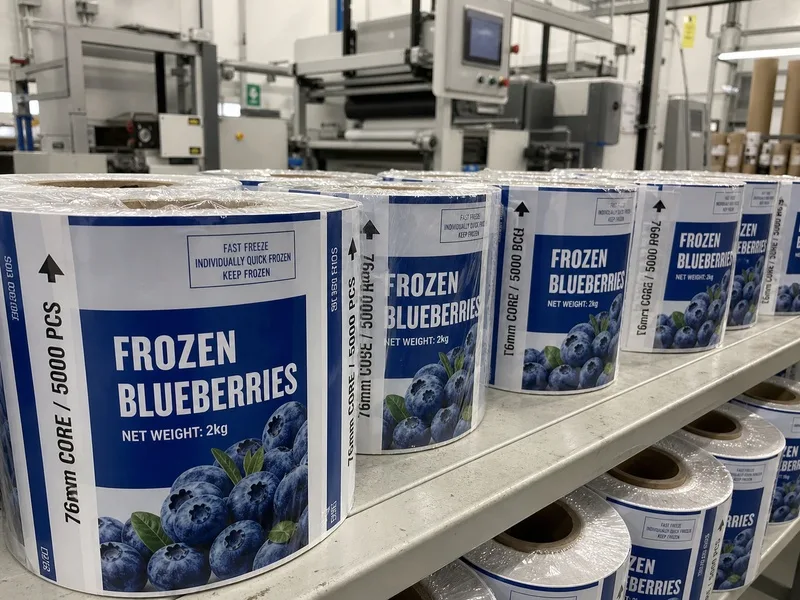
Roll Labels for Applicator Lines
For repeatable placement on automatic lines. Core, roll direction, label gap and outer diameter are confirmed against your equipment.
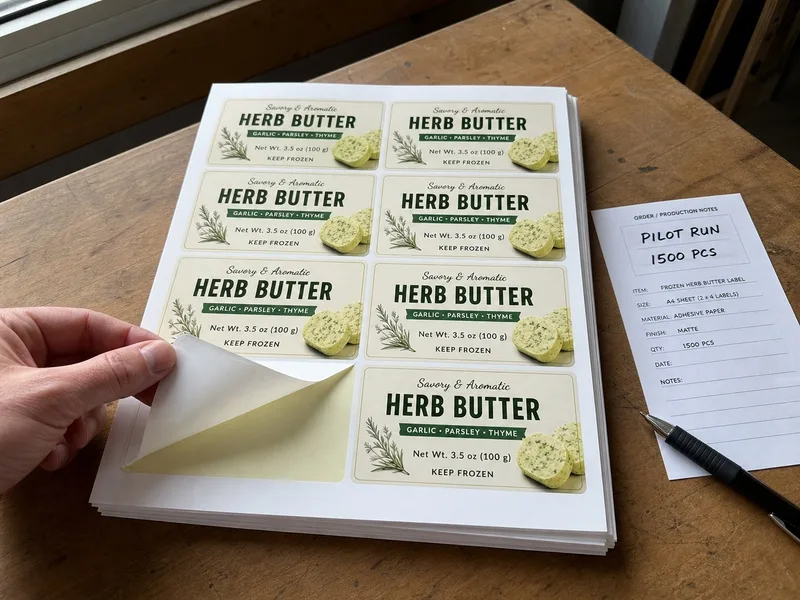
Sheet Labels for Short Runs
For hand application, pilot launches and SKU trials where an applicator setup is not part of the immediate project.
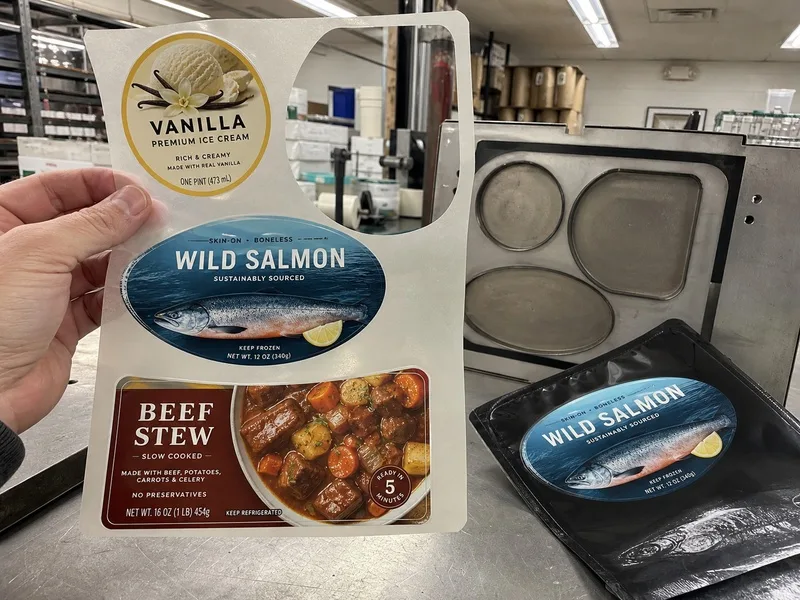
Die-Cut Retail Shapes
For pouches, tubs, trays and multi-panel packs where the label shape contributes to shelf recognition or fits a defined panel.
See How a Frozen Label Build Comes Together
These are practical starting routes, shown on real packaging formats. They make the final choice visible before we confirm the exact surface temperature and application process.
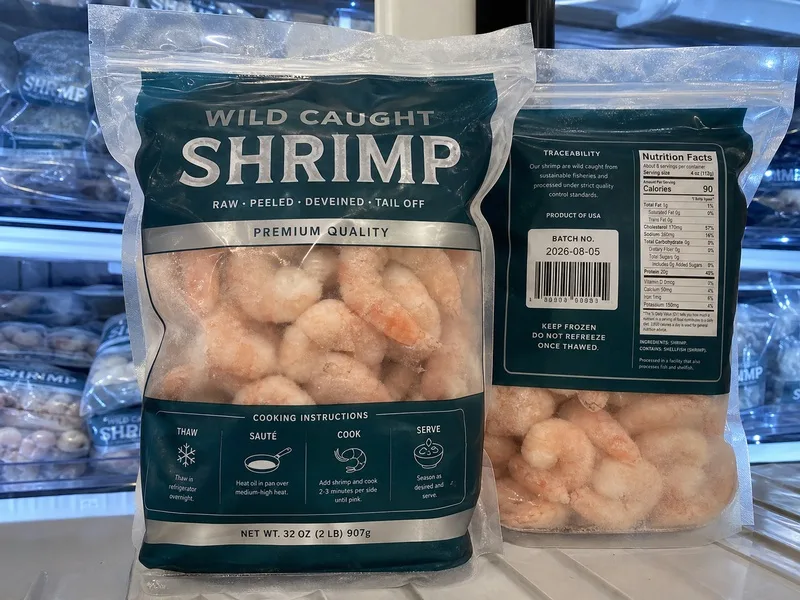
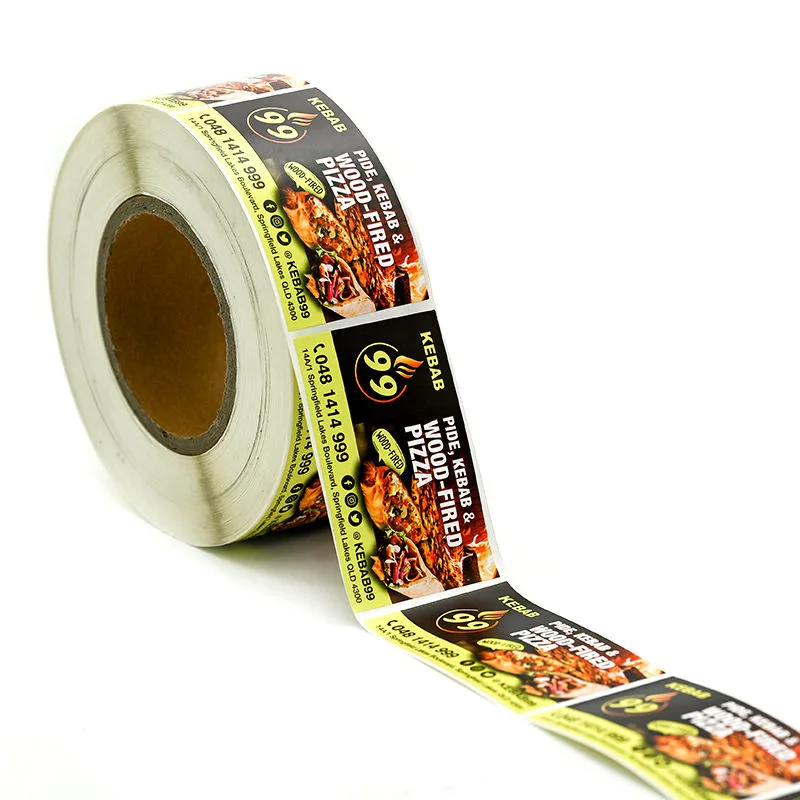
Seafood Vacuum Bag
A flexible front label route designed around smooth vacuum film, visible product windows and freezer handling.
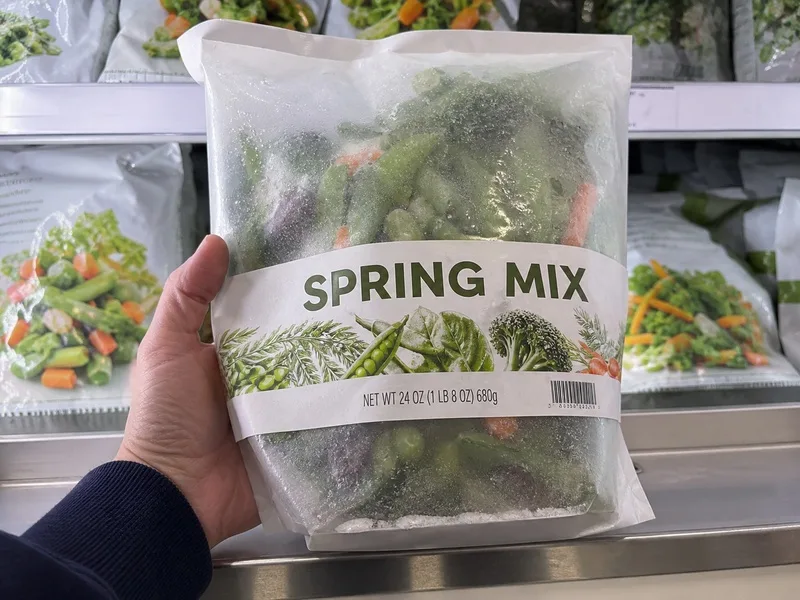
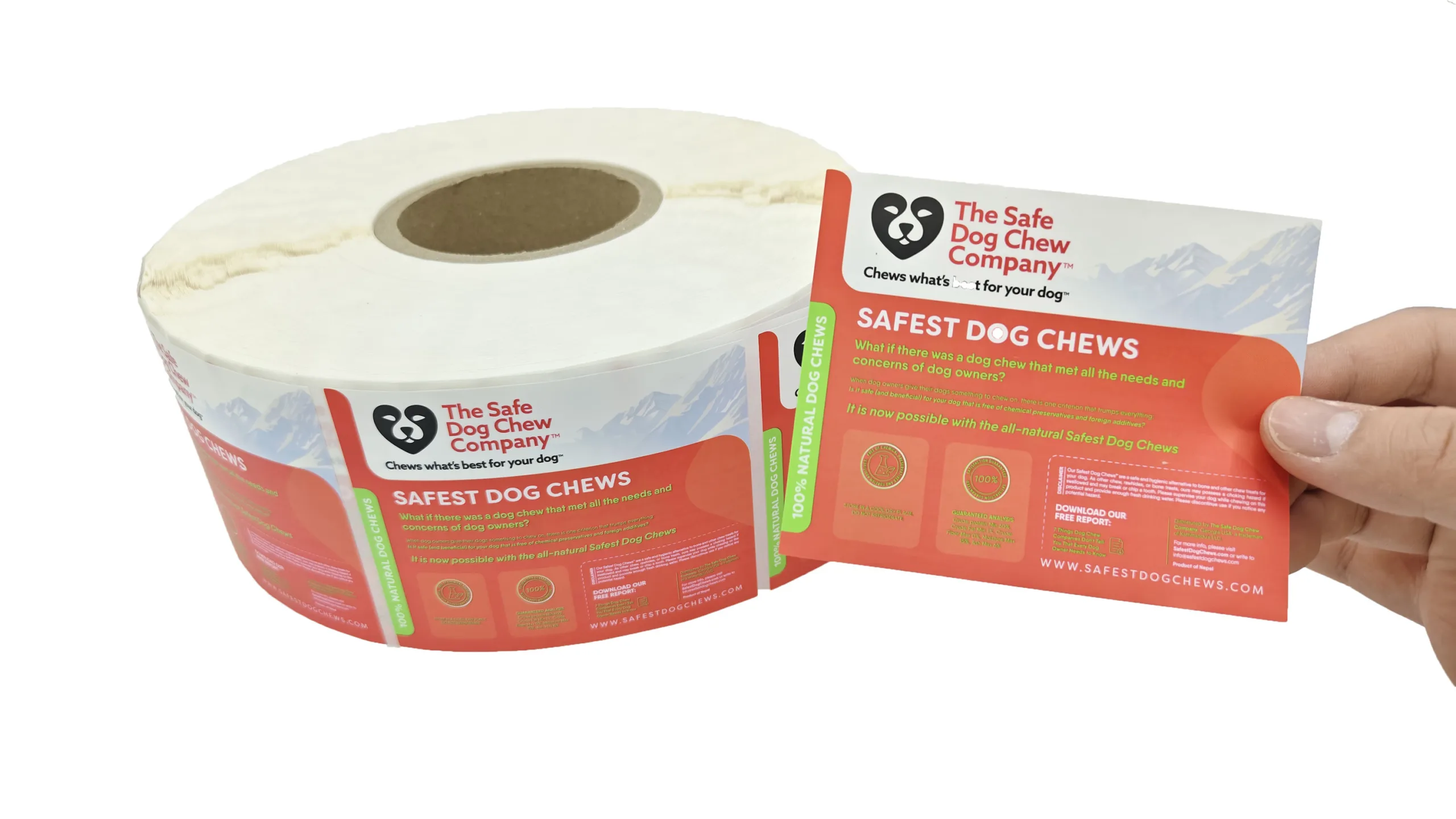
Frozen Vegetable Pouch
A flexible label route that follows pouch movement and protects the brand panel through cold storage and handling.
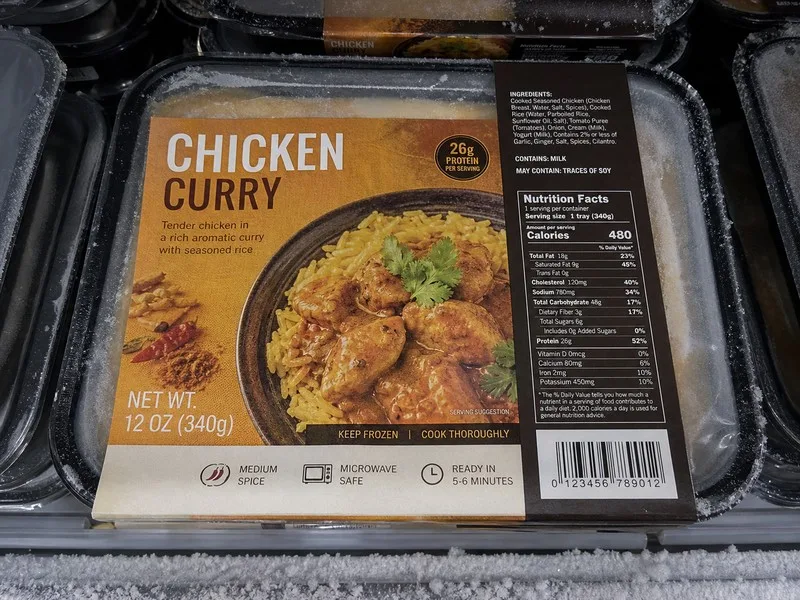
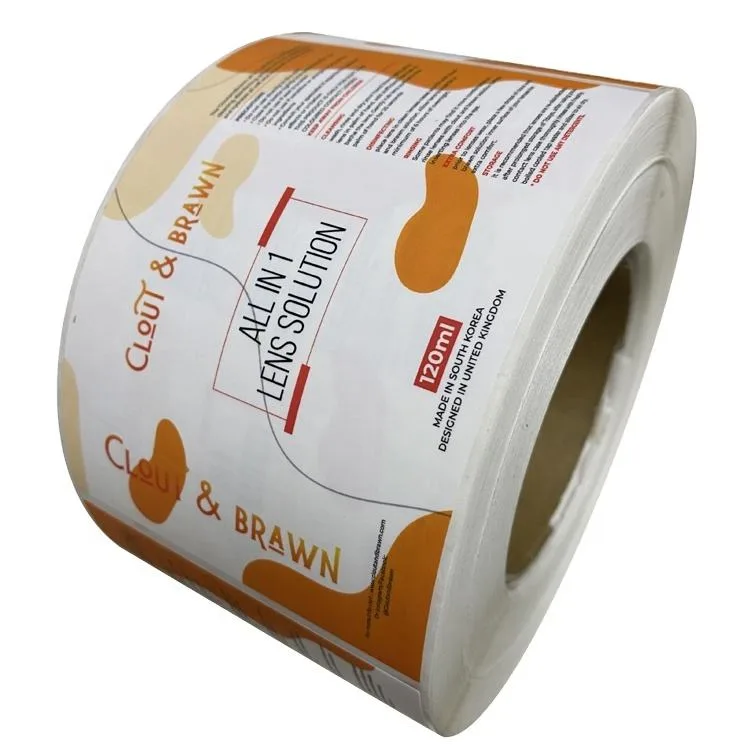
Frozen Ready-Meal Tray
A retail presentation route for PP trays and sealed lids where brand impact and legible product information share the pack.
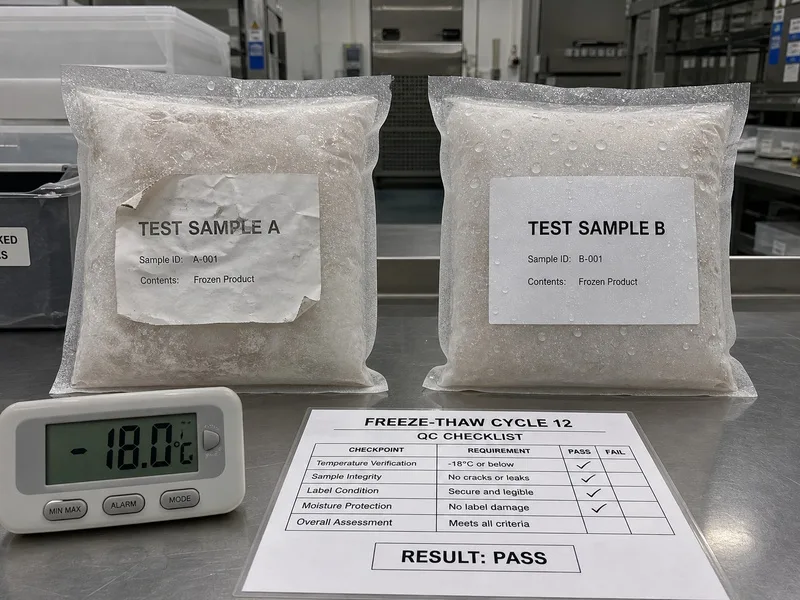
From Freezer to Condensation, the Label Still Has to Hold
The real risk is the sequence: cold application, long freezer storage, moisture when the pack leaves the freezer, then handling again. The label build is selected to address that sequence. Labels for freezing food are tested against exactly that sequence before bulk production.
Initial cold bonding. Adhesive route is matched to the package surface temperature at the moment of application.
Moisture resistance. BOPP and PE films avoid the moisture absorption that makes paper expand and distort.
Readable frozen-pack information. Face-stock and finishing are selected so product, handling and traceability information remain usable.
Four Controls That Keep a Frozen Label Build Consistent
Once the material and format are approved, the production record holds the details that make the next roll, next SKU and repeat order match the build you signed off.
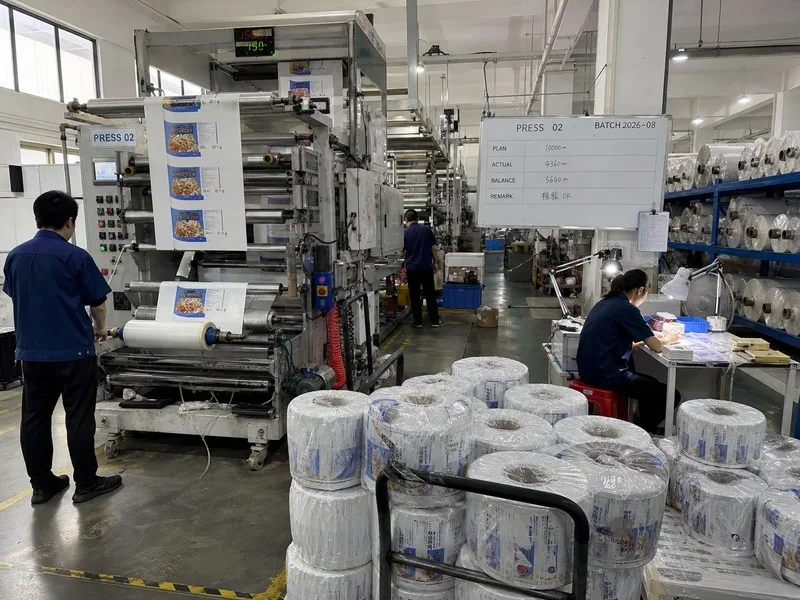
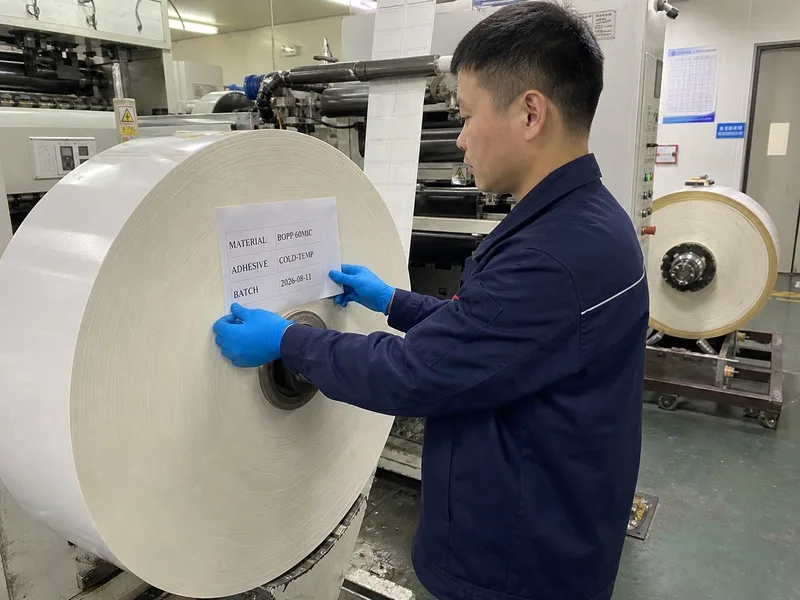
Material Route Locked
Approved face-stock and adhesive route, recorded before the run begins.
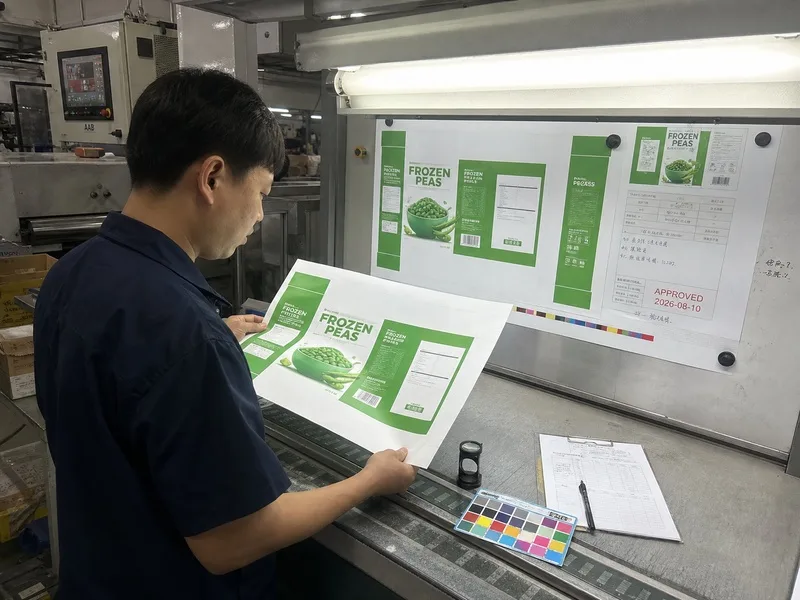
Artwork and Color Checked
Artwork, version and color checked against the approved reference.
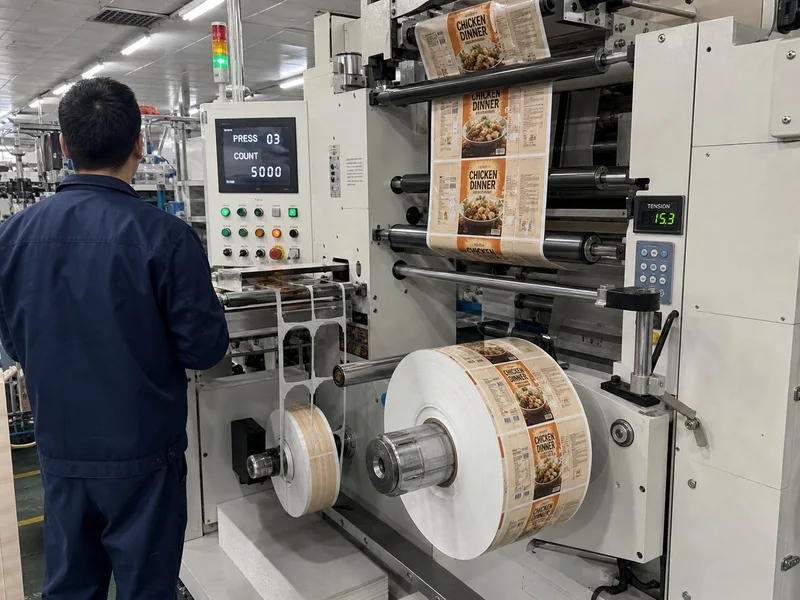
Roll and Die-Cut Set Up
Core, winding and die-cut set to your application route.
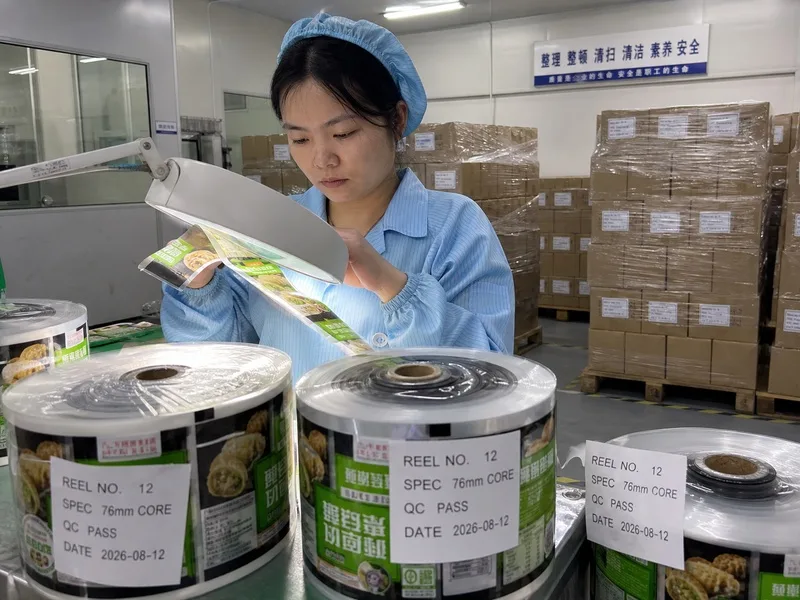
Finished Rolls Inspected
Finished rolls checked against the approved build before dispatch.
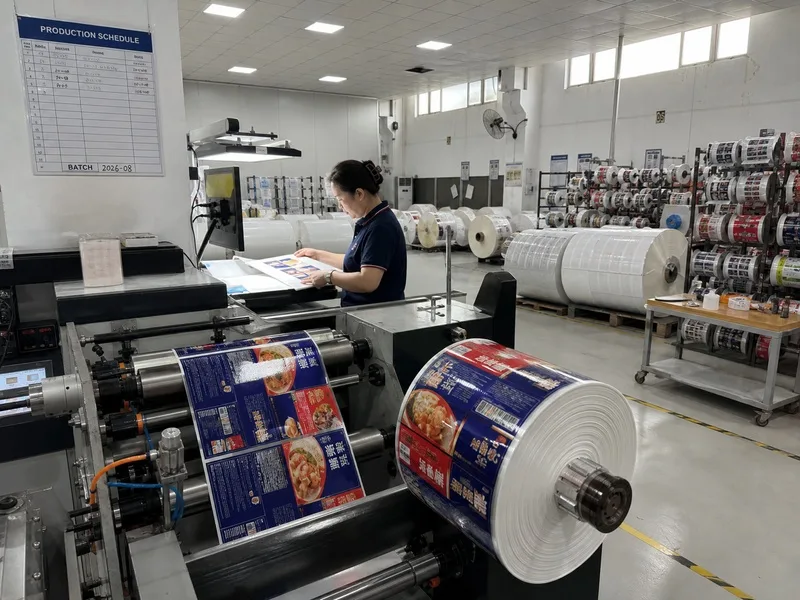
One Approved Build, Ready for Repeat Frozen Label Runs
Cold-chain projects need more than a good first sample. The production route records the approved material, adhesive, artwork and roll specification before the bulk run begins. Co-packers launching private label frozen food lines reuse the same approved build across every SKU they add.