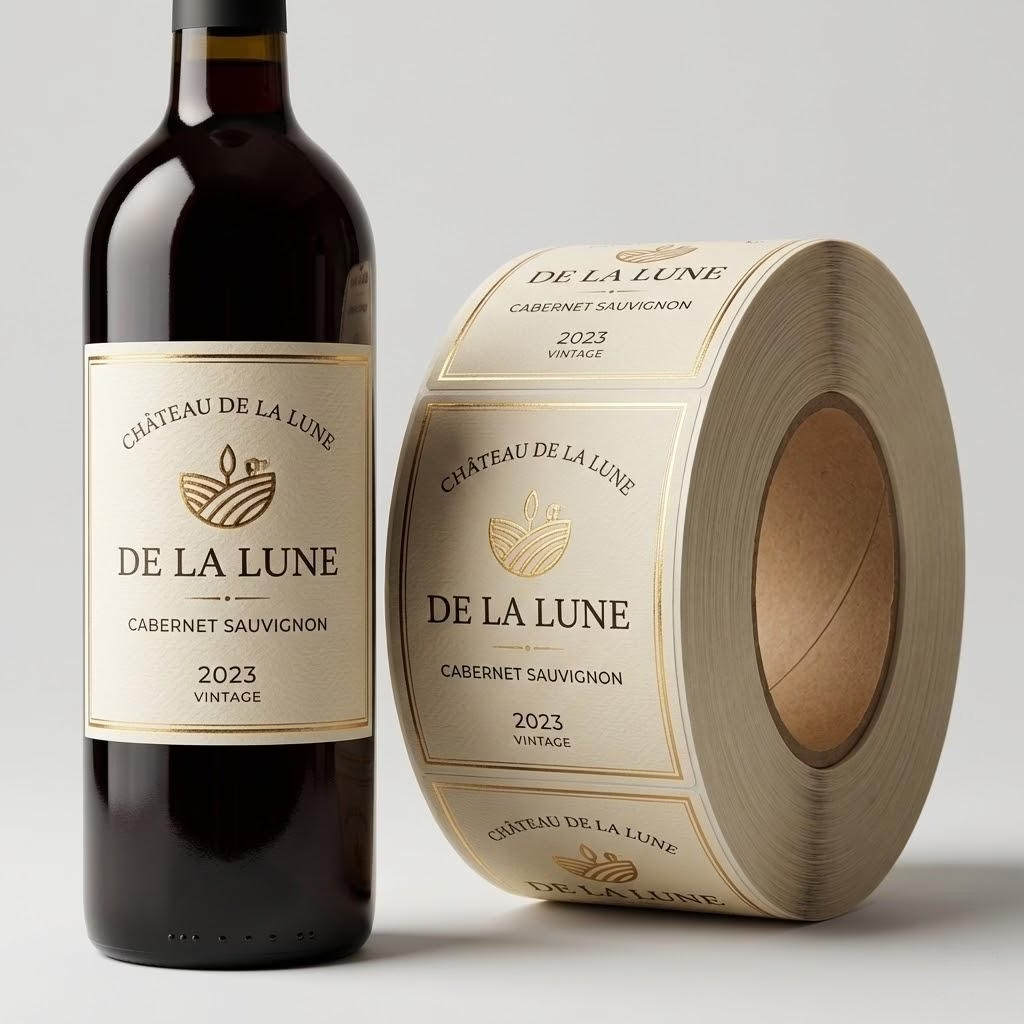
After 18 years producing wine labels for vineyards across 30+ countries, we have seen every material failure you can imagine—soggy labels sliding off bottles at tastings, textured finishes peeling on curved Bordeaux bottles, and ink bleeding the moment condensation hits.
The material you choose for your wine label is not a cosmetic decision. It determines whether your brand survives first contact with the consumer.
Short answer: Matte BOPP is the best all-around wine premium spirit label finishes—it survives ice buckets, resists condensation, and maintains print clarity. Art paper delivers premium aesthetics for still wines that stay dry. Textured paper adds tactile luxury for boutique brands willing to handle with care.
If you are investing in custom wine labels, the material decision directly impacts shelf appeal, durability, and your per-bottle cost. Read on to see exactly how each option performs under real conditions.
Why Your Wine Label Material Choice Makes or Breaks Shelf Appeal
Walk into any wine shop. What makes you reach for one bottle over another? Before you read the varietal or check the vintage, your hand is already drawn to the label. The texture, the sheen, the way it sits on the glass—these split-second impressions are driven entirely by material choice.
A wine label is your silent salesperson. It works the shelf when no tasting note or medal can. Choose the wrong material and you lose the sale before the customer ever picks up the bottle.
The stakes go beyond aesthetics. A label that suffers from labels peeling off bottles in a retail cooler damages brand credibility instantly. A material that cannot handle condensation in a restaurant wine fridge makes your product look cheap, regardless of what is inside.
Material choice also affects your production line. Some materials feed cleanly through high-speed labeling machines at 200+ bottles per minute. Others jam, misalign, or require slower line speeds that increase your per-unit cost.
The right material does three things simultaneously: it looks premium on the shelf, survives the storage environment, and runs efficiently on your bottling line.
Art Paper Wine Labels: The Classic Choice for Premium Branding
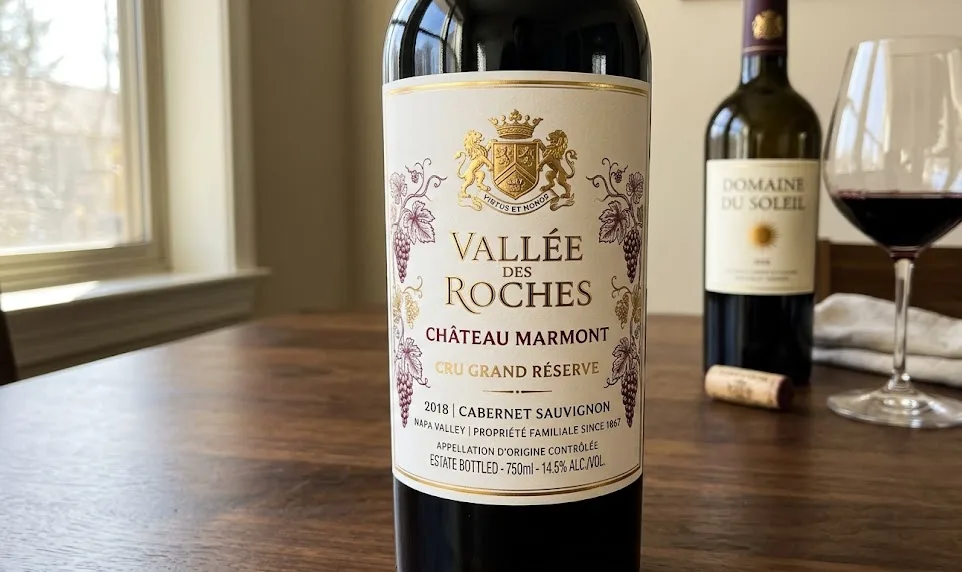
Art paper—typically 80–128 GSM coated stock—remains the most widely used material for wine labels globally. It delivers sharp, vibrant print reproduction that makes your design pop under retail lighting. The smooth coated surface accepts fine detail, small serif type, and photographic imagery with exceptional clarity.
For still wines that sell off the shelf and get opened at the table, art paper is often the smartest choice. It looks expensive without costing a premium. A standard 80 GSM C1S (coated one side) art paper label with matte varnish conveys understated elegance that matches most Old World wine branding.
The limitation is water resistance. Art paper absorbs moisture. In a refrigerated environment, condensation forms on the bottle and the label begins to degrade—edges curl, ink can smear, and the surface loses its crisp appearance. This is not a material for wines that sit in ice buckets.
Art paper also benefits from a protective finish. Without varnish or lamination, the surface scuffs easily during shipping and case packing. A matte varnish adds scuff resistance while maintaining the paper feel. For more demanding conditions, consider the varnish vs lamination protection tradeoffs carefully.
When Art Paper Works Best
- Premium still wines sold at room temperature
- Boutique vineyards prioritizing print detail over durability
- Short-run labels (under 2,000) where cost matters most
- Brands that want a traditional, classic wine label aesthetic
Matte BOPP Film: The Waterproof Workhorse for Ice Bucket Survival
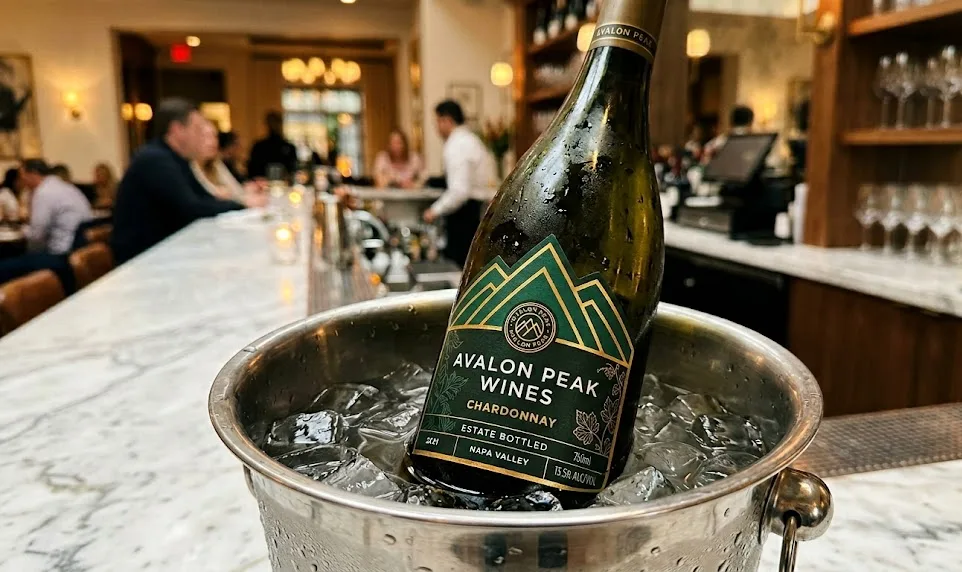
Matte BOPP (biaxially oriented polypropylene) film is the material that solved the wine industry’s biggest labeling headache: the ice bucket. This 50–80 micron synthetic film is completely waterproof. It does not absorb moisture, it does not curl, and it does not degrade when submerged.
For white wines, rosés, sparkling wines, and any product that ends up chilling before service, matte BOPP is the practical choice. The matte finish also happens to look sophisticated—it mimics the appearance of high-end matte paper while delivering performance that paper cannot match.
The tradeoff is tactile. BOPP feels like film, not paper. Consumers running their fingers along the label will notice the difference. For some brands, this matters.For others—especially those selling through restaurants and retail where the ice bucket test is non-negotiable—the durability advantage far outweighs the tactile compromise.
Print quality on BOPP has improved dramatically with modern flexographic and UV printing technology. Fine type, gradients, and metallic accents reproduce cleanly. The key is working with a printer experienced in film substrates—ink adhesion and drying behave differently than on paper stock.
If your wine will ever see an ice bucket, a refrigerator, or high-humidity storage, matte BOPP eliminates the risk of label failure entirely.
When Matte BOPP Works Best
- White, rosé, and sparkling wines requiring chilled service
- Wines distributed through restaurants and hospitality channels
- Brands shipping to humid or tropical climates
- Any product where labels survive condensation is a requirement
Textured Paper Labels: Tactile Luxury That Commands Higher Prices
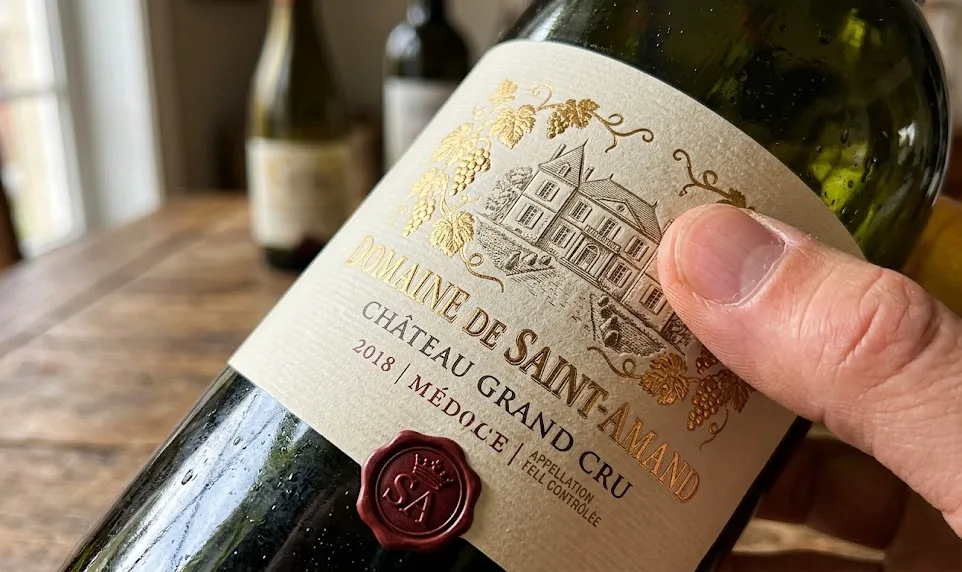
Textured paper—laid, linen, felt, and vellum finishes—creates a sensory experience that flat materials cannot replicate. When a consumer runs their thumb across a laid-finish label and feels the subtle ridges, it communicates craftsmanship. It signals that the wine inside is worth the premium price.
Research in packaging psychology consistently shows that tactile engagement increases perceived value. A textured label can support a 15–25% price premium over an identical wine with a smooth label. For boutique vineyards and limited-edition releases, this material pays for itself.
Textured papers typically range from 90–160 GSM. The heavier weights (120+ GSM) feel substantial in hand and convey quality, but they present challenges on curved bottles. Thick textured stock resists conforming to tight radii, which can cause lifting at the edges on tapered or deeply curved bottles.
Water resistance is the weakest among the three options. Even with lamination, the texture creates micro-channels where moisture can penetrate. Textured labels are best suited for wines that are stored and served at controlled temperatures—cellar conditions, not ice buckets.
A textured label tells the consumer: this wine was made with care, by hand, in small batches. The tactile experience reinforces the brand story before the cork is even pulled.
When Textured Paper Works Best
- Premium and ultra-premium wines priced above $30 retail
- Limited-edition and reserve bottlings
- Brands with a handcrafted, artisanal positioning
- Wines sold in controlled environments (cellar door, fine dining)
Which Material Actually Survives 30 Minutes?
We tested all three materials under identical conditions: 30 minutes fully submerged in a standard ice bucket with water at 2°C, then removed and evaluated for adhesion, print integrity, and surface condition. Here is what happened.
Art paper (80 GSM, matte varnish): Visible edge curling began at 8 minutes. By 15 minutes, the surface showed water staining and ink began to bleed at cut edges. At 30 minutes, the label was significantly degraded—unreadable in areas and partially detached from the bottle.
Matte BOPP (60 micron): Zero visible change after 30 minutes. Print remained crisp, adhesion was intact, and the surface showed no water damage. The label looked identical to its pre-test condition. This material is built for ice bucket exposure.
Textured paper (120 GSM, matte lamination): Surface lamination protected the print for the first 12 minutes. After that, moisture began penetrating through the textured surface at the edges. By 30 minutes, the label showed moderate edge damage and slight lifting, though the main print area remained legible.
Bottom line: if your wine will be iced, BOPP is the only material that guarantees a pristine label after 30 minutes. Textured paper with lamination is acceptable for brief contact. Art paper fails under these conditions.
Not Sure Which Material Fits Your Wine?
Get hands-on with all three materials before you commit. Our sample kit includes art paper, matte BOPP, and textured stock—so you can feel the difference and test durability yourself.
Matching Materials to Curves
Wine bottles come in dramatically different shapes, and each shape places different demands on Water Bottle Label Printing. A material that performs beautifully on a straight-sided Burgundy bottle may fail on the tight taper of a Mosel flute.
Art paper (80 GSM) conforms well to most bottle shapes. Its flexibility allows it to wrap around curves without lifting. On deeply tapered bottles, use a thinner stock (70–80 GSM) and ensure the label width is sized to avoid spanning the tightest part of the curve.
Matte BOPP film is highly conformable. Its synthetic flexibility allows it to adhere smoothly to curved surfaces, including the challenging shoulders of Bordeaux and Rhône bottles. This is one of BOPP’s underappreciated advantages—it wraps better than most papers.
Textured paper is the most problematic on curves. The heavier GSM and the embossed texture reduce flexibility. On straight-sided bottles like standard Burgundy formats, it performs well. On tapered bottles, expect edge lifting unless you use a smaller label format or add additional adhesive.
Quick Compatibility Guide
- Bordeaux (high shoulder): BOPP excels; art paper works; avoid heavy textured stock
- Burgundy (sloping shoulder): All three materials perform well
- Mosel/Alsace (tall, tapered): BOPP or thin art paper only
- Champagne (thick, curved): BOPP recommended for pressure and moisture resistance
What 500 to 5,000 Bottles Really Costs
Material cost is only part of the equation. You need to factor in finishing (varnish or lamination), setup costs, and how quantity affects your per-label price. Here is a realistic comparison based on current production rates at our facility.
| Feature | Art Paper | Matte BOPP | Textured Paper |
|---|---|---|---|
| Material Type | 80–128 GSM coated | 50–80 micron BOPP film | 90–160 GSM embossed |
| Water Resistance | Low (requires lamination) | Excellent (inherent) | Low–Moderate (lamination helps) |
| Tactile Feel | Smooth, classic | Smooth, film-like | Textured, premium |
| Best Bottle Shape | Burgundy, straight-sided | All shapes, especially curved | Burgundy, straight-sided |
| Cost per 1,000 Labels | $80–$150 | $100–$180 | $120–$220 |
| Ice Bucket Survival | Fails under 15 min | 30+ minutes intact | 12–15 min with lamination |
| Ideal For | Still wines, classic branding | Chilled wines, durability-first | Premium boutique, tactile luxury |
Costs based on standard 4-color process, 100×80mm label, matte finish, quantities of 1,000–5,000 units. Prices vary by design complexity and finishing options.
At the 500-label tier, expect per-label costs 20–30% higher due to setup amortization. By 5,000 labels, the per-unit cost drops significantly as setup is spread across more units.This is where working with a factory-direct supplier like Label Printing China delivers real savings—Save 30% & 100% Machine-Ready is not a slogan, it is the operational reality of cutting out middleman margins.
For custom label printing at scale, the cost gap between materials narrows. At 10,000+ units, the difference between art paper and BOPP may be as little as $0.02 per label—making the durability upgrade nearly free.
How to Choose the Right Material for Your Wine Brand
Choosing a wine waterproof condensation-proof solutions comes down to three questions: Where will the wine be stored? How will it be served? And what does your brand need to communicate at first touch?
If your wine goes into an ice bucket or a restaurant wine fridge, matte BOPP is the clear answer. The material eliminates durability risk entirely and the matte finish still looks refined. This is why most commercial white and sparkling wine producers have already switched.
If your wine is a premium still red that sells from a shelf and gets opened at room temperature, art paper gives you the best visual quality at the lowest cost. Pair it with matte varnish for scuff protection and you have a label that looks expensive without the premium price tag.
If you are a boutique producer charging $30+ per bottle and your brand story centers on craftsmanship, textured paper is worth the investment. The tactile experience justifies higher pricing and differentiates your bottle from mass-market alternatives.
Compliance also matters. Ensure your chosen material can accommodate all required regulatory text at legible sizes. Per TTB wine labeling regulations, mandatory information must remain clearly readable throughout distribution and retail display—a damaged label is a compliance risk, not just a cosmetic one.
For brands that want to validate their material choice before committing to a full production run, request physical samples.Feeling the difference between 80 GSM art paper and 60 micron BOPP on an actual bottle tells you more than any specification sheet. Industry standards from TAPPI paper standards provide useful technical benchmarks, but the real test is how the material looks and feels on your specific bottle.
After 18 years of producing wine labels for vineyards worldwide, we have seen the same pattern repeat: brands that match their material to their storage conditions and brand positioning get labels that perform. Brands that choose based on price alone end up reprinting. The cheapest label is the one you only print once.