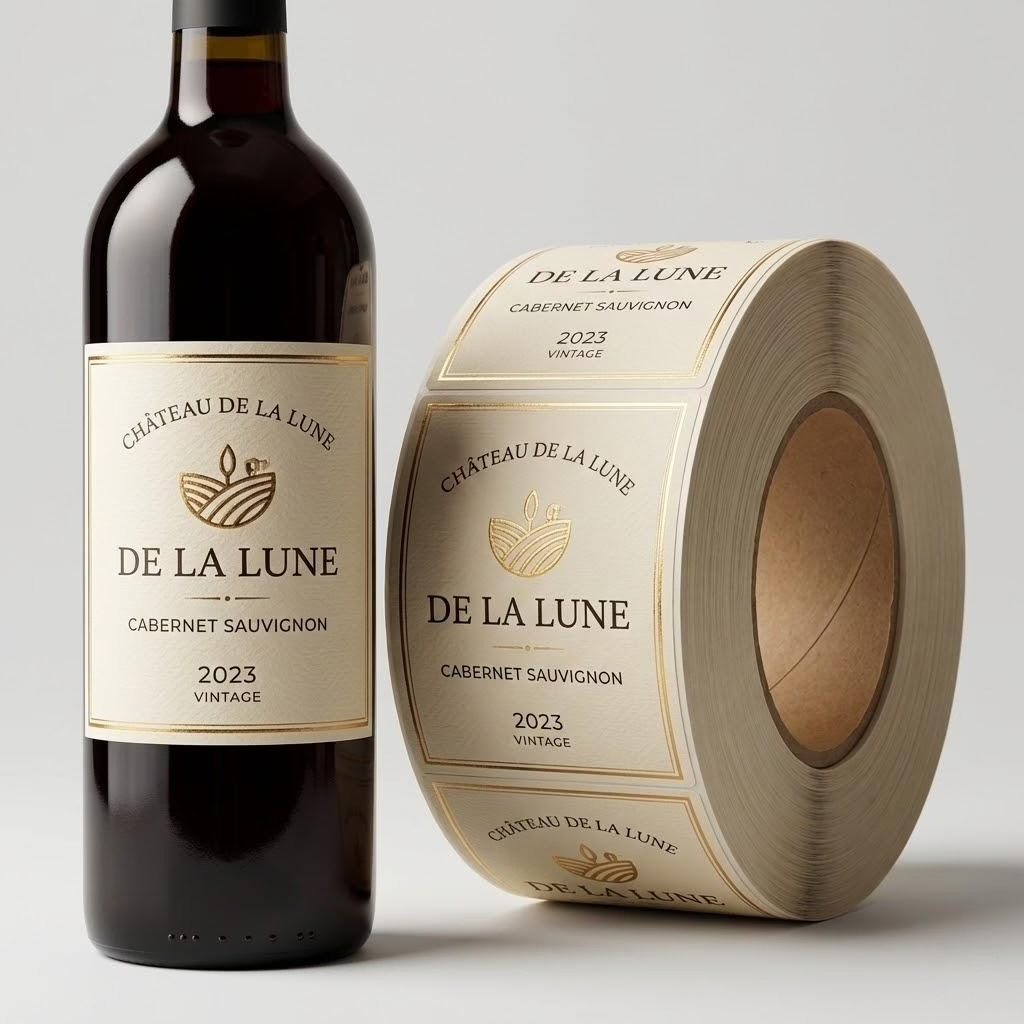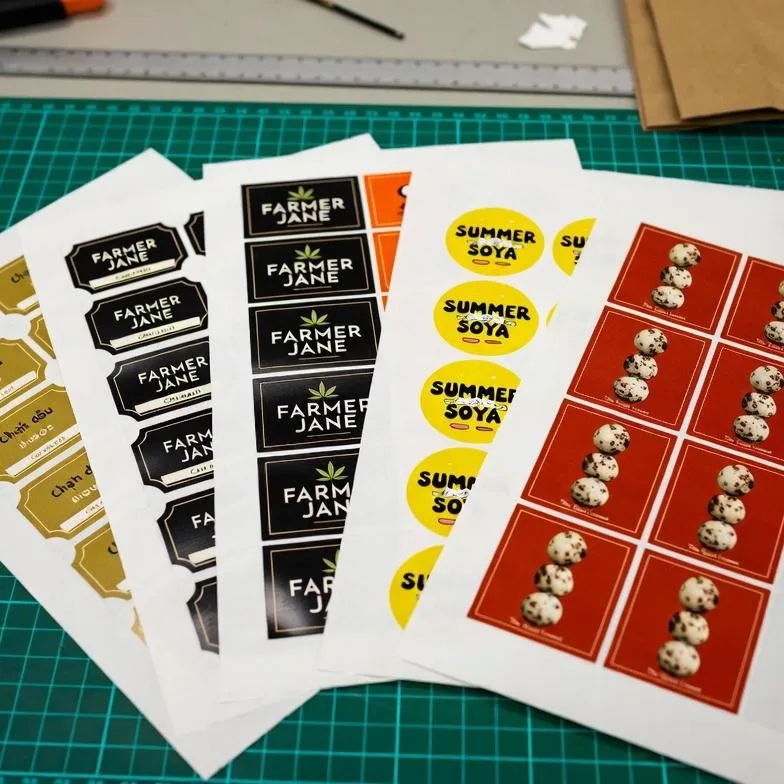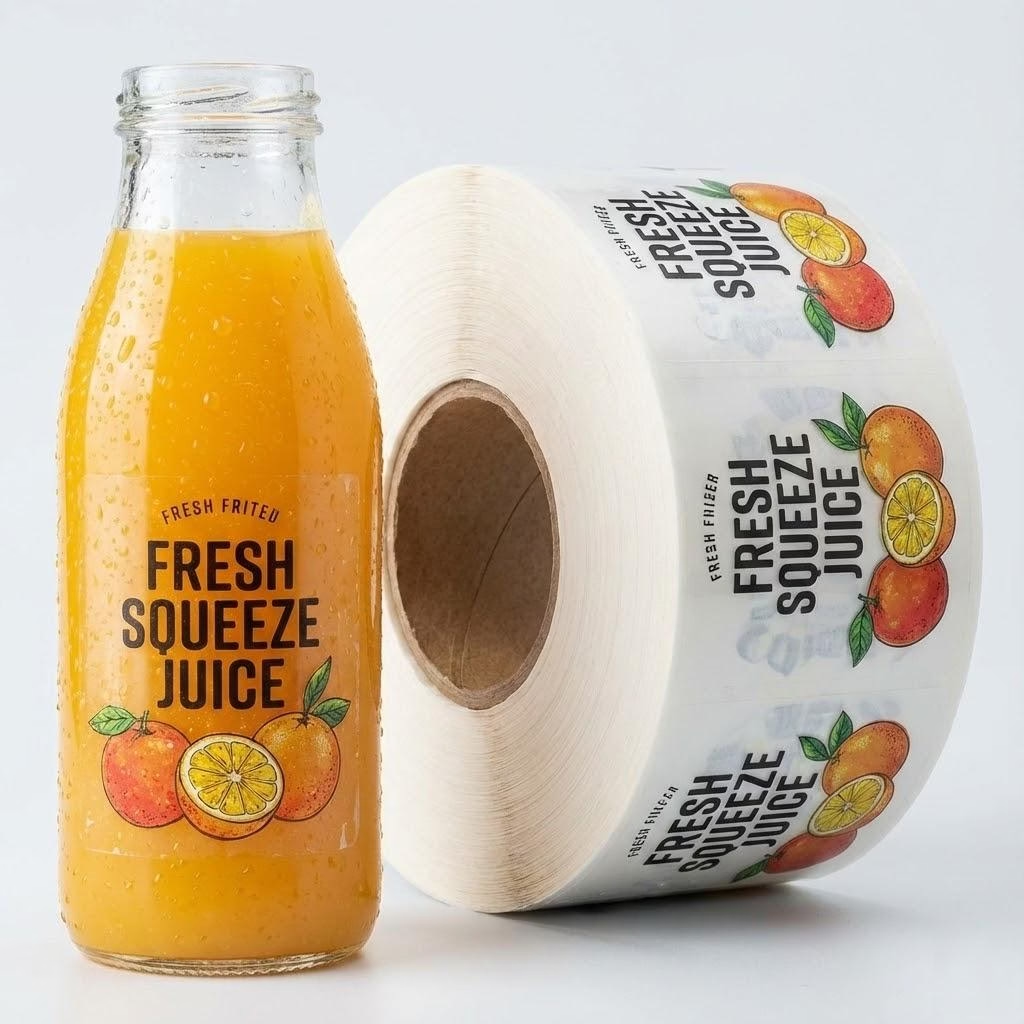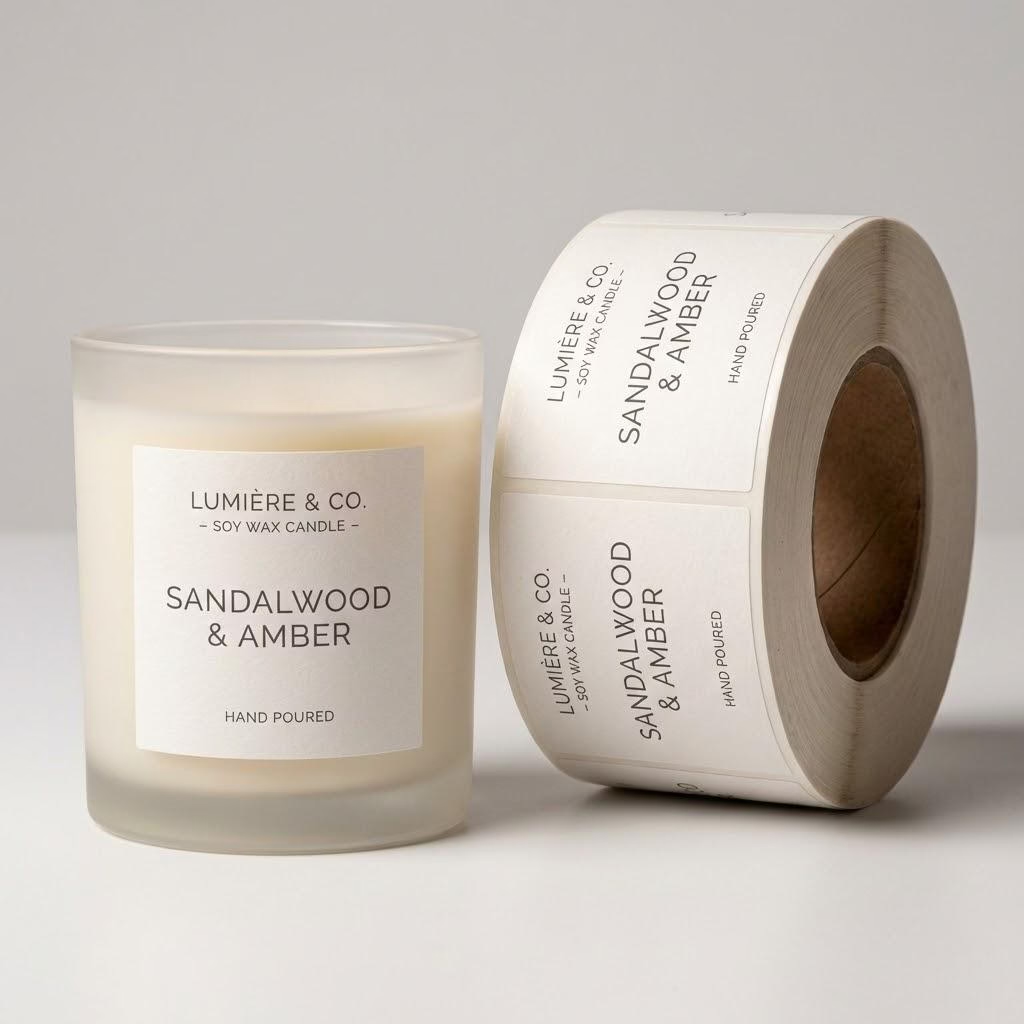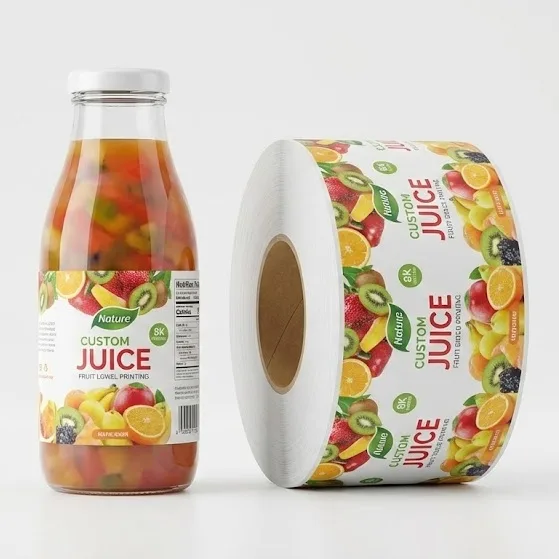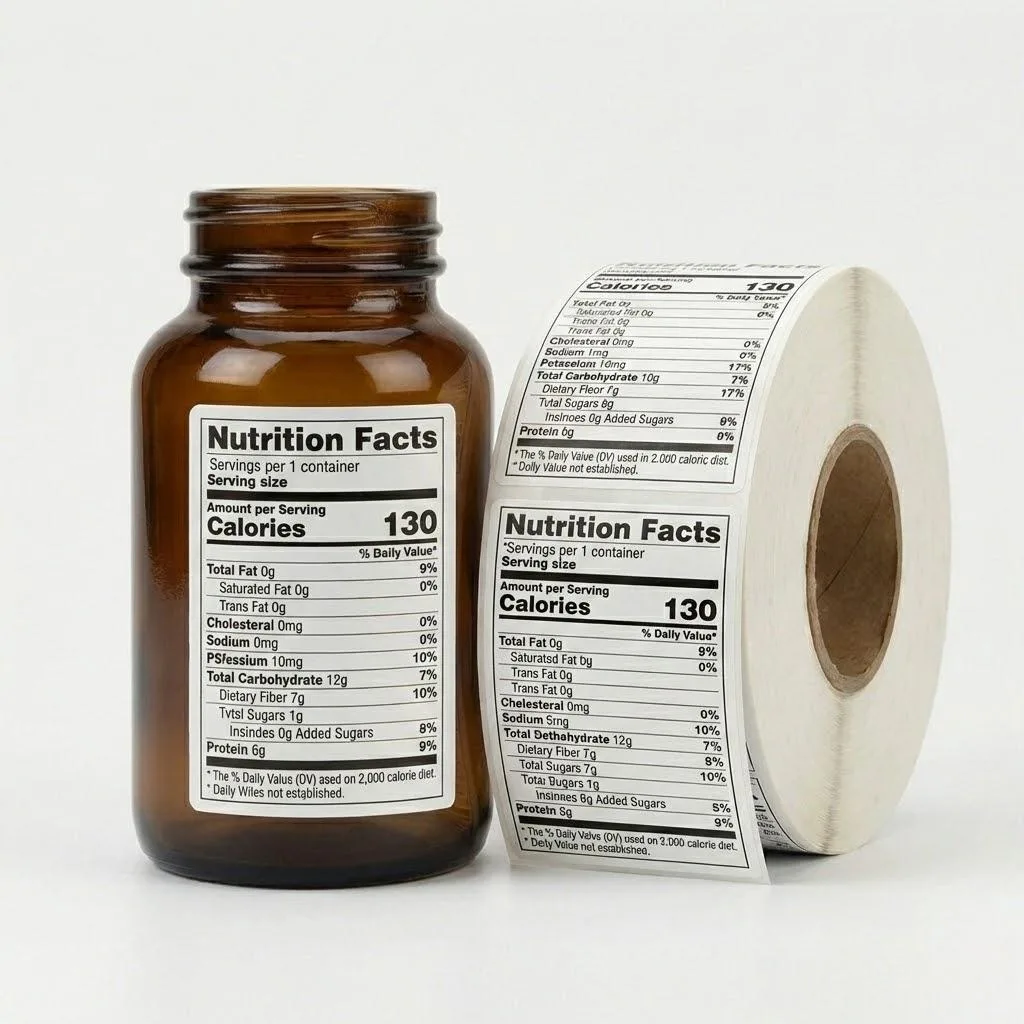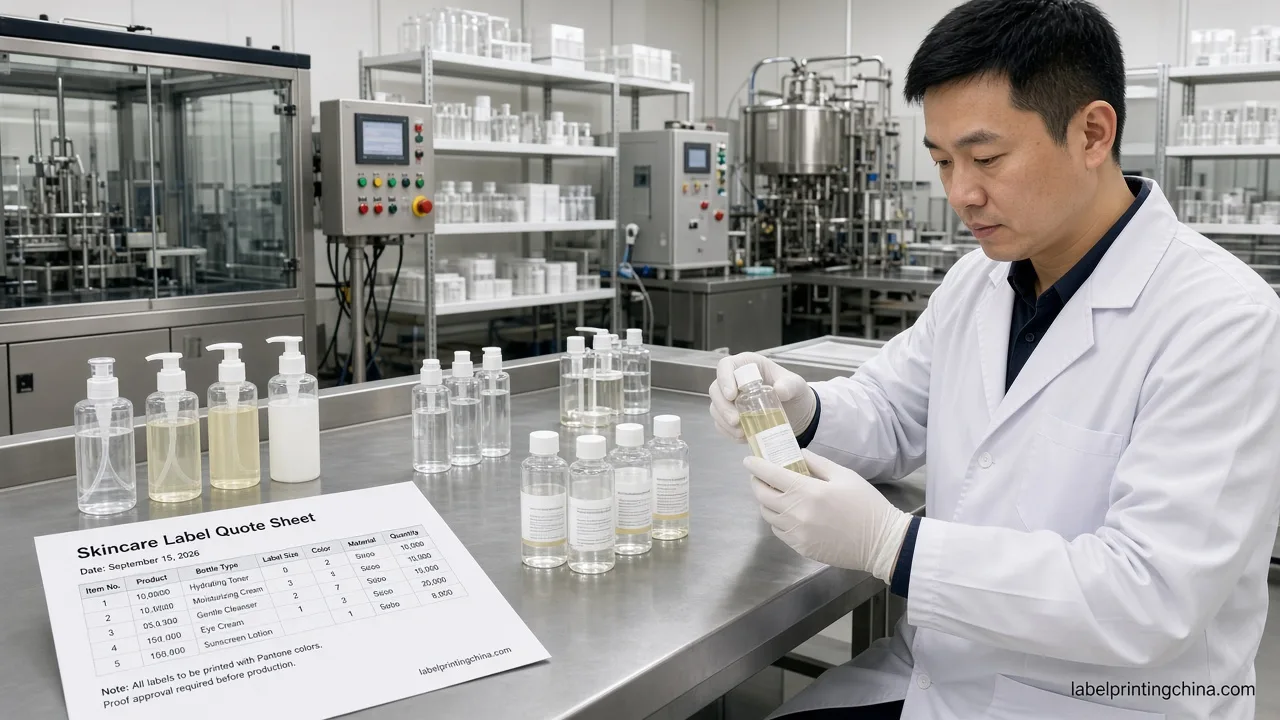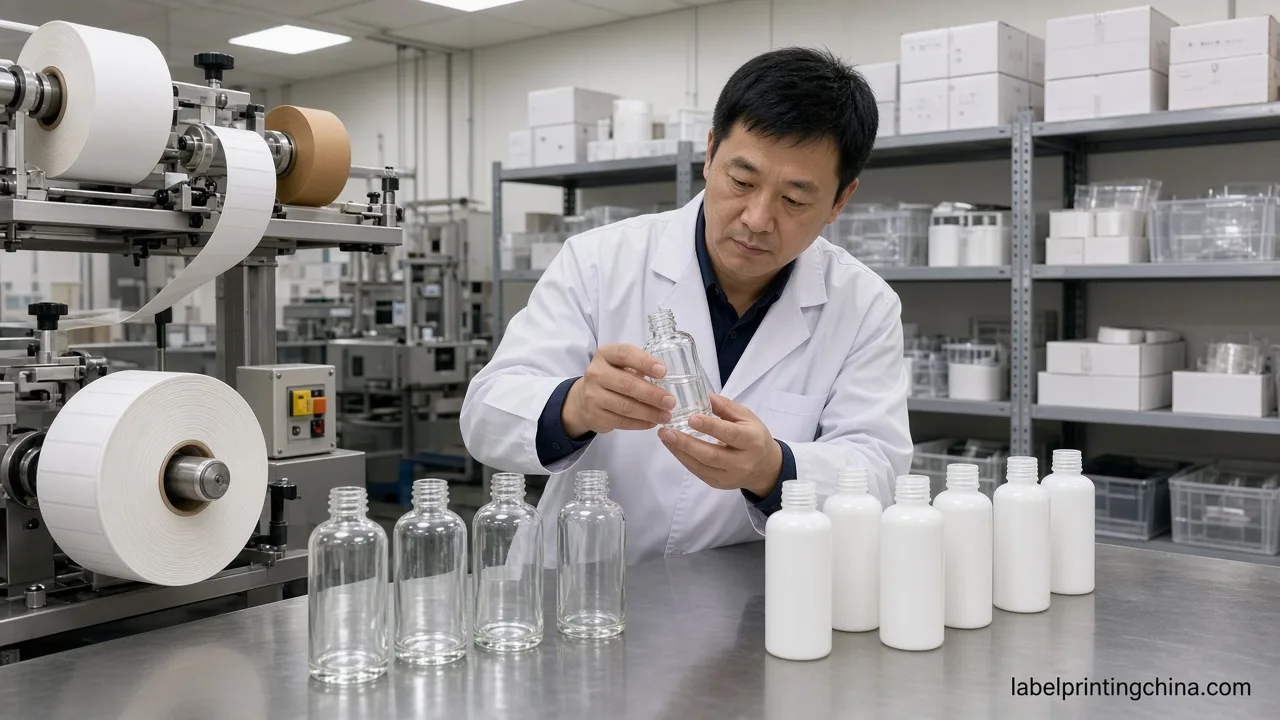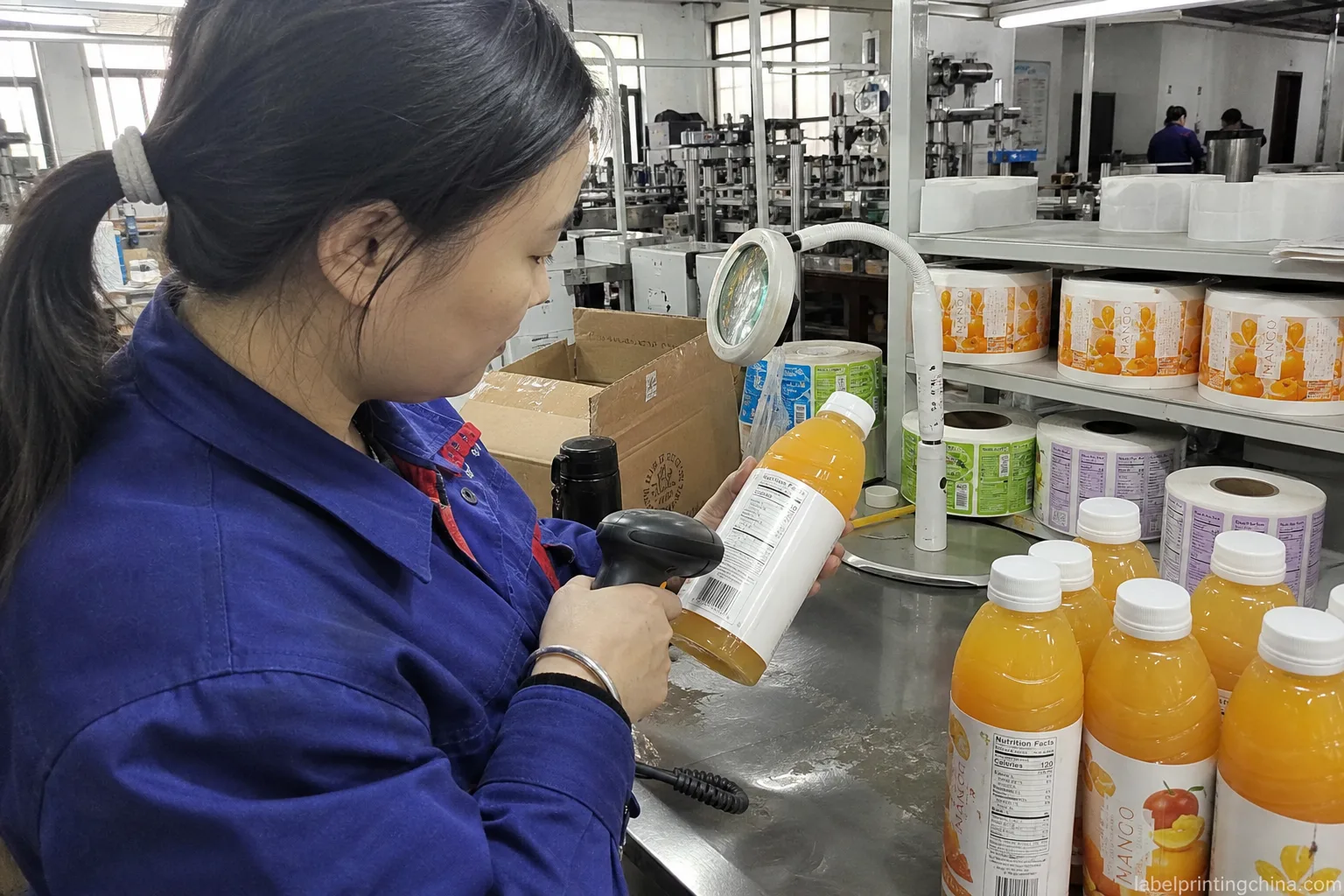
When beverage labels leave the desk and hit cold bottles, wet walls, and high-speed applicators, screen-perfect art can still fail on the line. You can freeze a one-page approval checklist before the full run ships.
Approve a beverage label run only after you pass color on the real substrate, a condensation-plus-rub check, a barcode scan on the curved pack, and a roll-application trial that matches your unwind and gap—then sign one page before mass print.
Keep reading and you will leave with a closed-loop way to catch those failures before volume ink hits the press—so the next beverage proof is something you can gate yourself, not a hope that the PDF looked fine.
Lock Color Against a Physical Swatch First
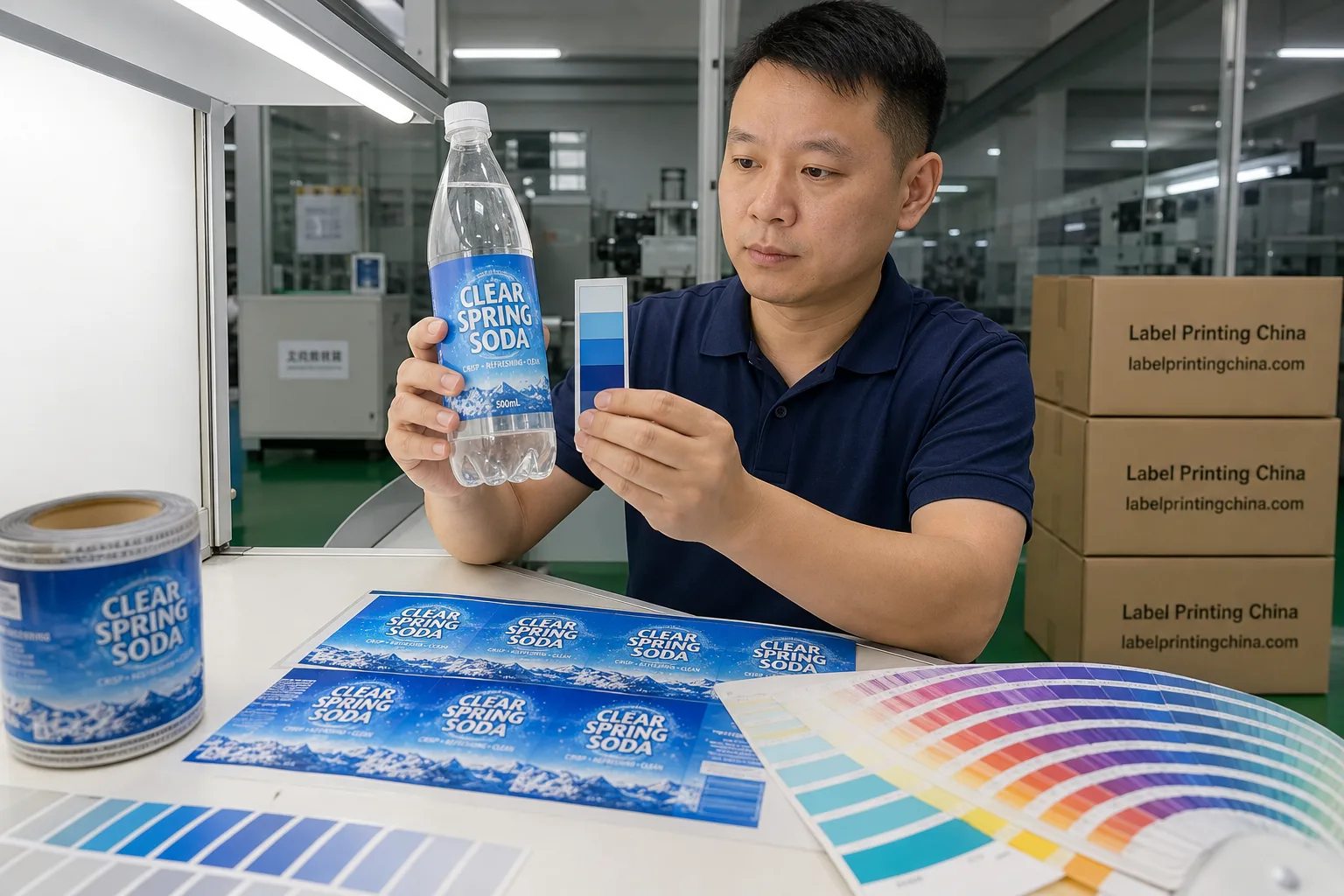
When you only approve a backlit PDF, you are signing RGB light—not ink on film or paper. For beverage shelves, lock color on the same face stock and finish you will buy.
| What you are looking at | What you do |
|---|---|
| PDF or monitor soft proof | Use only for typo, layout, and barcode position—not final brand color |
| Inkjet on office paper | Hold color sign-off; demand a swatch on the production substrate |
| Press proof on the real BOPP/paper + finish | Compare under store LED and daylight; sign when brand owner accepts the match |
When you once signed “close enough” on a laptop for a citrus soda brand, the white BOPP run came back cooler and flatter than the mood board. Your color gate is substrate-first—not “looks good in Slack.”
Write the swatch rule into the PO line: face stock name, finish (matte or gloss), and the date the brand owner stood next to the bottle under retail light. If marketing only saw a phone photo of the proof, treat color as still open.
When two plants quote the same “white film,” ask each for a dated swatch on their actual stock—your brand red can shift between suppliers even when both call it BOPP.
If you still need the soft-vs-hard decision map, skim the physical proofing guide after you freeze the beverage swatch rule here.
Run Condensation and Rub Before You Trust Waterproof Claims
When you only wipe a dry sample with a finger, you miss the cold-chain path your drink actually takes. Build a short wet check into the same approval page.
- Apply the proof to the real bottle or cup material you will fill
- Chill 30–60 minutes, then pull into ambient air so condensation forms
- Check edge lift at 10 minutes and again at 2 hours
- Rub with a wet napkin 10 strokes on the brand mark; watch for smear or scuff
When iced SKUs live in sleeves and carriers, a pretty face film still fails if the adhesive never rated wet plastic. For cup-specific cold walls you can cross-check the iced cup labels guide—but your approval page still needs the condensation-plus-rub line for every beverage SKU you ship wet.
Write the pass criteria in plain English: no edge lift you can catch with a fingernail, and no smear that hides the flavor name. If either fails, Hold the mass PO and ask for adhesive or finish changes before you order volume rolls.
Photograph the wet pack after the two-hour check and drop the image into the same folder as the signed page. When a co-packer later claims “the art looked dry-lab fine,” you have the condensation evidence on file.
Scan the Barcode on the Curved Pack Not Flat Paper
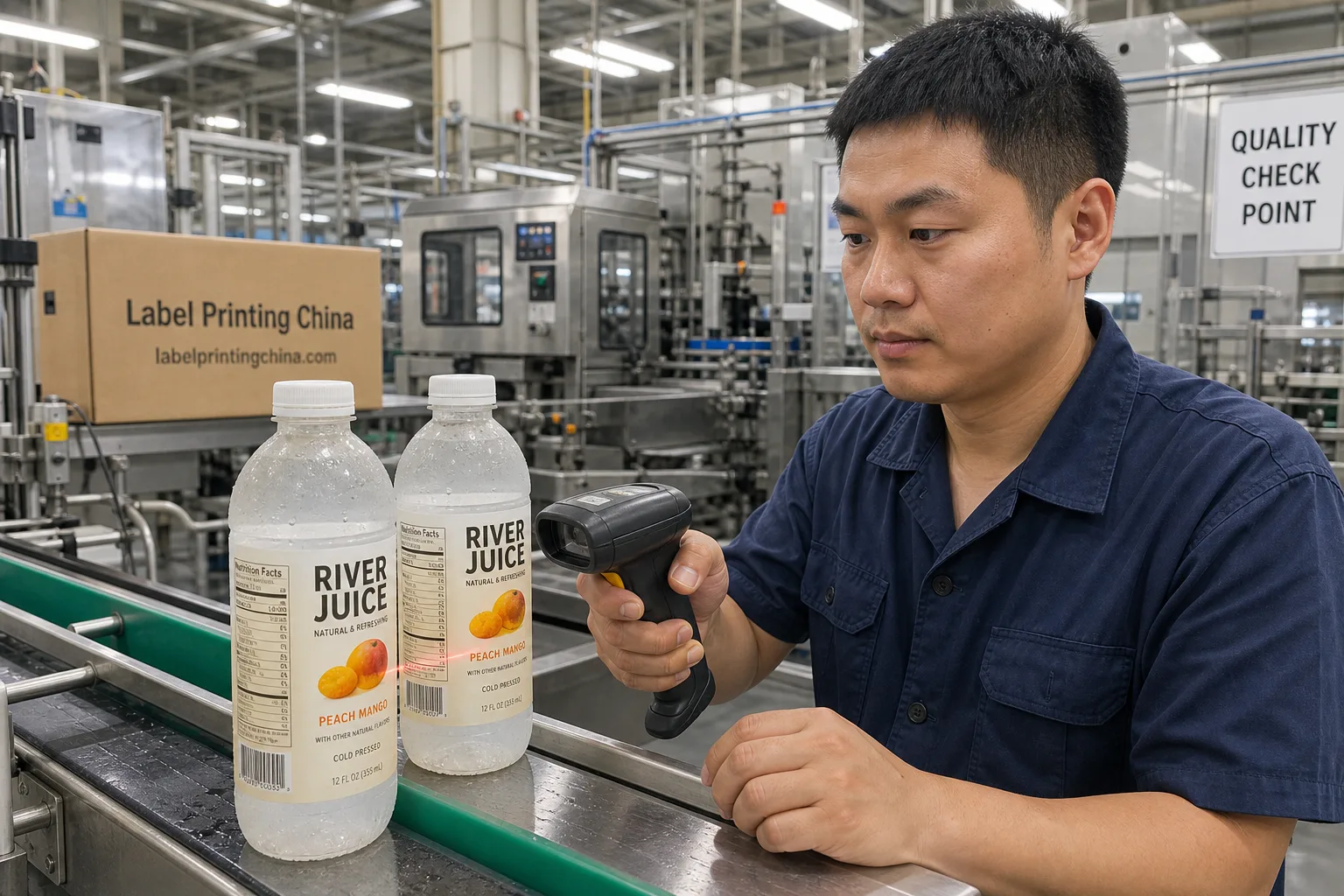
When you only scan a flat laser print, quiet zones and curve distortion never show up. Beverage approval means the code works on the real diameter.
| Check | How you verify |
|---|---|
| Quiet zone and size | Measure on the applied label; do not trust the PDF alone |
| Scan path | Scan on the filled or sample pack with your warehouse or retail scanner—not only a phone demo |
| Contrast | Confirm dark bars on a light field; Hold clear-on-clear art that fails contrast |
When a juice brand once passed flat proofs but failed at receiving, the wrap had squeezed the quiet zone on a slim bottle. Your barcode line on the approval page should say “scanned on curve” with the device name and date.
Rotate the pack through the same angles your warehouse gun will hit. If the code only reads when you hold the bottle just so, redesign the window or enlarge the symbol before you print thousands of meters.
For a broader barcode pretest list you can bookmark the GS1 barcode testing checklist—then still force the on-pack scan into your beverage sign-off.
Confirm Unwind and Gap Match Your Applicator
When art is perfect but the roll feeds wrong, the line still stops. Put unwind, gap, core, and a short apply trial on the same page as color and wet checks.
- Write the unwind number your applicator expects (for example #3 or #4)
- Keep a standard ~3 mm gap so sensors see each label
- Confirm core size—often 76 mm (3″) for industrial heads
- Run 20–50 labels on the real machine or a representative bench applicator
When you once approved a pretty roll that arrived “top out” while the filler needed “right out,” the crew spent a shift hand-applying and arguing with the vendor. Your approval page should name the unwind before ink volume starts.
Watch for red flags during the short trial: wrinkled leading edges, labels that jump the sensor, or adhesive that transfers onto the peel plate. Any of those is a Hold—even if the printed color already passed.
Note roll OD and max weight your applicator can carry. A beautiful jumbo roll that stalls the spindle still fails your beverage approval gate.
If your co-packer cannot run the trial this week, book a bench apply on a spare head and still date the result—do not leave unwind as an email promise.
For a wider machine-ready protocol beyond beverage, keep the label run sign-off guide as background—this page stays the beverage-specific gate.
Need a beverage label approval review?
Send artwork, material preference, barcode, and applicator notes so we can map your one-page color, wet, scan, and roll checks before mass print.
Sign the One-Page Beverage Approval Gate
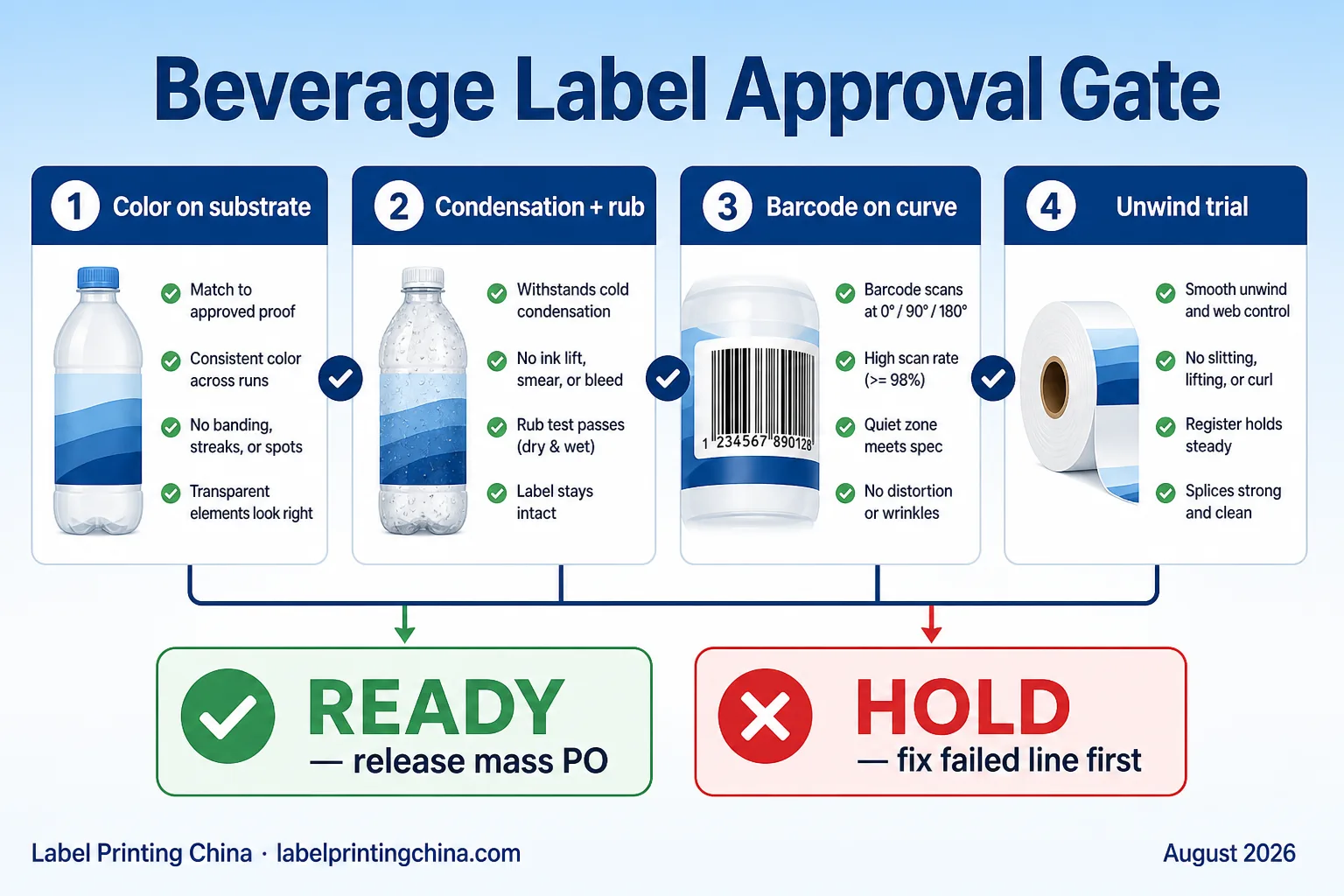
When every check lives in a different email thread, someone will ship without the wet test. Collapse the four checks into one Ready/Hold page and one signature.
| Signal | Ready or Hold |
|---|---|
| Color signed on production substrate; wet rub clean; barcode scanned on curve; unwind trial passed | Ready to release the mass PO |
| Any one check missing, failed, or “will verify later” | Hold volume ink until that line is dated and signed |
| Legal copy still moving while rolls are quoted | Hold until Rev is frozen—color wet tests do not replace copy lock |
When a co-packer once started labeling while marketing “finished the PDF tomorrow,” you ate scrap for a nutrition line change. Assign one owner—procurement or packaging—to sign the page the same day the last check clears.
Photograph the signed page into the PO folder. If a later dispute asks what you approved, you have the four checks in one place—not a scavenger hunt across chats.
Keep the page short enough to print on one sheet: four check lines, Ready/Hold box, signer name, and date. Long multi-tab QC workbooks rarely travel with the PO—your one-pager does.
When you order from a beverage-focused converter, start from custom beverage labels with that one-page gate attached to the brief.
Freeze Your Beverage Proof Sign-Off Tonight
You approve beverage labels when color, wet performance, curved barcode scans, and roll application all clear on one signed page—not when the PDF looked fine on a bright screen.
Tonight: print the four-line gate, run condensation-plus-rub on a real pack, and scan the code on the curve. Hold the mass PO until every line has a date and a name.
When artwork, material notes, barcode, and applicator details are ready, send them for a beverage-label approval review on the custom beverage labels page—so your next cold-fill or can run ships with checks already behind you.