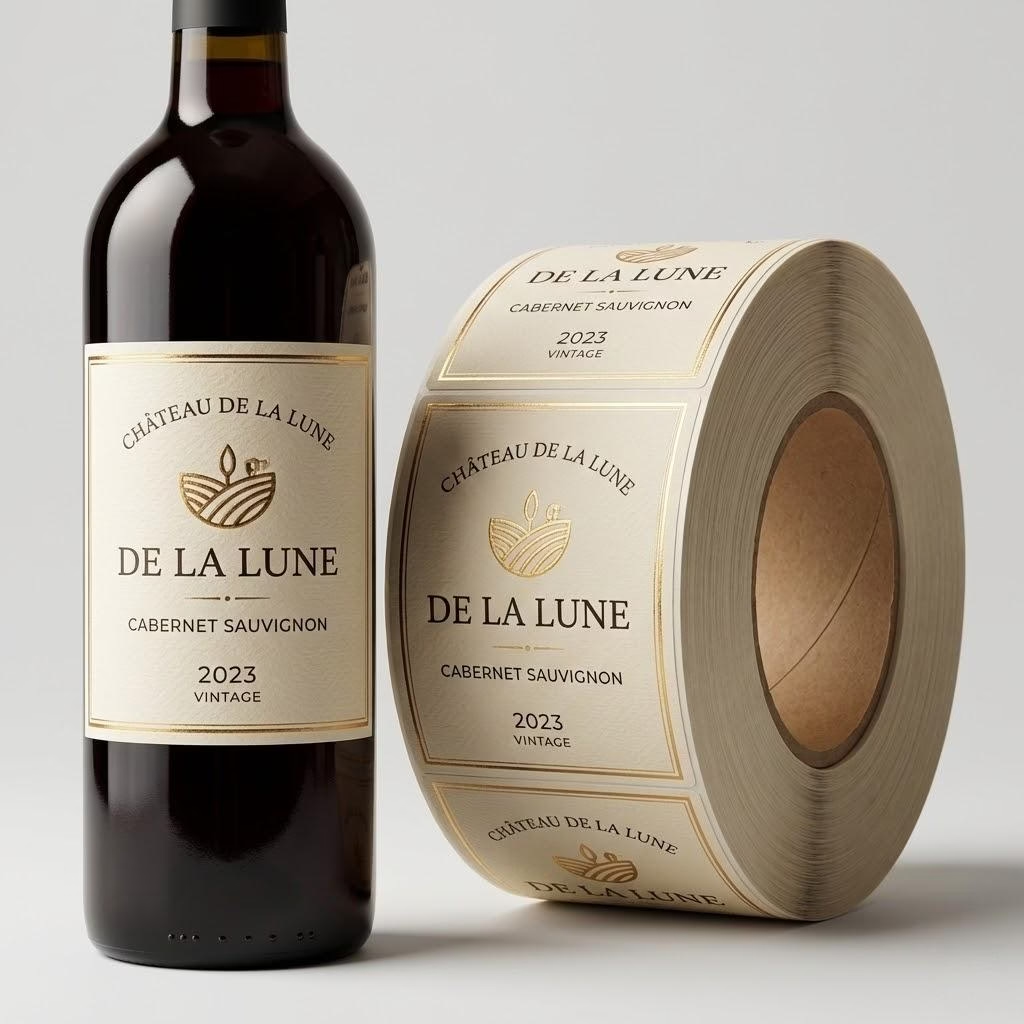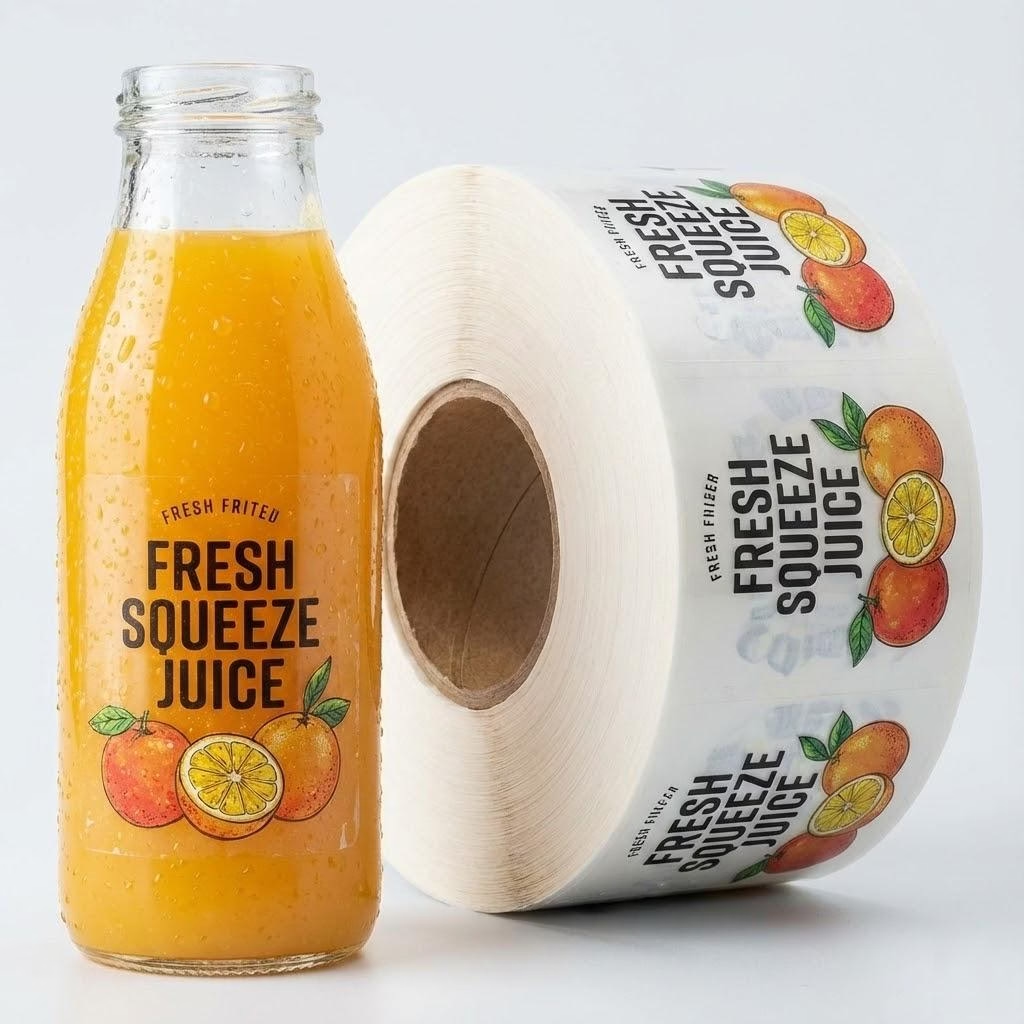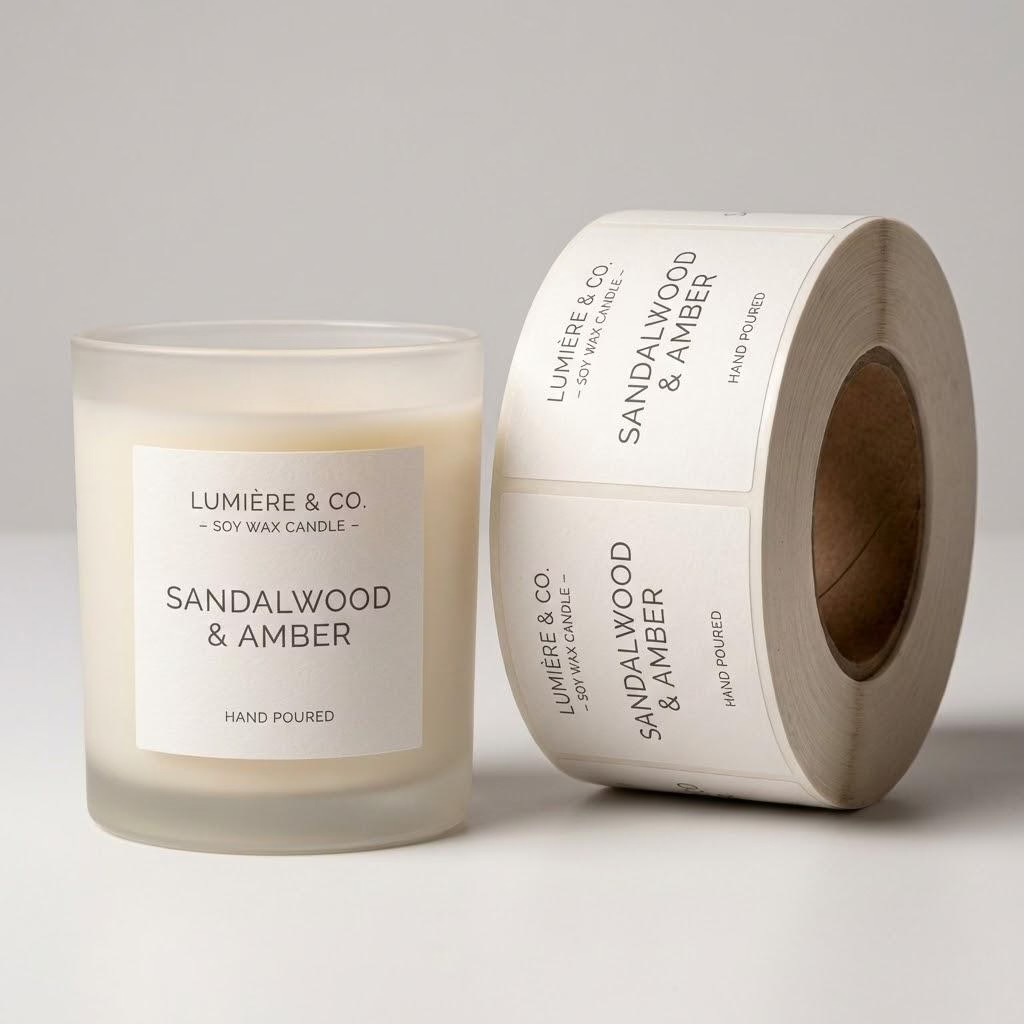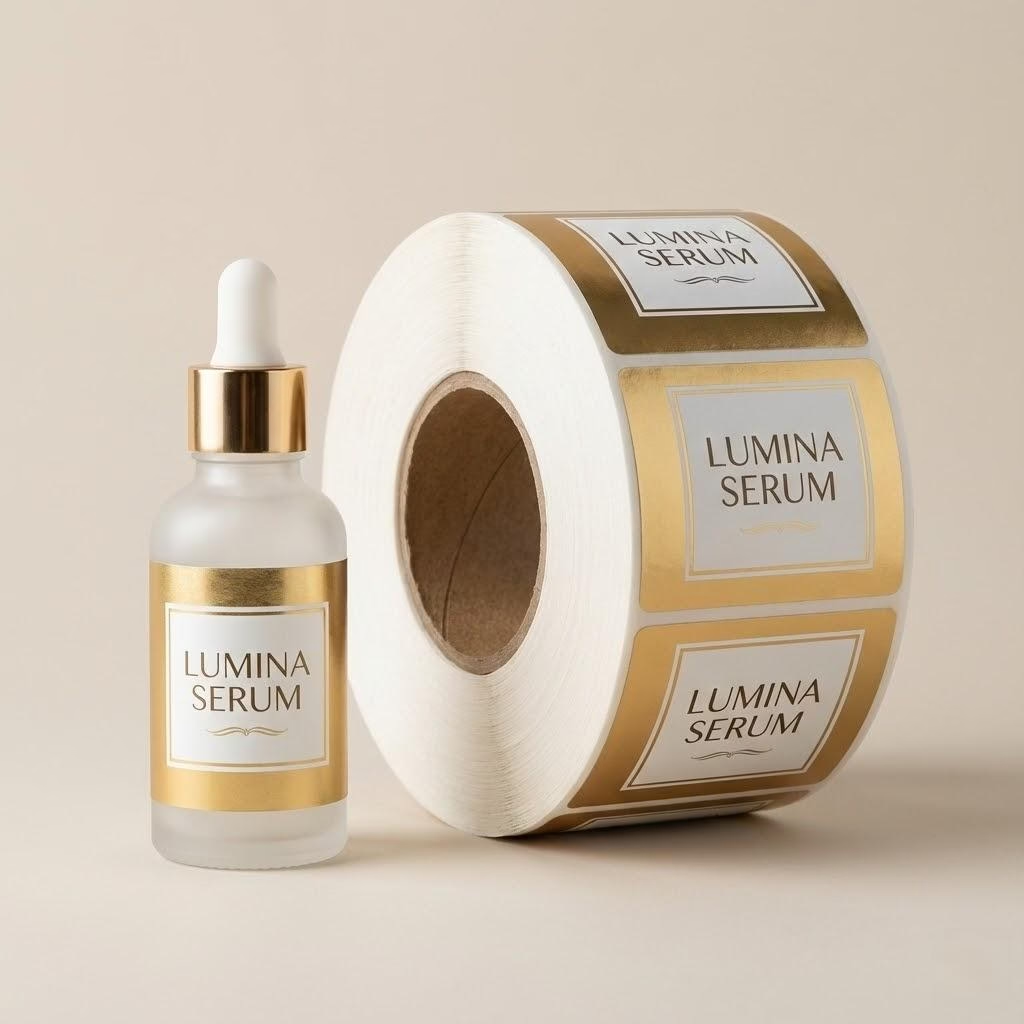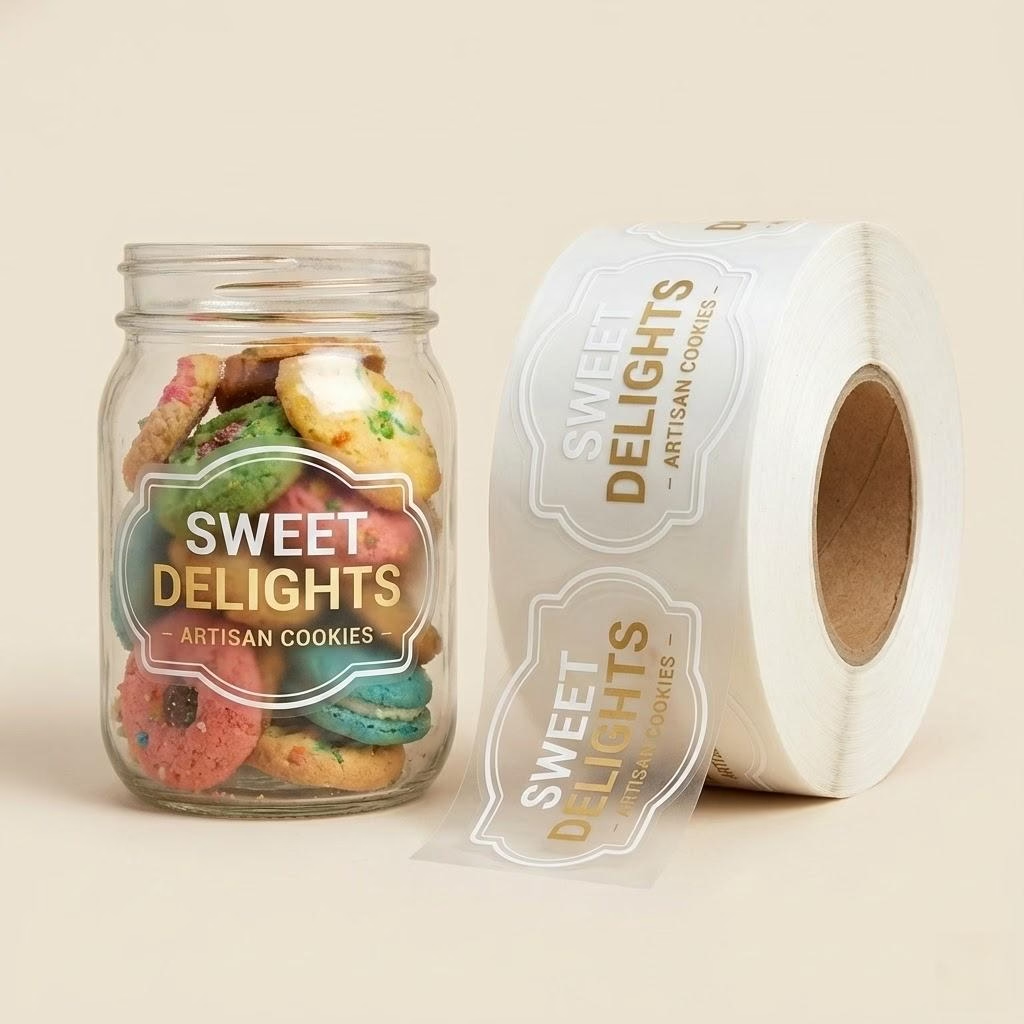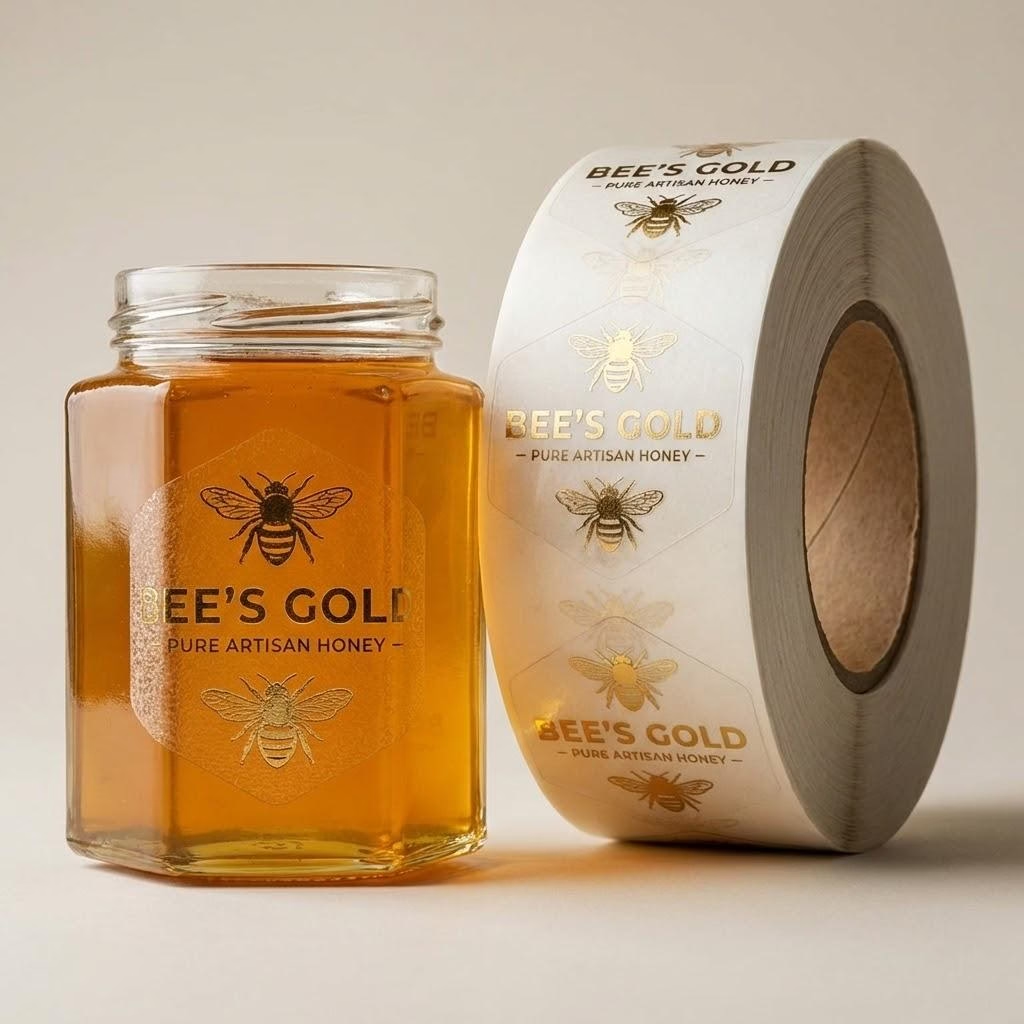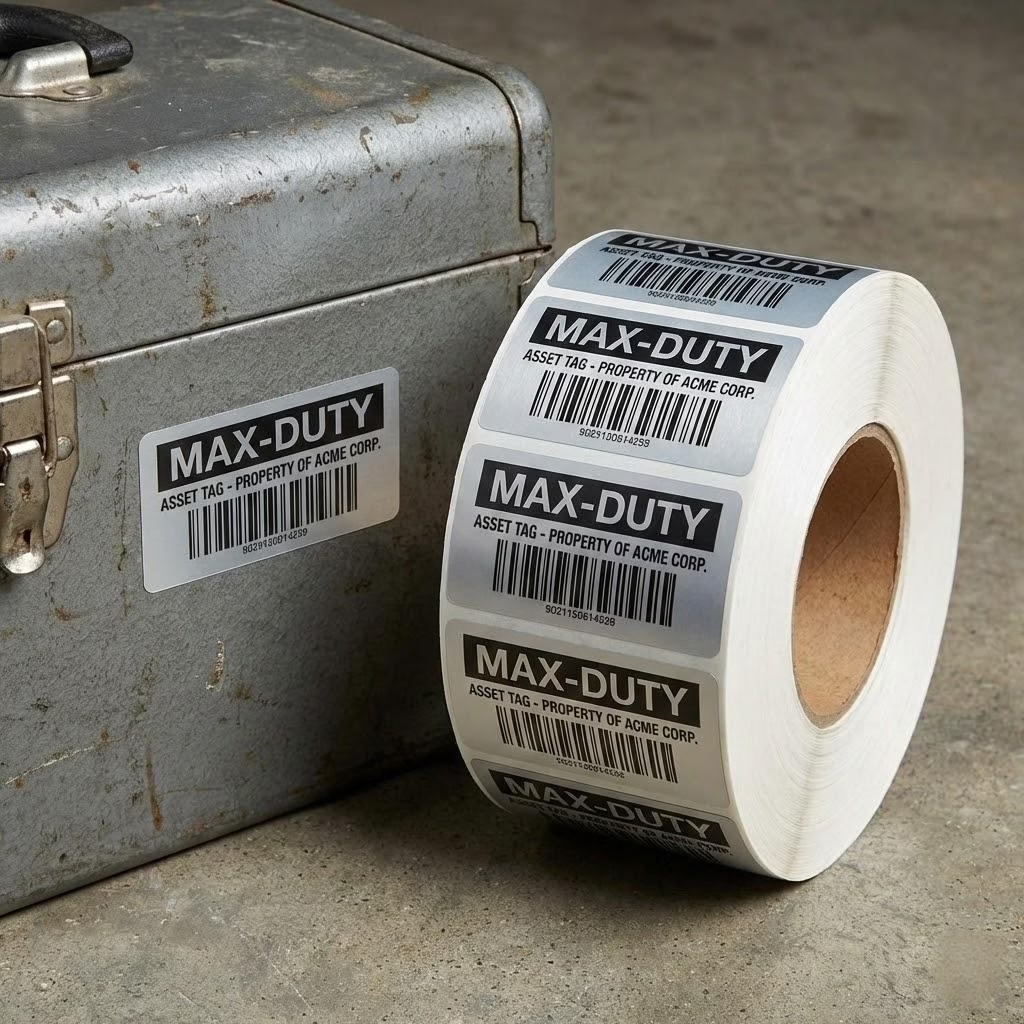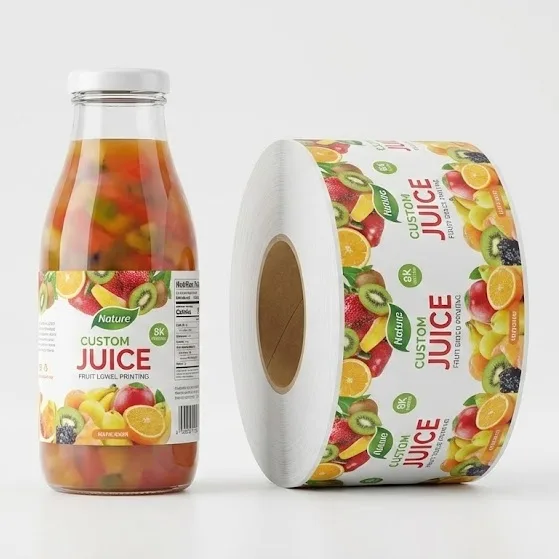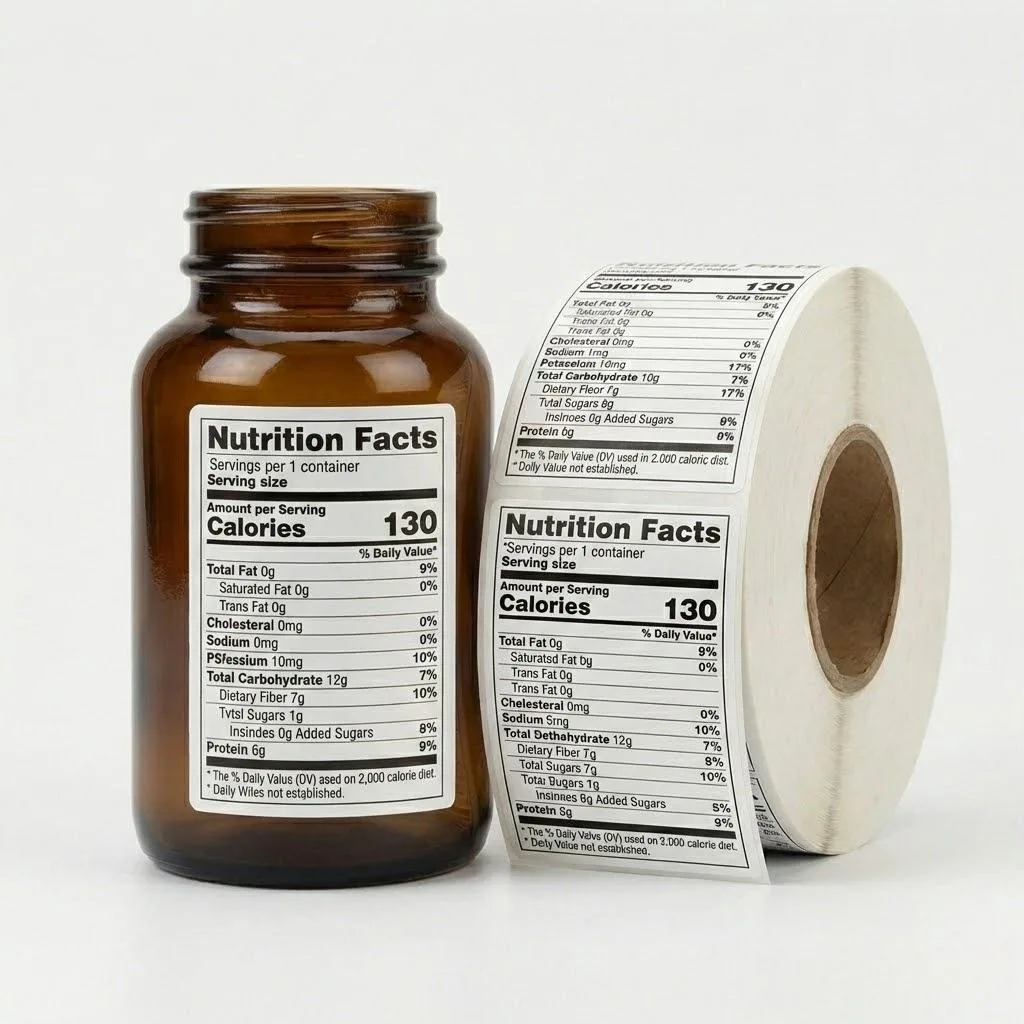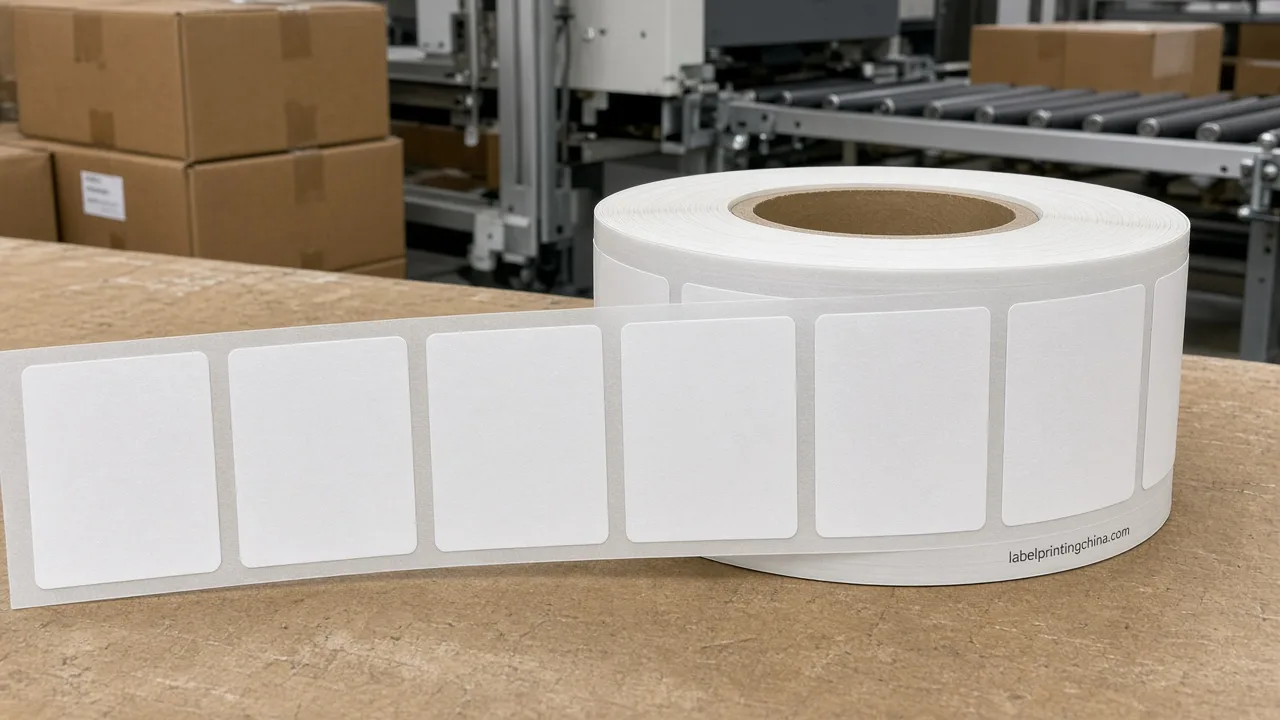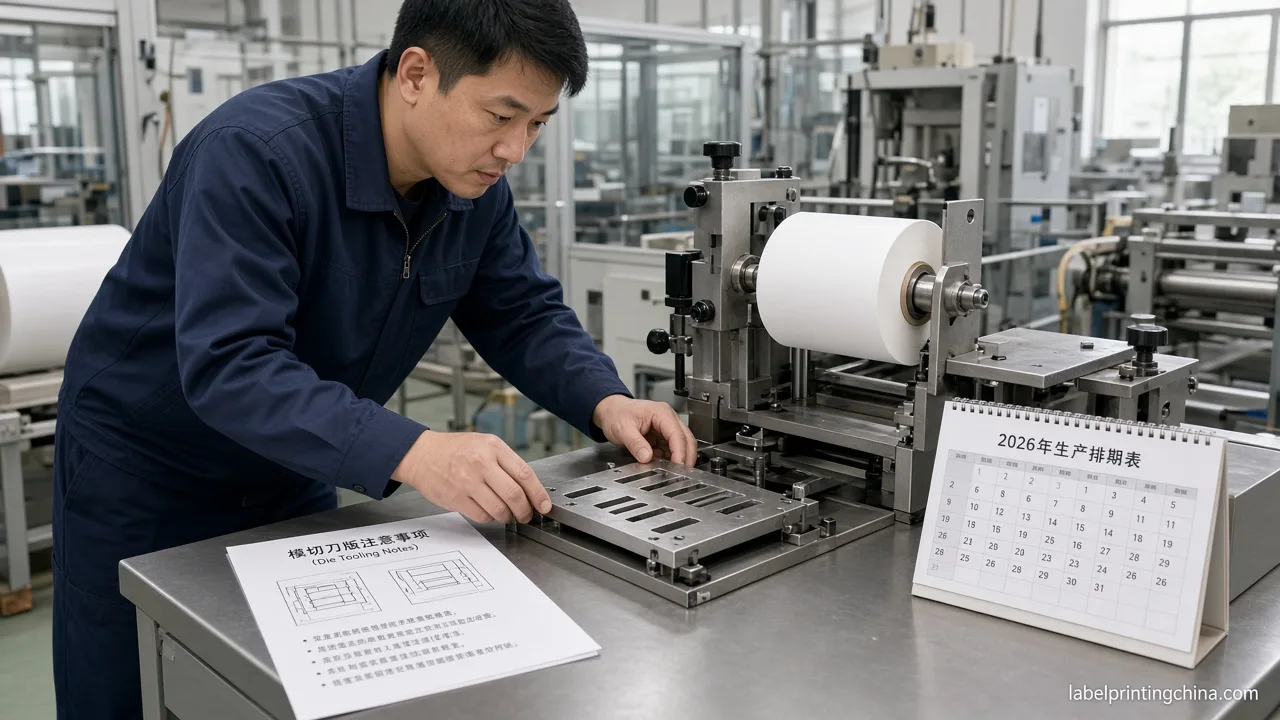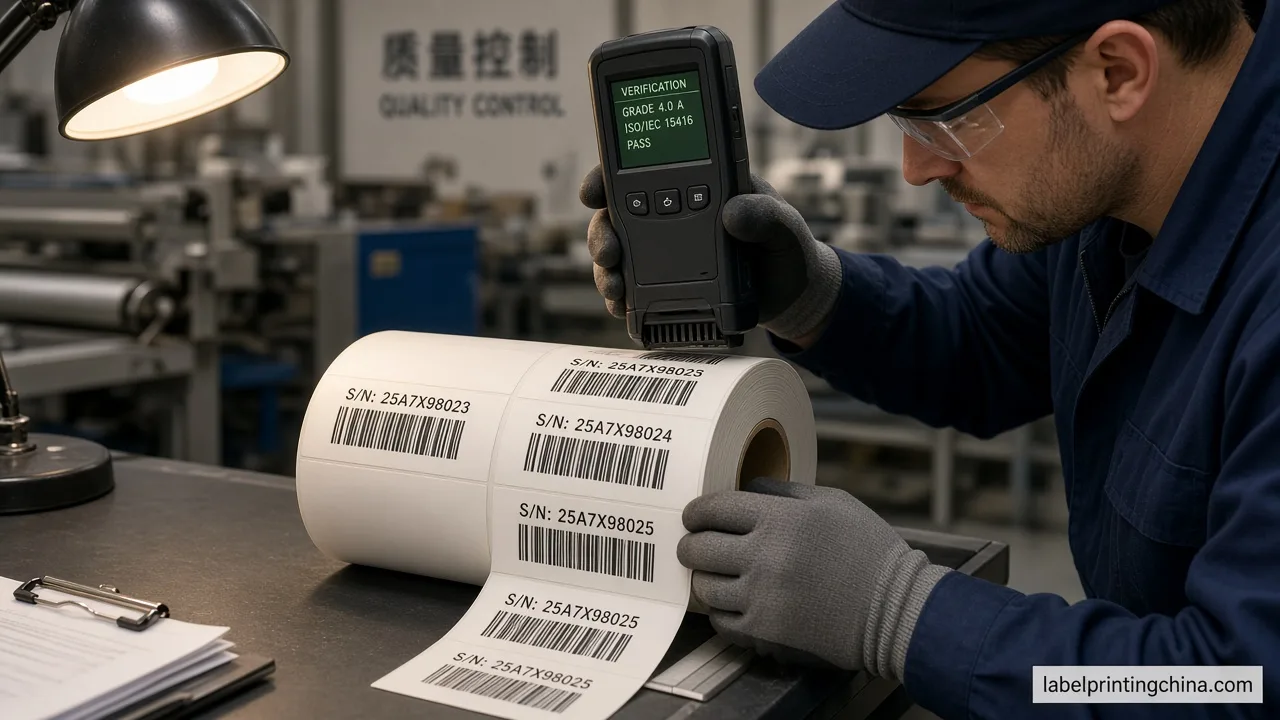
When a small bottle line is ready for machine apply, a size and a quantity rarely finish the RFQ. The bottle panel, the face stock, and the roll that has to mount on the applicator still have to land on one sheet—or the quote comes back as a guess about artwork instead of a mount-ready build.
Before you quote small bottle roll labels, lock bottle and labelable area, size, material, adhesive, and quantity, then core, max OD, gap, unwind, leading edge, and application—and mark which fields your applicator supplier must confirm.
This page gives you a copyable specification sheet for that job, shows which lines are print fields versus mount-critical roll fields, and points you to the deeper core/OD and vial-material guides only when you need them.
Measure the Bottle and Labelable Area First
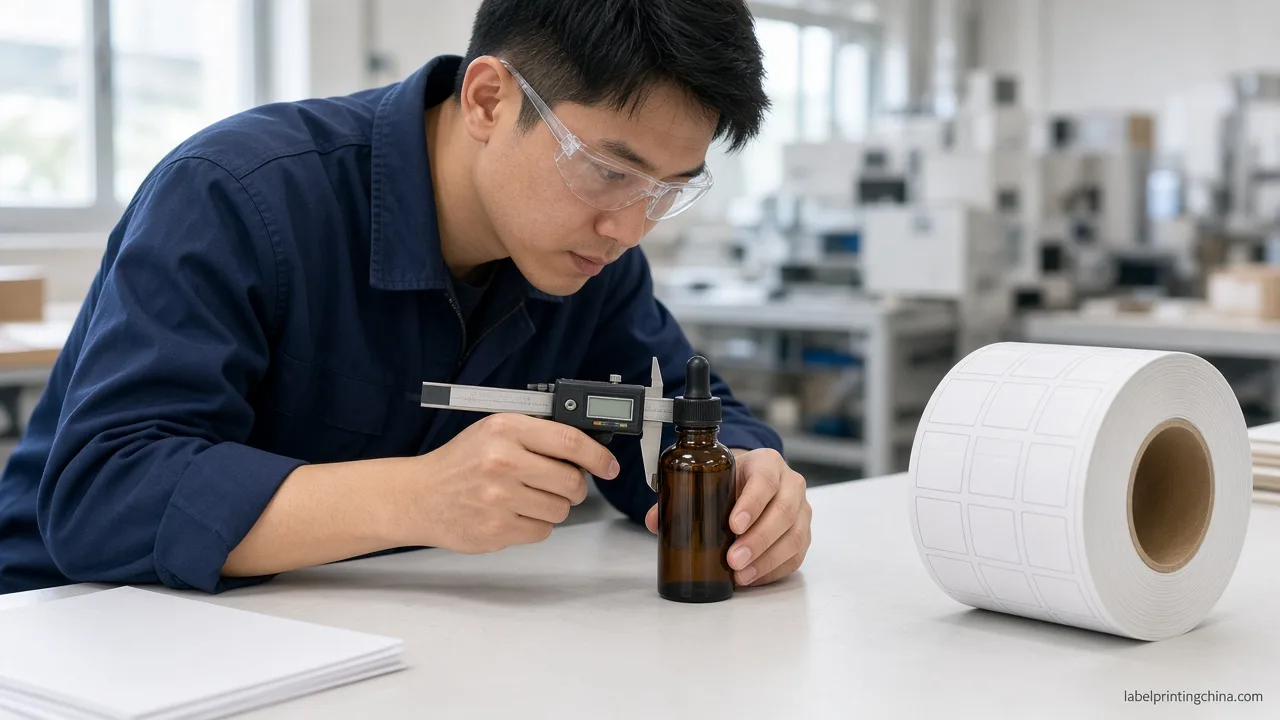
Capacity alone will not place a die. Write the measured bottle outside diameter or panel width, the height of the printable zone between shoulders or recesses, and whether the wrap is full, partial, or front-only—then the label width × height can follow the real curve instead of a catalog guess.
Buyer threads already show this habit: essential-oil and seasoning brands send bottle notes with size and roll format together, because a 55×120 mm wrap on amber glass is a different die from a short front panel on a dropper.If the bottle arrives cold, oily, or wiped before apply, put that surface condition next to the drawing so material choice is not invented later.
When the panel is tight, mark any emboss, seam, or existing mark the label must clear. A clean drawing with one reference from the base beats “10 mL bottle” on an email subject line.
Lock Size, Material, Adhesive, and Quantity Per SKU
Print fields still matter, but they should not crowd out the roll block. State finished width × height (and corner radius if it is not square), the face stock you want or the use condition if you need a recommendation, the adhesive class, and the quantity per artwork—not one blended total across flavors.
Material selection keeps showing up in real RFQs because wet bottles, oil fill, and fridge time punish the wrong face stock.White or clear BOPP for wet or wipe-prone packs, paper for dry hand-apply trials, and a named permanent or cold-capable adhesive beat “whatever you usually use.” Quantity per SKU belongs on the same row so digital pilots and later flexo scale stay comparable.
On Label Printing China’s published custom roll path, digital work can start at 500 labels per design and flexo becomes the economy conversation around 5,000—those floors sit on the money page and still need your material and SKU split before anyone treats them as a locked quote.
Complete the Roll Specs: Core, Max OD, Gap, and Unwind
A complete roll-label specification for quoting and machine application includes more than printed size: finished-roll core ID, maximum outside diameter, unwind/leading-edge orientation, and gap or sensing details must be documented with the container and material fields.Applies when labels will be dispensed or applied automatically, or when the buyer expects comparable quotes across printers; hand-apply short runs may omit some roll fields but should still record them before equipment upgrades. OEM education only—does not prove Zhongda capacity or search demand; does not replace applicator-manual confirmation of numbered unwind charts. Industry checklists such as Packaging HERO’s roll label specification guide and bottle-labeler RFQs make the same point—size-only briefs are why quotes look cheap and then fail on the spindle.
Machine-ready custom roll labels from Label Printing China ship with core ID options of 1″ or 3″ (±0.1mm), unwind positions #1–#8, die-cutting to ±0.3mm, and gap tolerance ±0.2mm, with digital MOQ from 500 labels and flexo economy from about 5,000.Applies to the published custom-roll-labels money-page production path when the buyer sends size, unwind, and quantity for a factory quote—not every specialty stock or unquoted multi-SKU split. Do not treat these tolerances as a guarantee that any blank RFQ will run without an applicator audit; max OD still must match the machine magazine. Those published numbers help you fill the sheet; they still assume you send size, unwind, and quantity so the factory can map the roll to your applicator before die-cutting.
Max OD is the magazine limit, not a freight optimization trick. Small bottle dies pack many labels per meter, so an oversized hero roll can jam a cage that would have accepted a shorter OD. If you need the physics behind 3″ cores and OD math, open the sibling 3-inch core and max roll diameter guide—this page only needs the values on your sheet.
Write unwind as a chart number plus leading edge (which artwork edge leaves the roll first), not “standard wind.” Chart number plus leading edge beats “standard wind” every time. Face-in versus face-out and the feed path decide whether the logo lands upright after the peel plate.
Mark Which Fields Need Applicator-Supplier Confirmation
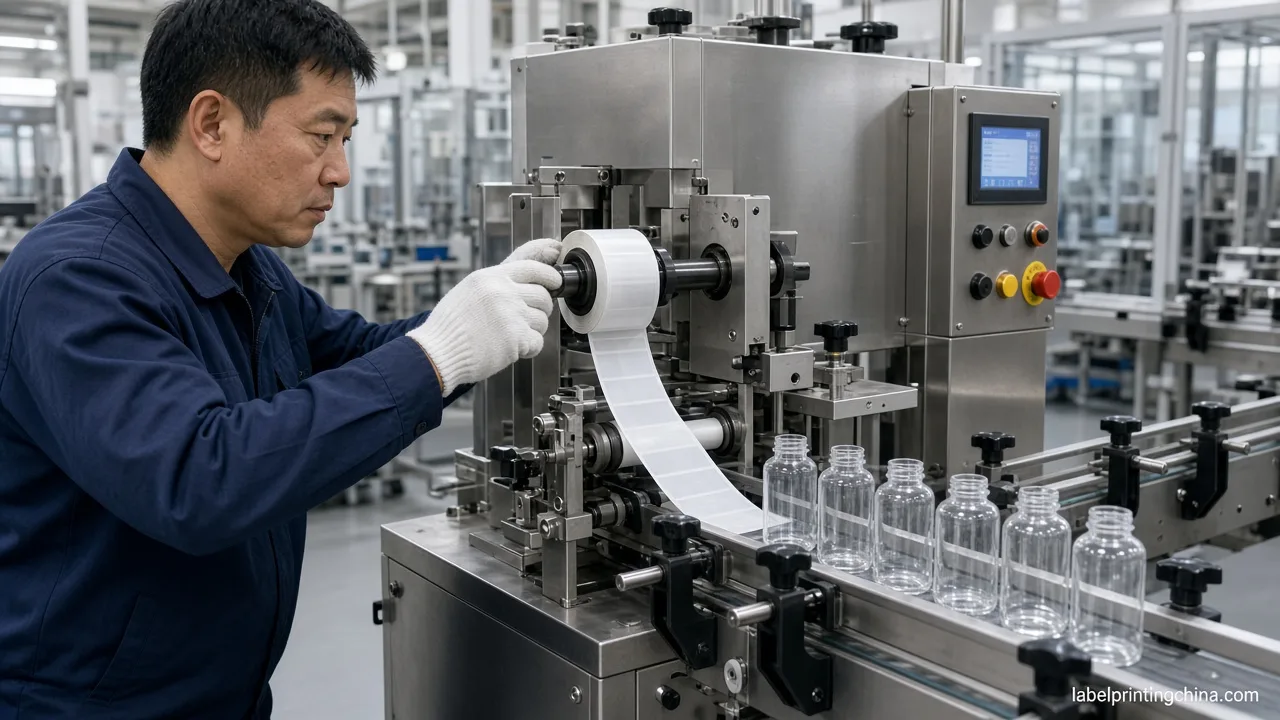
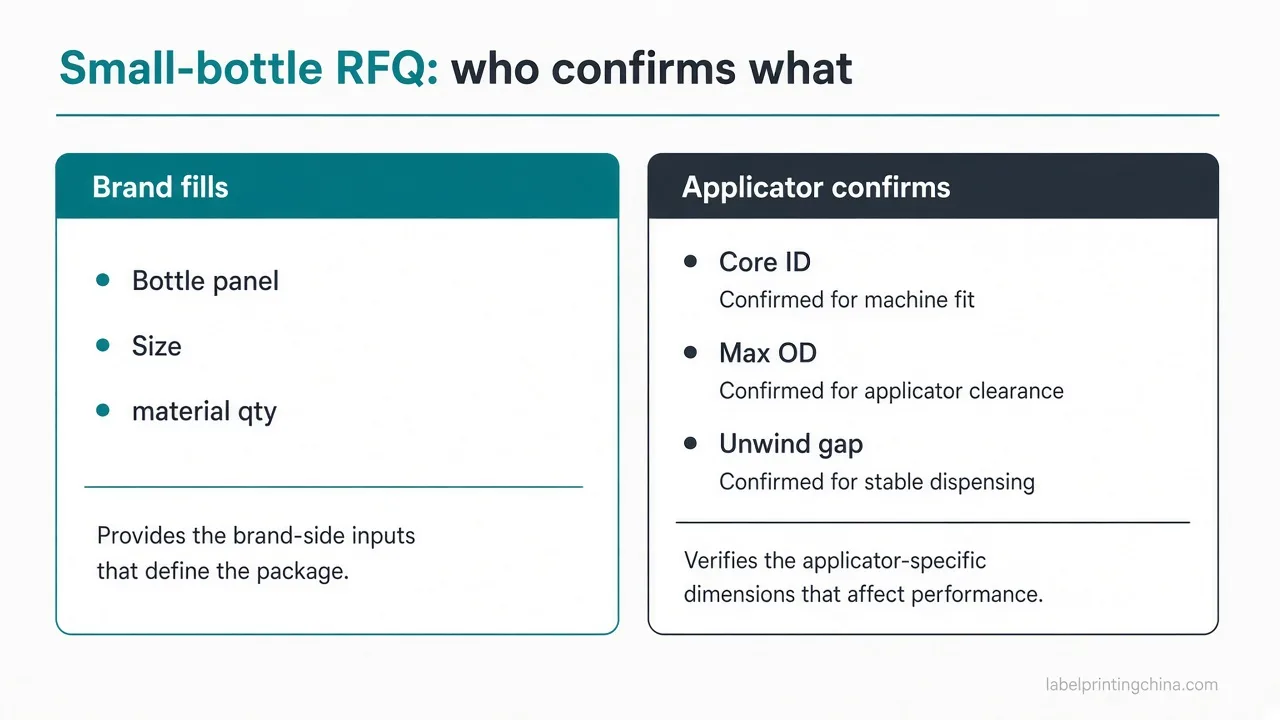
On a small-bottle RFQ sheet, mark core, max OD, unwind, gap/sensor, and liner notes as applicator-supplier confirmation fields when the brand team cannot verify the machine manual alone—so artwork and print fields do not silently substitute for mount-critical specs. Use when the buyer has an automatic or semi-automatic applicator, or plans to move from hand apply to machine apply.Does not assign legal liability; brands may still confirm fields themselves if they hold the manual. Machine-side RFQs such as Yaoshi’s bottle labeler checklist already ask for core, roll diameter, winding, liner, and gap before a line quote—brand sheets should mark the same rows when the manual is not in-house. Buyers who already name a Primera-class applicator in the RFQ are doing the right thing: the printer can match core and wind only after that model is on the ticket.
Keep print ownership on your side: bottle drawing, die size, face stock preference, adhesive class, quantity per SKU, and artwork status.Put a clear “confirm with applicator supplier / integrator” tag on core ID, max OD, unwind chart number, gap or black-mark geometry, and liner tensile notes when those live only in the machine book.
If your line is still hand-apply today but will move to a bench or automatic applicator next quarter, fill the roll block now anyway. Changing equipment without changing the roll construction is a common first-run failure mode.
Ready to quote machine-ready small-bottle rolls?
Send the completed specification sheet with bottle size, label size, material, core, OD, gap, and unwind direction.
Copy This Small-Bottle Roll Label Specification Sheet
Use the table below as the paste-ready brief. Fill what you know, leave “confirm” where the applicator manual owns the answer, and send the same sheet to every printer so quotes stay comparable.
| Field | What to write / who confirms |
|---|---|
| Bottle + labelable area | Measured OD/panel, printable height, wrap type; brand owns drawing |
| Label size + shape | W×H, corner radius or dieline; brand owns |
| Material + adhesive | Named face stock or use conditions (wet/oil/fridge/wipe); brand + printer advise |
| Quantity per SKU | Count per artwork/component—not one blended total; brand owns |
| Core ID | 1″ or 3″ (or exact mm); mark applicator supplier if manual is unavailable |
| Max roll OD + labels/roll | Magazine limit and changeover target; mark applicator supplier |
| Gap / sensing | Gap, black mark, or clear-label sensor notes; mark applicator supplier |
| Unwind + leading edge | Chart #1–#8 + which edge leads; mark applicator supplier |
| Application method | Hand, semi-auto, or automatic + make/model; brand owns, supplier confirms mount |
Pharma or 3–10 mL vial programs that also need face-stock and adhesive routing for fridge or IPA wipe should keep that construction on the sibling pharma vial labels material and roll spec; this sheet stays the general small-bottle RFQ frame and links there as the industry case.
For numbered unwind diagrams alone, the unwind directions for label applicators guide stays the chart reference; paste the chosen number back into the sheet above.
Send the Sheet With the Quote Pack
Once every row is filled or tagged for confirmation, the next step is operational: attach the bottle drawing, the sheet, and artwork status, then ask for a factory quote on the custom roll labels path so core, OD, and unwind are audited before press—not after a failed first roll.
You leave with a single brief your purchasing and packaging teams can reuse, and a clear split between what the brand must decide and what the applicator documentation must confirm. That is enough to stop size-only RFQs from becoming remakes.