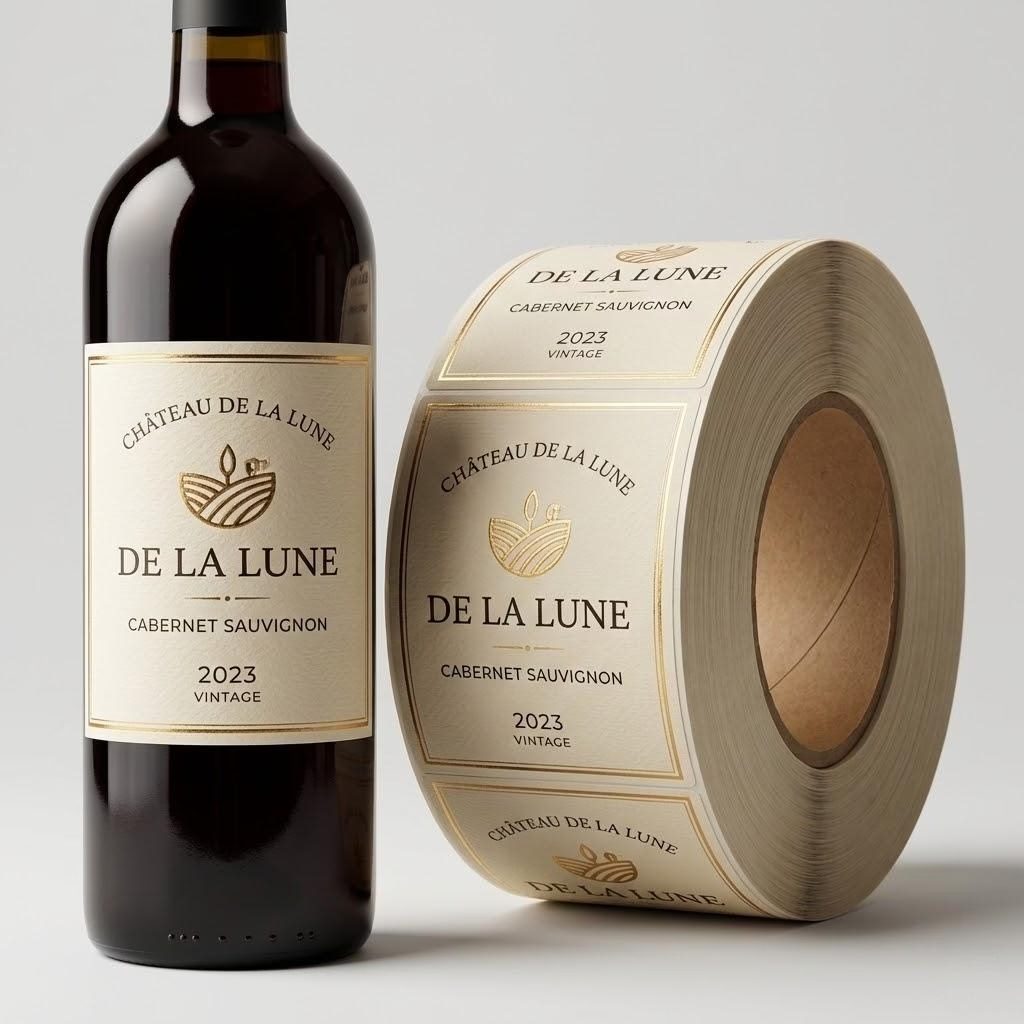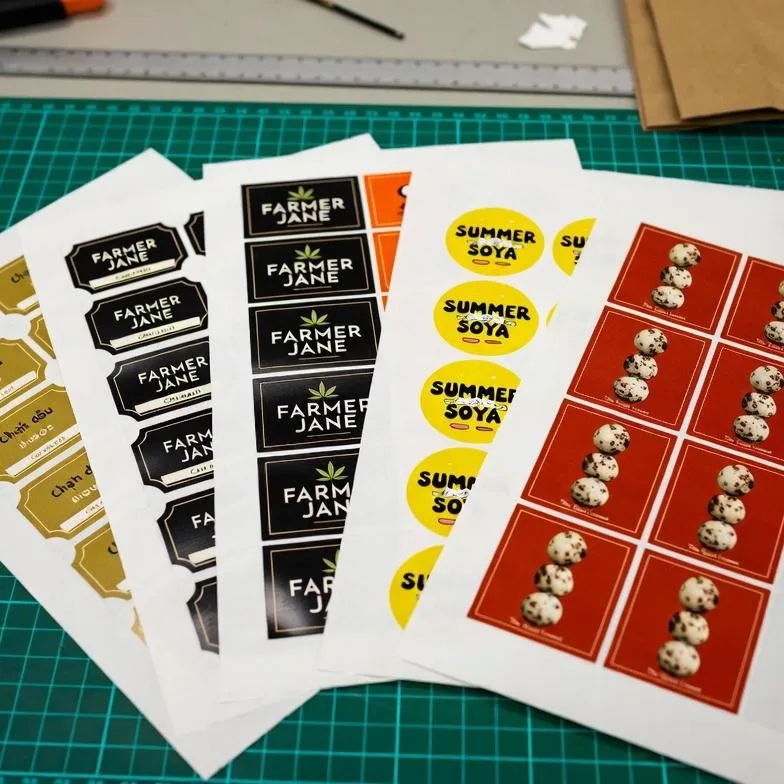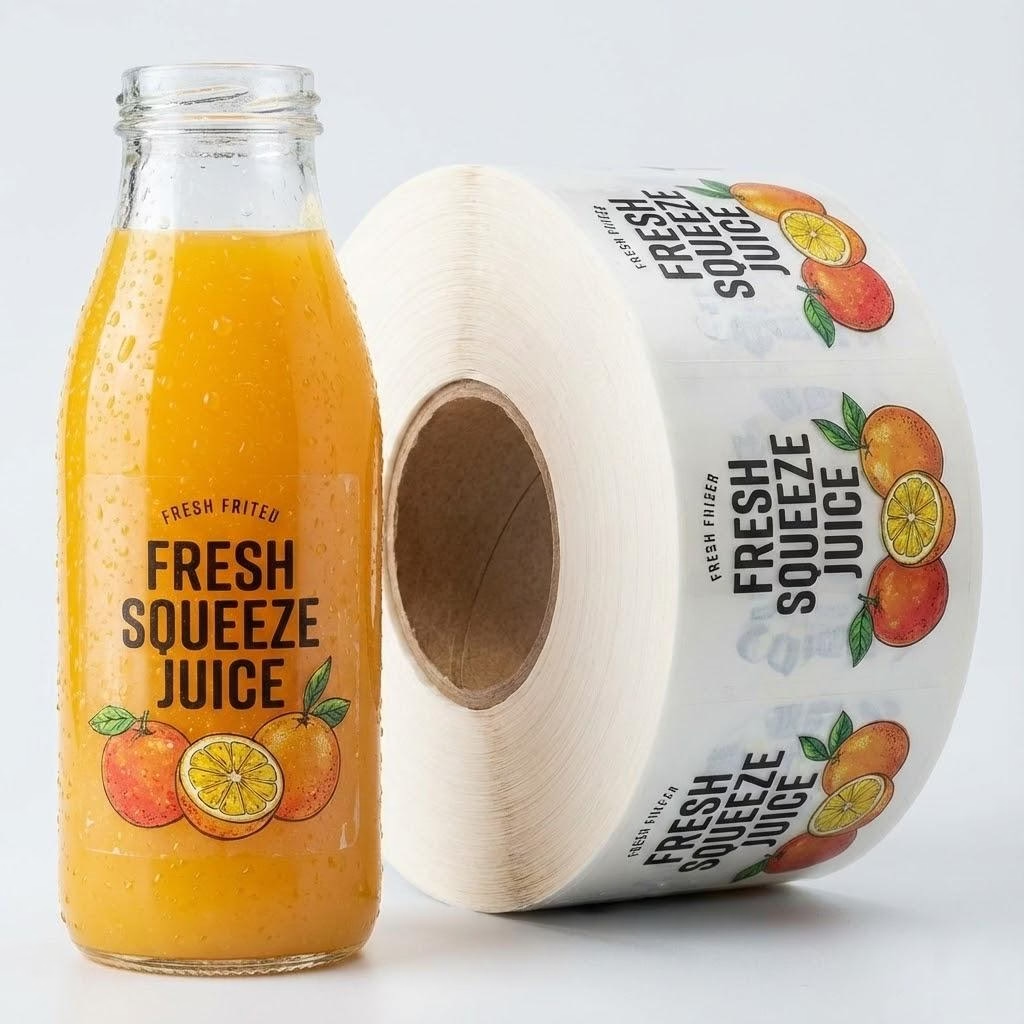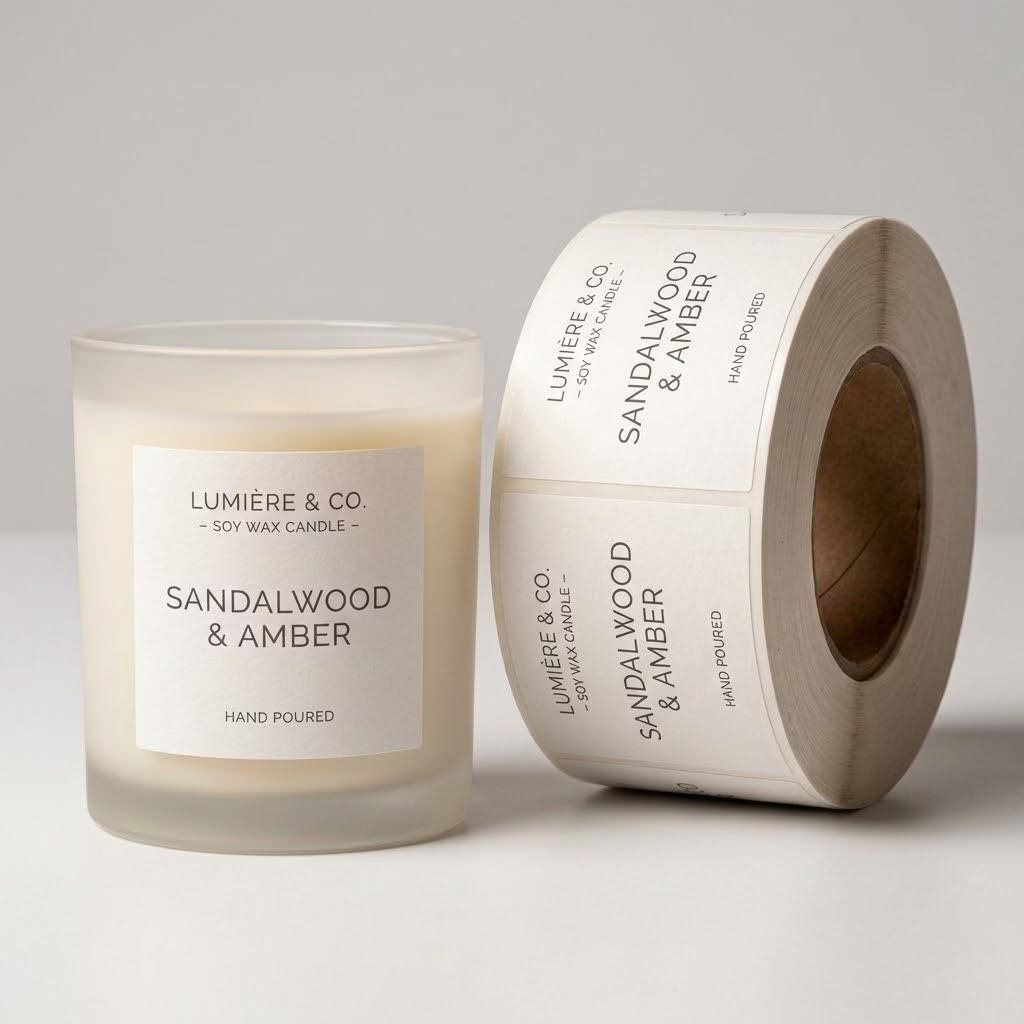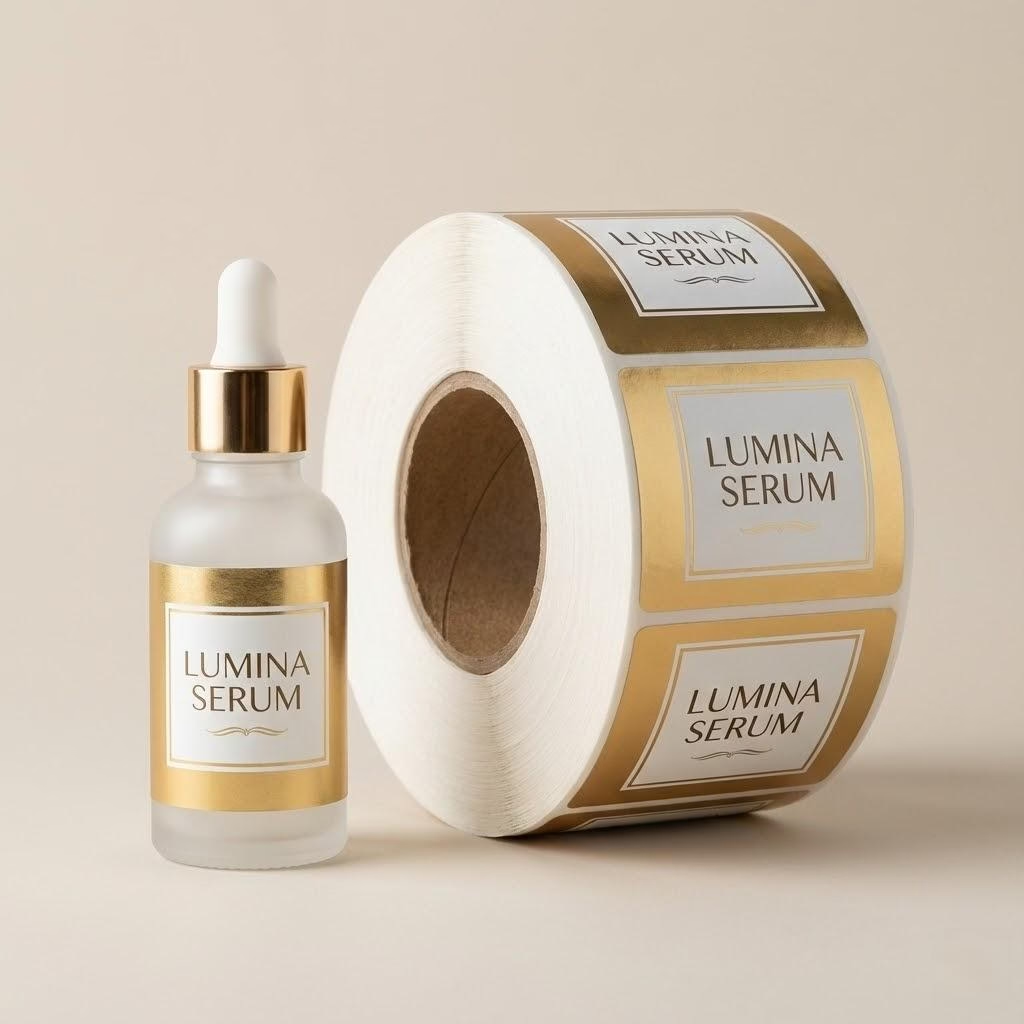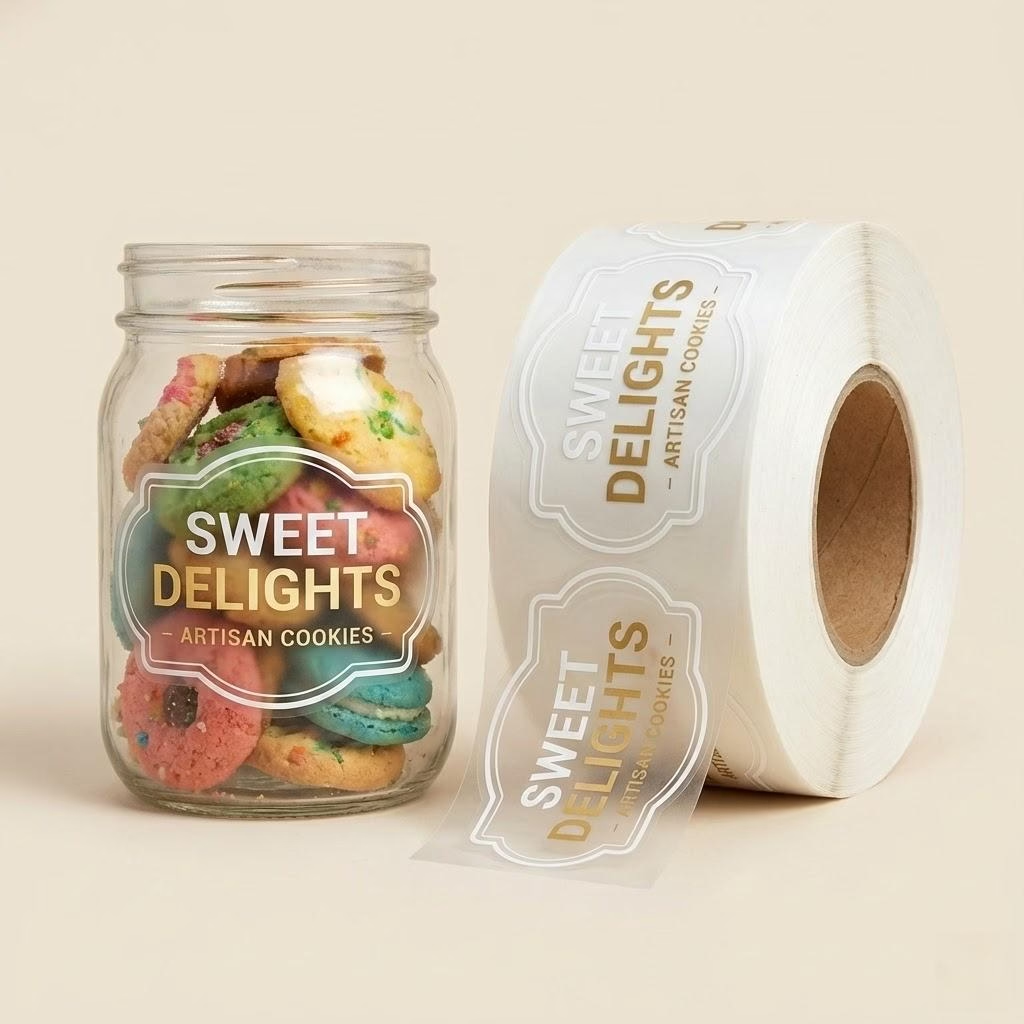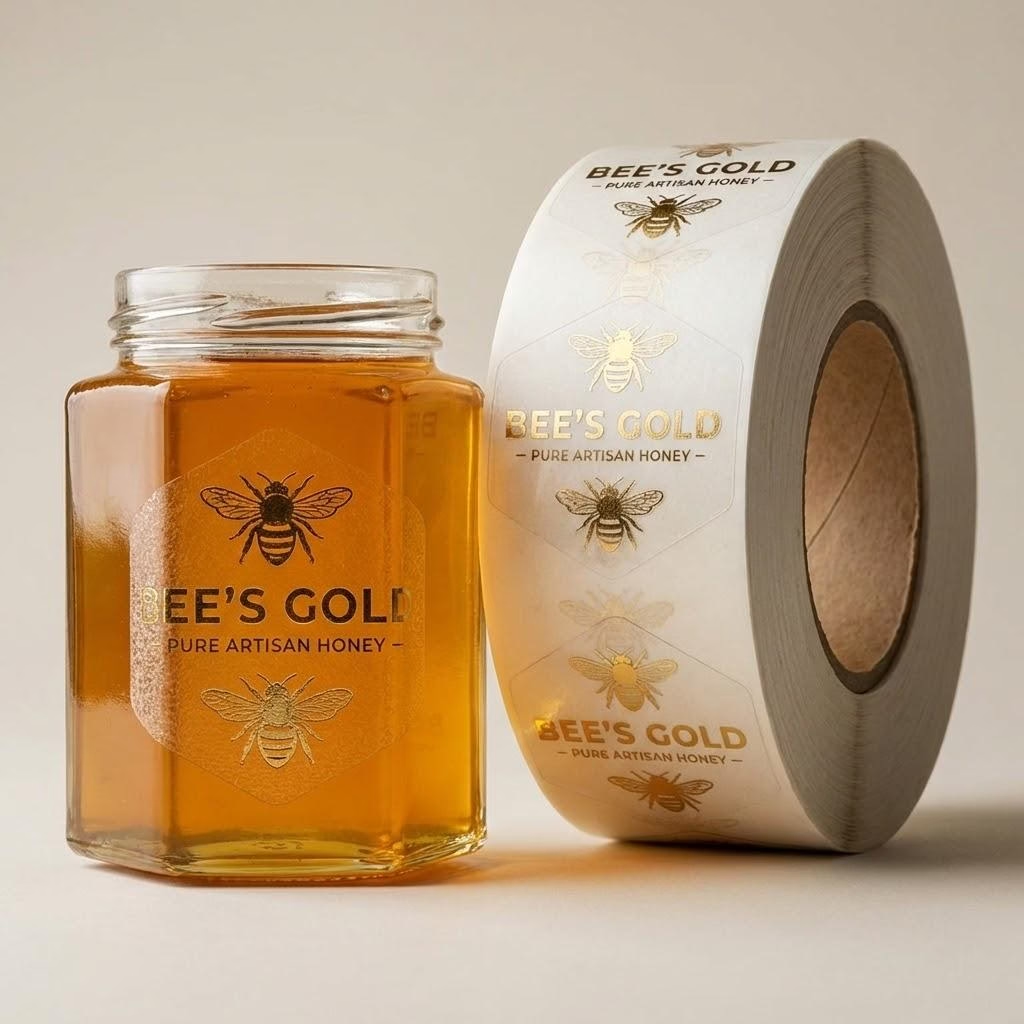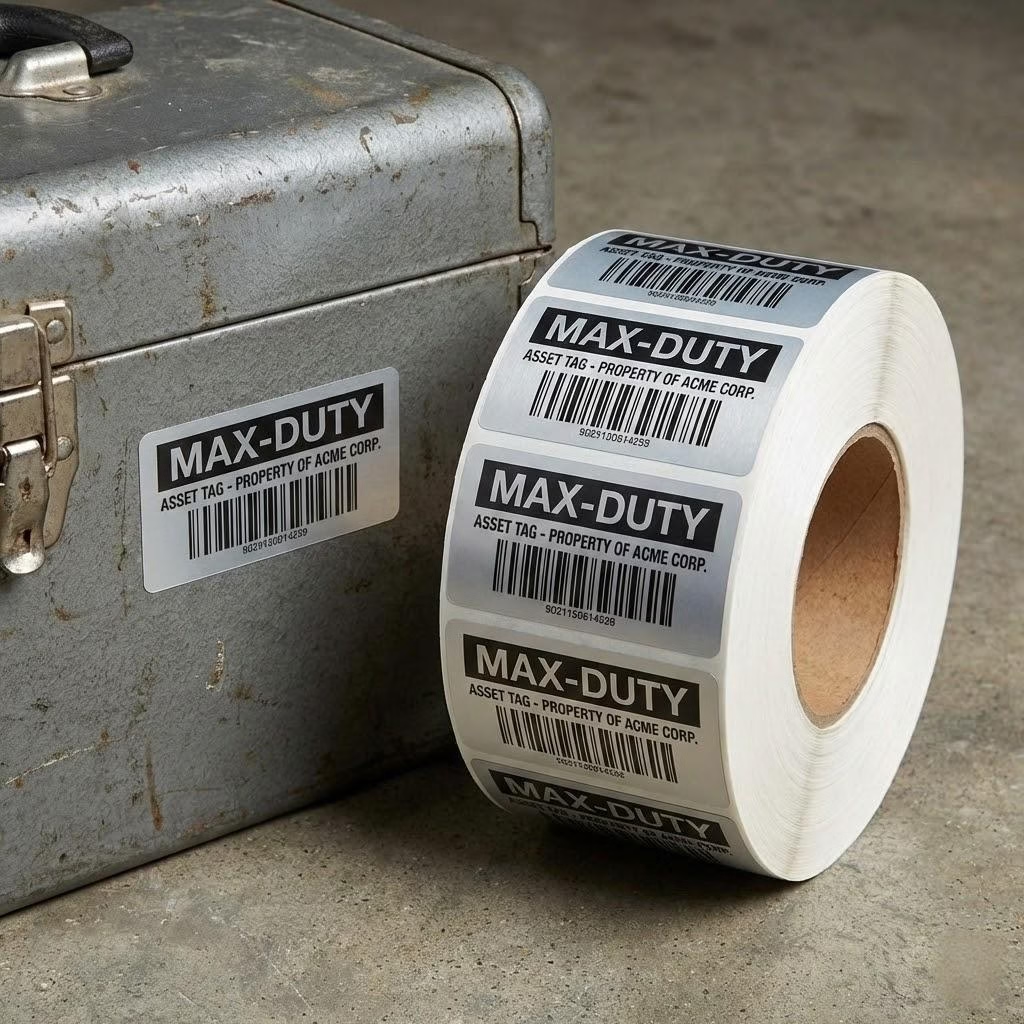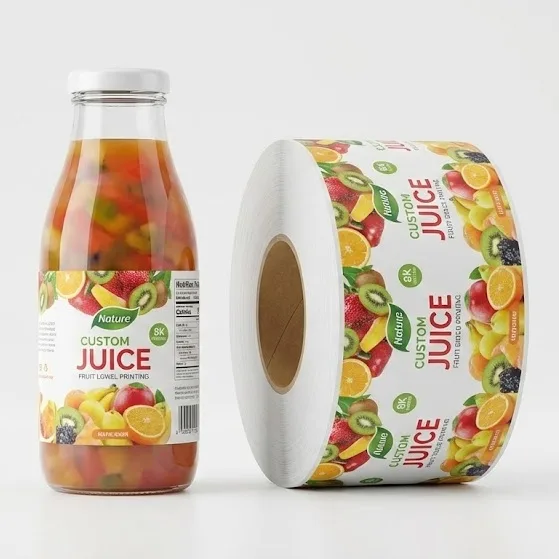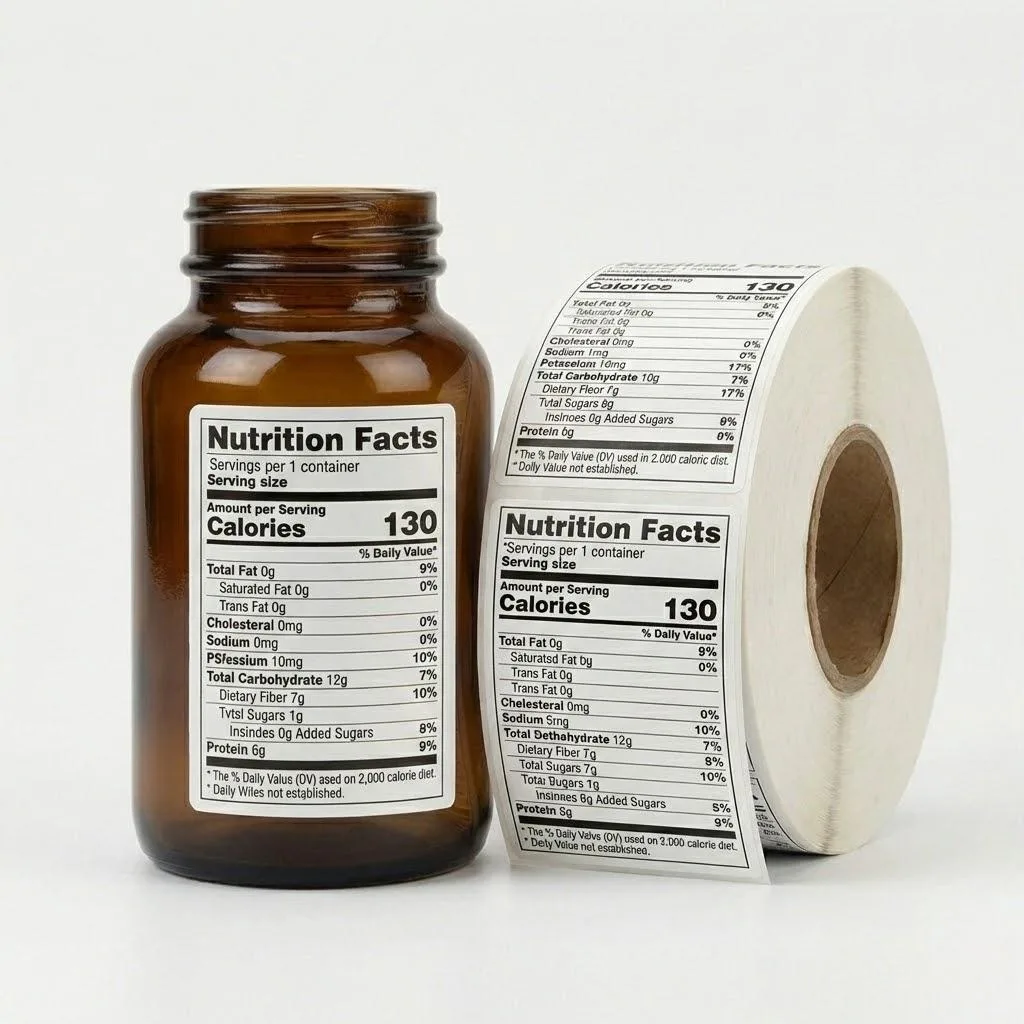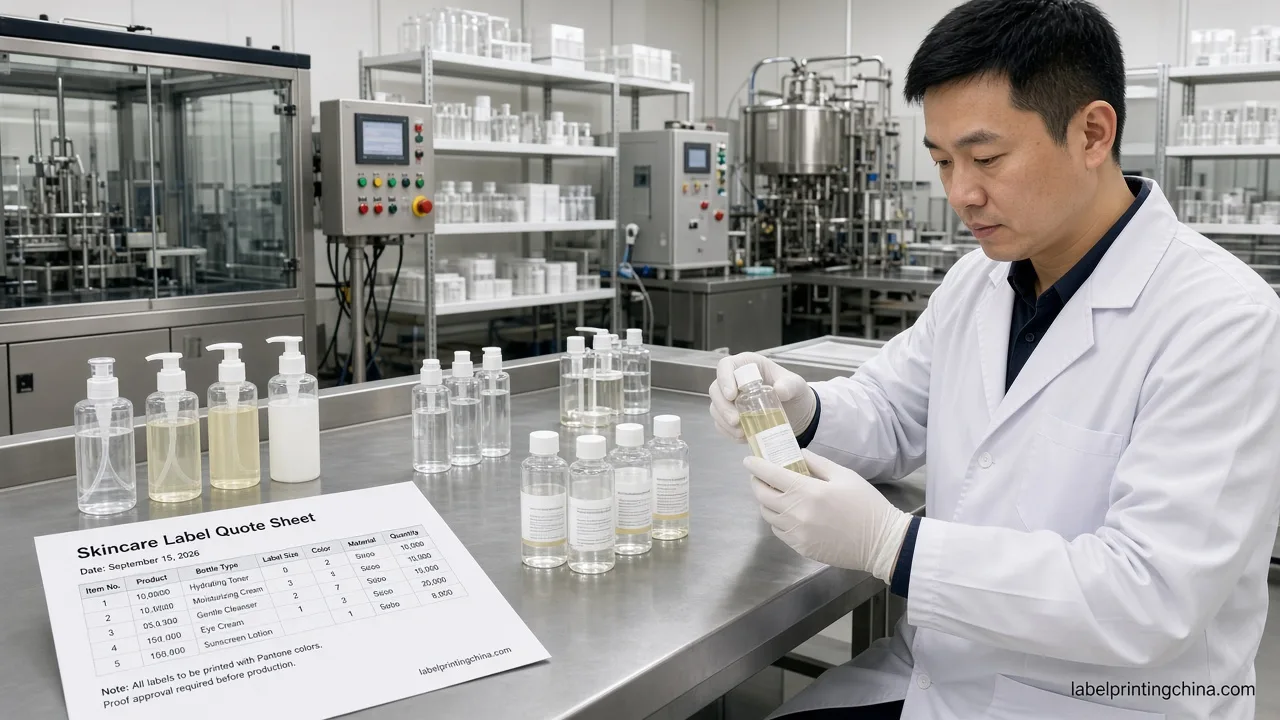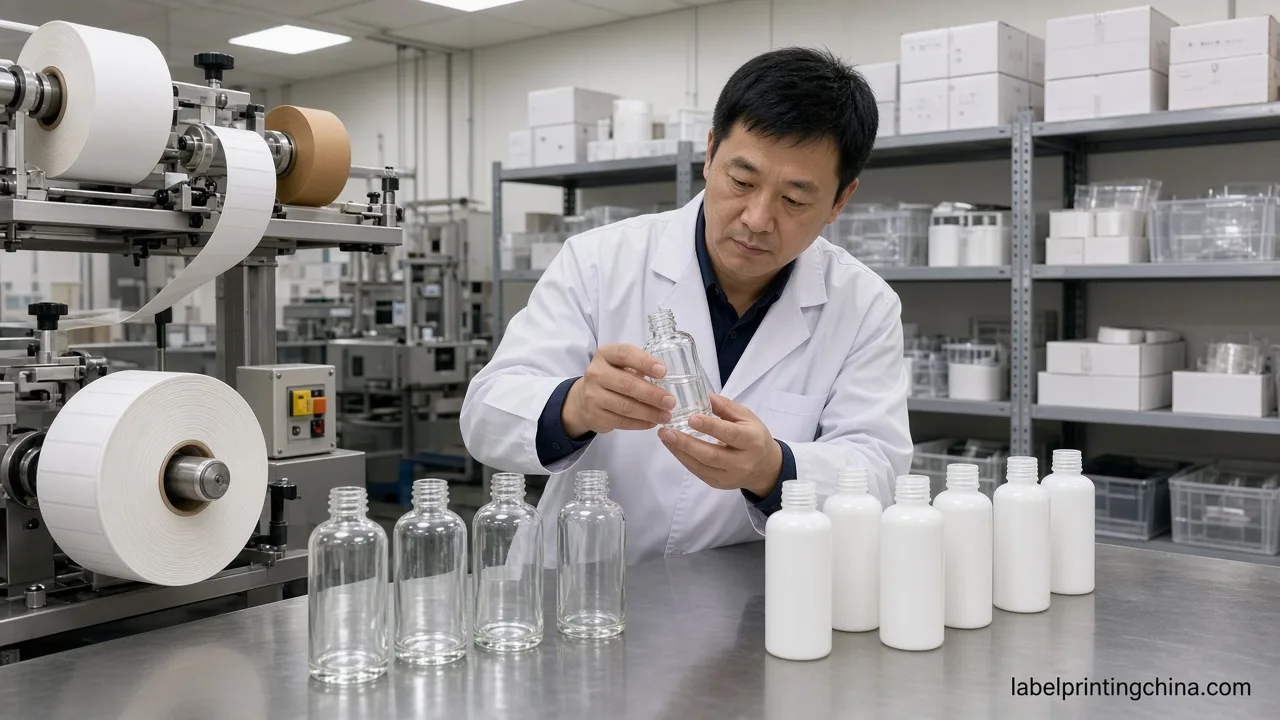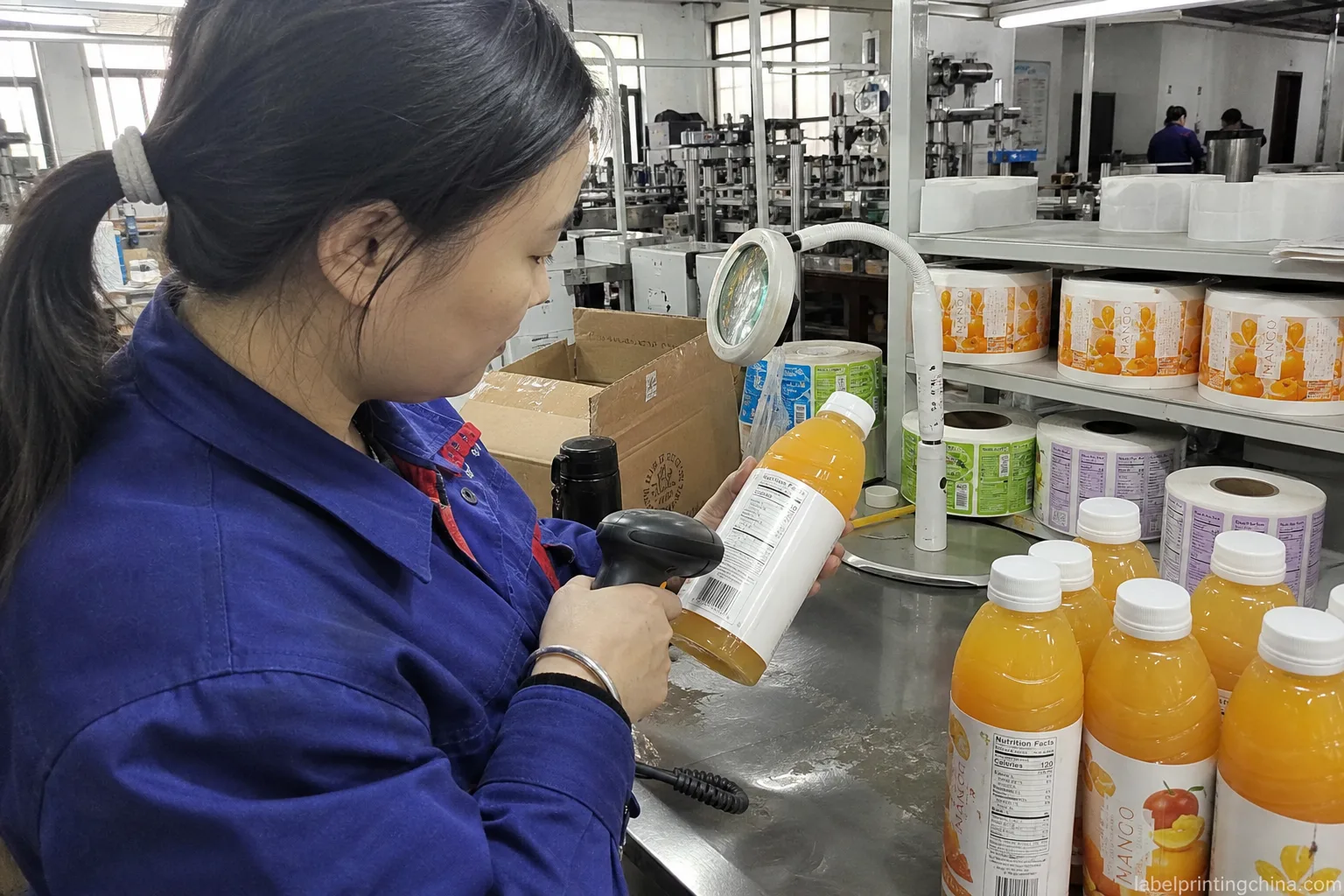
Two quotes just landed—one die-cut, one kiss-cut—and the sticker blogs only ask which looks “premium.” What actually stalls you is peel, applicator fit, and whether the first carton frays or shows white edges.
Choose by how labels leave the liner and hit the pack: kiss-cut for sheet or easy-peel runs, die-cut for standalone contour product labels—then clear Cut Spec Gate before you lock production.
What this means: use the Application Match table, Cost Drivers table, and Cut Spec Gate rows below so cut depth, tooling, and artwork checks sit in the same approval—not a vibe contest between two unit prices.
Cut Depth in One Minute
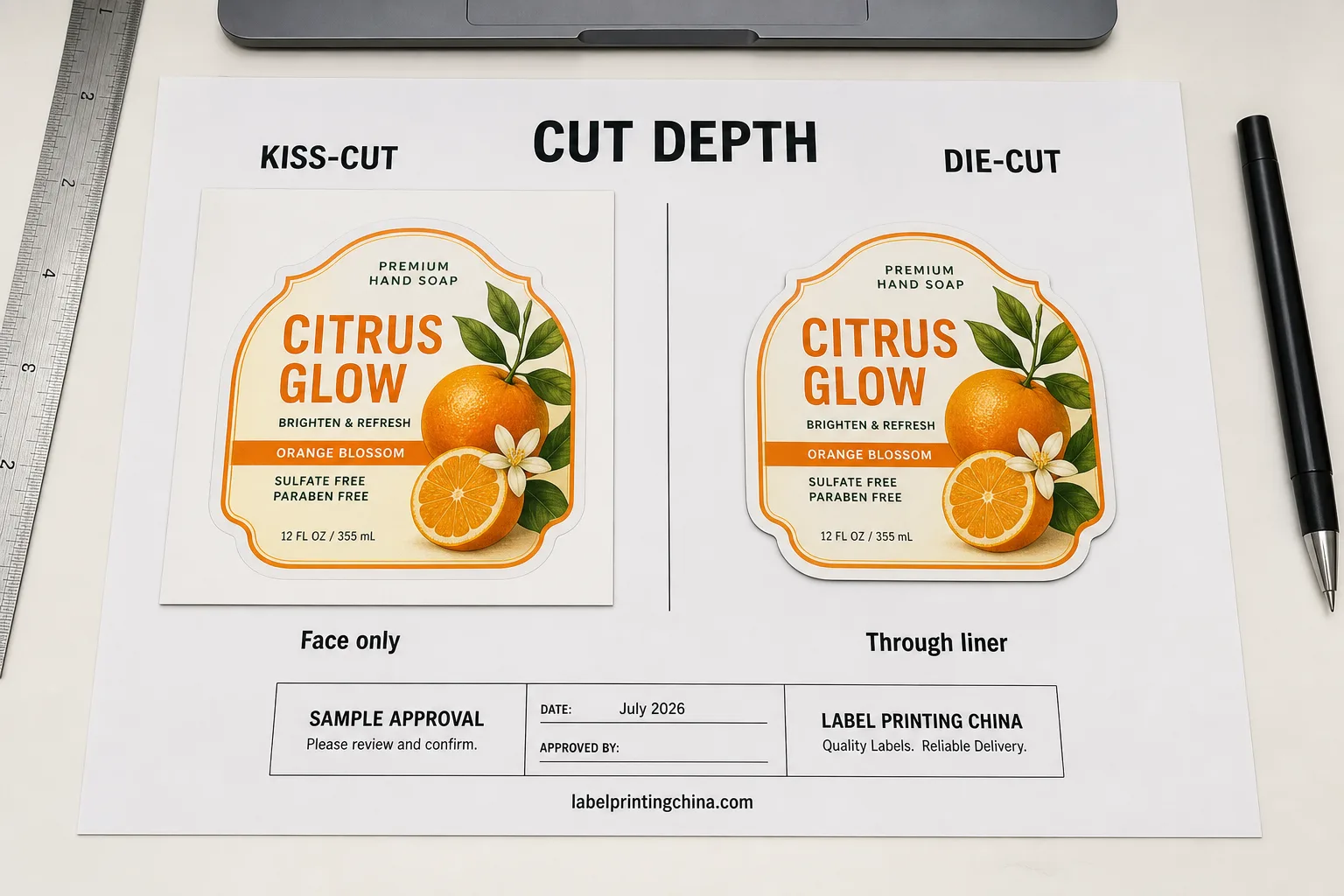
Kiss-cut slices the face stock only. The liner stays whole, so each shape sits on a shared sheet or roll until you peel it.
Die-cut drives the knife through face and liner. You get a finished silhouette with backing cut to the same outline—no surplus frame around the design.
Once applied, both can look identical. The fight is delivery, peel, scrap, and whether your line can take the roll without babysitting every piece.
Write the cut depth on the RFQ in plain language: “kiss-cut — face only” or “die-cut — through liner.” Vague “custom shape” language is how plants guess wrong and you pay for a second knife.
Material and adhesive can stay identical across both cuts. Do not let a sales deck swap film “to make the cut easier” without a new adhesion and applicator trial.
Match Cut Depth to How You Apply Labels
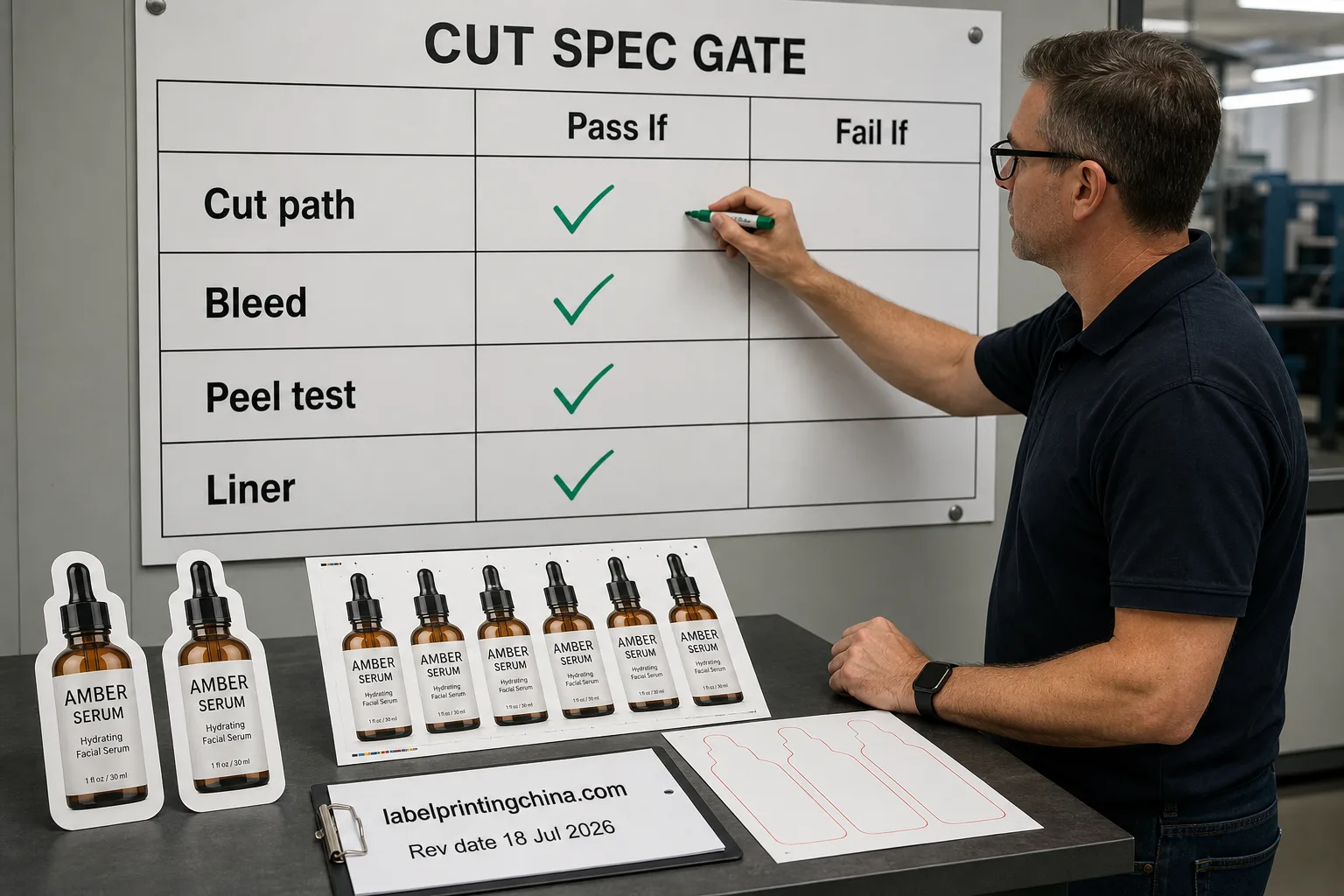
Start with the station, not the mood board. Hand-applied promo packs and auto-applied bottle labels rarely want the same cut depth.
Photograph the peel point on your applicator or the glove of the person who applies by hand. That photo belongs in the RFQ next to the art file.
| Application reality | Lean kiss-cut when… | Lean die-cut when… |
|---|---|---|
| How staff peel | Need a liner edge to grip; many small or spidery shapes | One label, one backing piece; shape is large enough to lift cleanly |
| Delivery format | Sheets, multi-SKU panels, fulfillment inserts | Individual contour pieces for shelf packs or merch packs |
| Auto applicator | Roll kiss-cut with stable matrix, correct sense marks, peel angle matched to head | Usually not first choice for high-BPM dispense unless plant engineers the web specially |
| Brand look before peel | Extra liner frame is fine or useful for print around the cut | Need the “finished object” silhouette in hand before apply |
Read the Application Match table row by row against your line photo—not against a laptop sticker gallery. If operators already fight thin necks on die-cut pieces, kiss-cut buys peel control.
A beverage team once ordered “premium die-cut” for a 200+ BPM wrap because blogs called it cleaner. The roll lacked a reliable matrix and sense pitch; the head starved mid-shift until they re-cut kiss-cut with applicator specs on the PO.
If your program is machine-fed rolls, treat unwind, core, and cut depth as one packet—the same discipline as our custom roll labels briefs—before you argue which option looks sharper on a desk.
Ask the plant for matrix strip samples from the same web, not only pretty singles. A nest that looks dense in a PDF can tear into the sensor window once the press runs warm.
For hand lines packing gift sets, time ten peels with a stopwatch. If die-cut adds more than a second per unit versus kiss-cut, the “premium silhouette” is buying overtime.
Red flags: choosing cut depth from consumer sticker blogs only; quoting without peel-angle / matrix notes; mixing hand-apply sheet rules with auto-roll rules on one SKU.
Die-Cut vs Kiss-Cut for Product Labels
Use this comparison when both quotes look “the same material” and you need a buyer-facing scorecard for brand and procurement.
| Factor | Kiss-cut | Die-cut |
|---|---|---|
| Cut depth | Face only; liner intact | Face + liner through-cut |
| What you hold | Shape on a sheet or continuous liner | Standalone contour piece |
| Peel speed | Usually faster for small or intricate art | Fiddly on tiny points / thin bridges |
| Edge protection in transit | Liner shields fine edges | Edges more exposed until packed well |
| Best product-label fit | Promo sheets, multi-up, easy peel stations | Hero contour labels, gift-with-purchase shapes |
| After application | Same look if material, adhesive, and finish match | |
When the brand wants a true bottle silhouette with no frame in hand, die-cut is the default conversation—then pressure-test peel and scrap on a real sample, not a PDF mock.
Round sharp internal corners on the cut path before you romanticize “exact logo edges.” Hairline internal angles tear on peel whether you paid for steel or digital knife.
Keep adhesive grade tied to the pack surface in the same meeting as cut depth. A freezer jar and a dry carton can share a silhouette and still need different bond—cut style will not fix wrong tack.
For production geometry and finish options on contour work, keep the capability page for custom die cut labels open while you score the table—use that page for what the plant can cut, this guide for which cut depth to order.
Cost Drivers Beyond “Which Cut Is Cheaper”
Ranking guides contradict each other on price because they hide tooling and waste. Ask what is amortized, not which buzzword is “usually cheaper.”
| Cost lever | What to ask on the quote | Buyer takeaway |
|---|---|---|
| Tooling | Steel/flex die vs digital knife; who owns the tool; reorder fee | High SKU count + stable shape → amortize a physical die; short tests → digital |
| Shape complexity | Internal cutouts, sharp internal corners, tiny bridges | Complexity raises die cost and scrap—kiss-cut may still win on peel labor |
| Waste / matrix | Matrix strip success rate; nest density on the web | Pretty nests that tear on press are not a unit-price win |
| MOQ & changeovers | Plate/die setup, ink washes, SKU change minutes | Five shapes on one kiss-cut sheet can beat five separate die-cut setups |
| Handling labor | Seconds to peel × units per shift | Cheap die-cut that tears at peel is the expensive option |
A cosmetics buyer paid a die deposit for one ornate contour across three scents, then learned each scent needed a nest tweak billed as a “new tool.” After that, every Cost Drivers table review lists tool ownership, SKU count, and whether digital knife covers the pilot before steel is cut.
Put a simple rule on the buyer checklist: digital knife for pilots and volatile shapes; physical die only after shape freeze and a twelve-month volume estimate that can carry the tool fee.
When three SKUs share one kiss-cut sheet, price the sheet—not three imaginary die-cut unit costs. Split quotes that ignore shared setups will fake a win for the wrong format.
Trade groups such as FINAT label standards keep converters talking about process control—not a single magic cut name—so write tooling and waste lines into the PO the same way you lock materials.
Need Cut Samples Before You Lock the PO?
Send your contour art, application method, and target MOQ—we cut die-cut and kiss-cut samples so peel, edge, and shelf look are proven before volume.
Cut Spec Gate Before You Approve Production
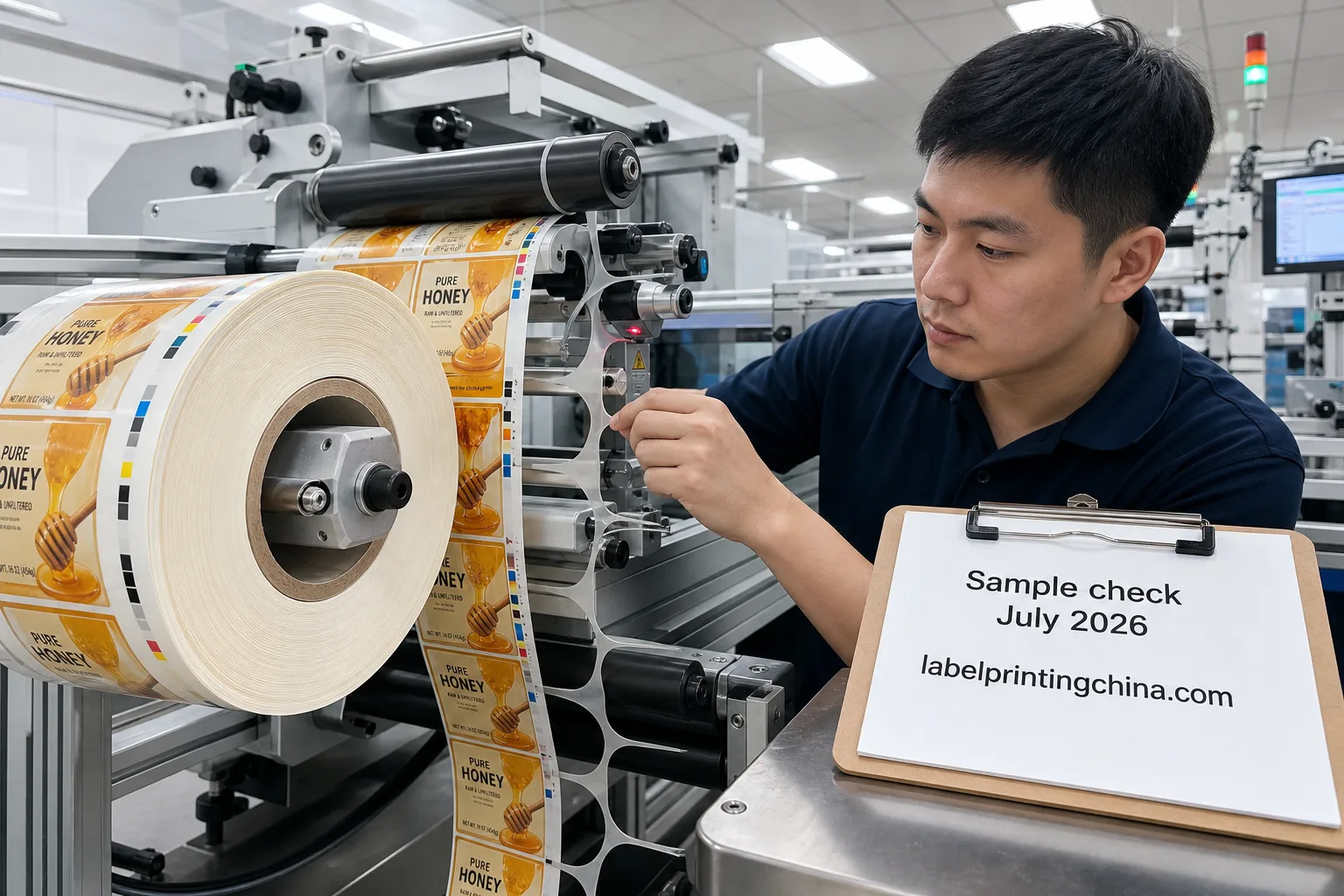
Design tips alone do not stop white edges or torn necks. Run this Cut Spec Gate on the physical sample before you approve the production lot.
| Check | Pass If | Fail If |
|---|---|---|
| Cut path layer | Named vector cut path; separate from artwork | Cut merged into CMYK; “trace the PNG” |
| Bleed past cut | ~2–3 mm bleed beyond path on solid fills | White fringe after cut drift |
| Safe zone | Logos/type clear of knife by agreed margin | Type clipped or hairline bridges in critical copy |
| Peel test | 10 consecutive peels without tear at plant humidity | Corners lift face stock or snap thin necks |
| Liner / matrix | Kiss-cut: matrix strips clean; Die-cut: backing intact per piece | Nicks into liner (kiss) or ragged through-cut (die) |
| Apply trial | Hand or applicator trial matches PO method | Approved as sheet art, shipped as wrong roll format |
Treat every Fail If cell as a stop—not a “fix on the big run” note. One sauce brand passed PDF review, then failed peel on humid packing day and scrapped a carton of fine-point contours.
Run the peel test on the same face stock and adhesive as the PO—office paper proofs lie about tear. Stamp the sample bag with humidity and date so “it worked last month” cannot reopen a failed gate.
If any Cut Spec Gate row fails, freeze ink and knife changes together. Fixing only the cut while art still sits on the knife line usually recreates white fringe on the next lot.
For why a separate cut path matters in production files, the overview of web die cutting is enough shared language with your printer—then your Cut Spec Gate rows set acceptance, not the encyclopedia page.
When Custom Shape Needs a True Contour Die
Not every “custom shape” needs through-cut pieces. Ask whether the silhouette must exist as a finished object before it touches the pack.
- Shelf hero with irregular outline and no liner frame in the unboxing moment → die-cut
- Multi-flavor stickers on one panel for events or inserts → kiss-cut sheet
- Intricate logo with hairline arms that tear on peel → kiss-cut first, then revisit die-cut after radii thicken
- High-speed wrap or wipe-on head → engineer kiss-cut roll specs before forcing die-cut vanity
Promo and brand-sticker programs often live on kiss-cut sheets even when the same logo later becomes a die-cut product label—keep formats separate in the RFQ so plants do not “helpfully” unify them.
If the job is really a sticker pack or giveaway panel, start from custom sticker printing requirements, then migrate only the SKUs that must read as product labels into die-cut contours.
When both formats stay in the assortment, give each a unique part number and sample bag. Shared art with mixed cut notes is how warehouses ship the wrong peel to the filling line.
Revisit the choice after the first retail season. Volume that justified a steel die in Q1 may not justify five new dies when marketing adds seasonal contours—digital kiss-cut sheets can cover the spikes.
Lock the Application Match row and clear every Cut Spec Gate Pass If before you pick a winner on unit price. Next step: request matched die-cut and kiss-cut samples on the real face stock, peel them the way your line will, and only then sign the production PO.