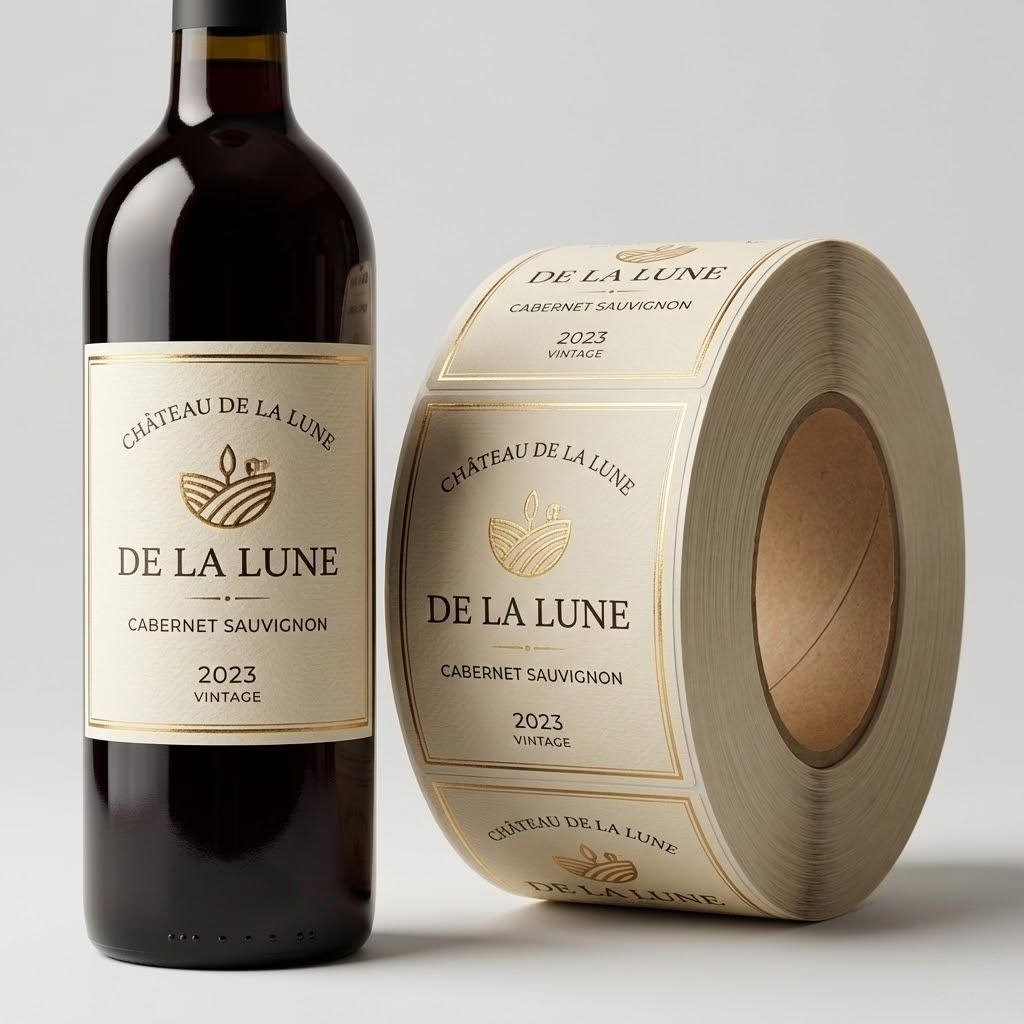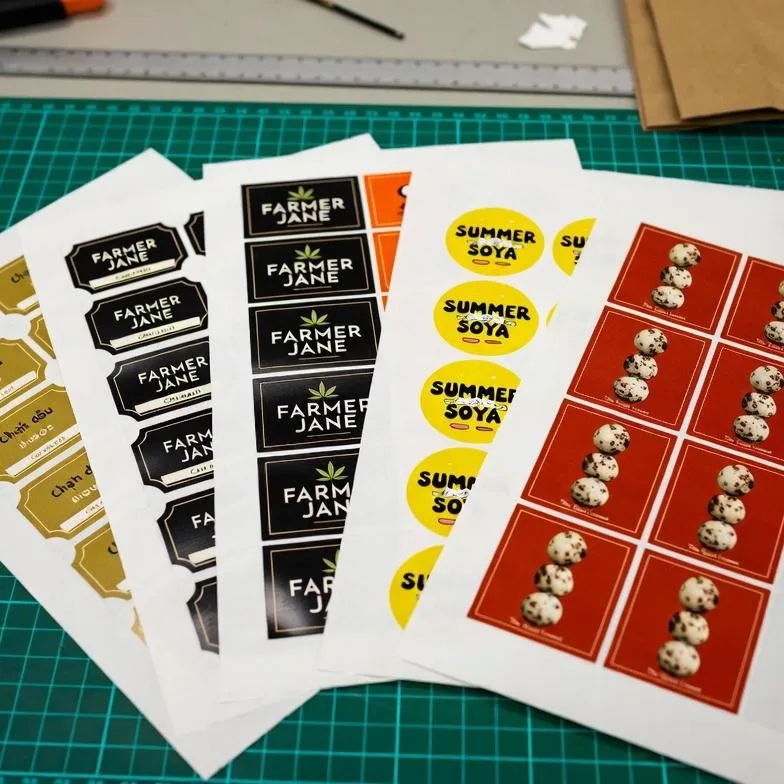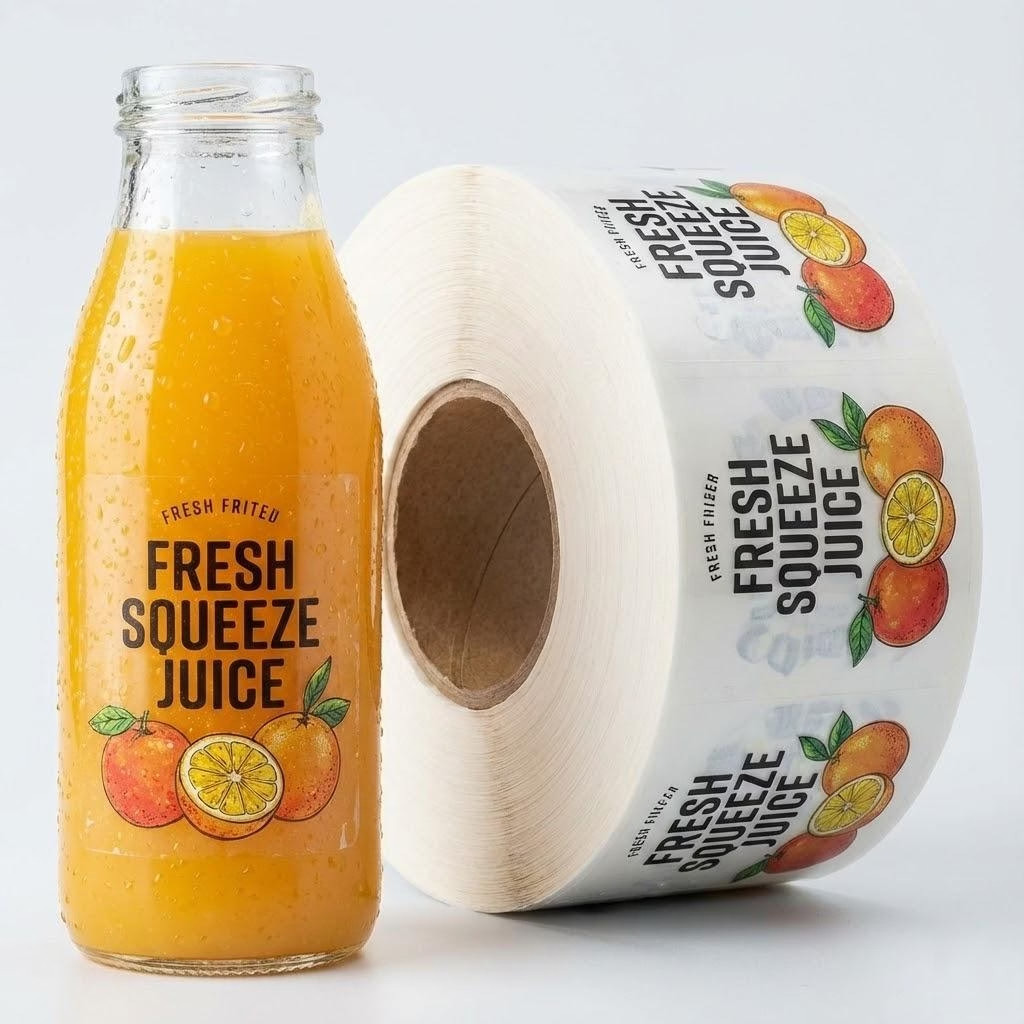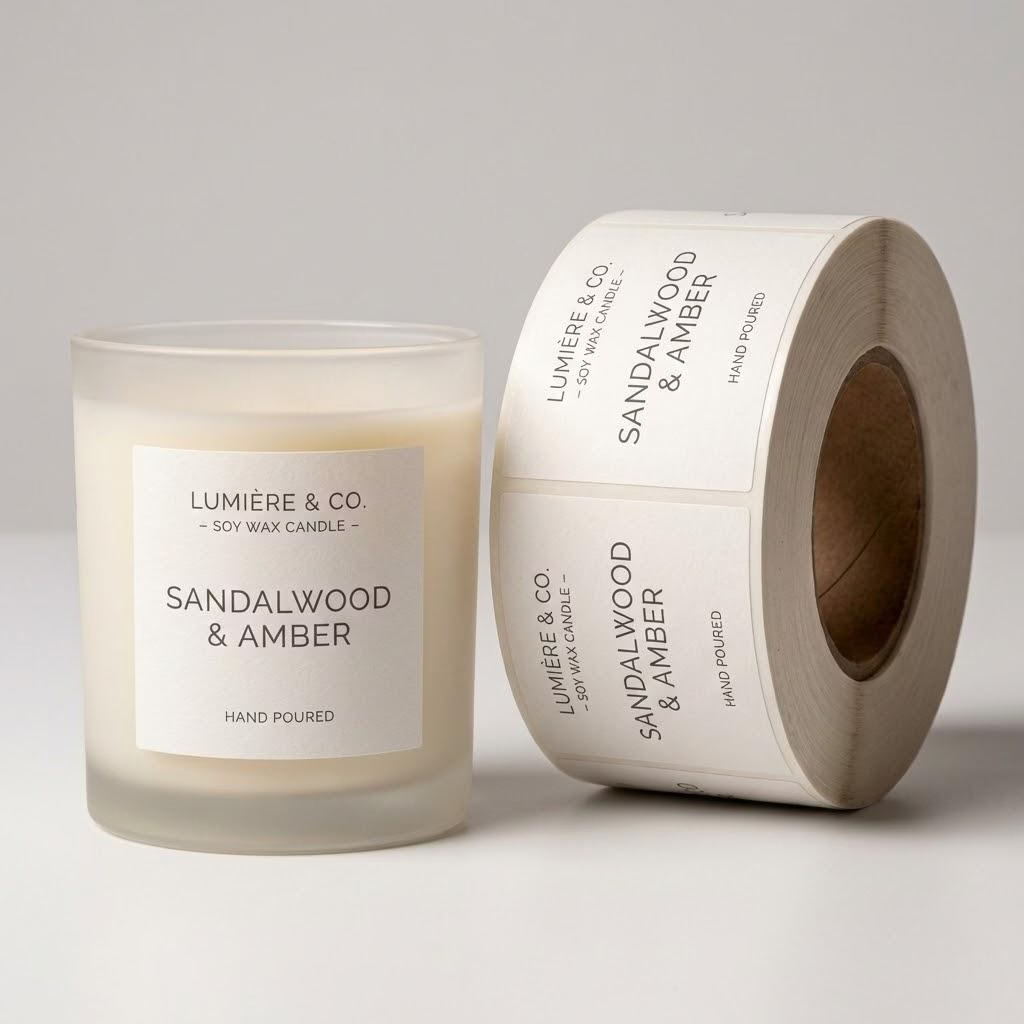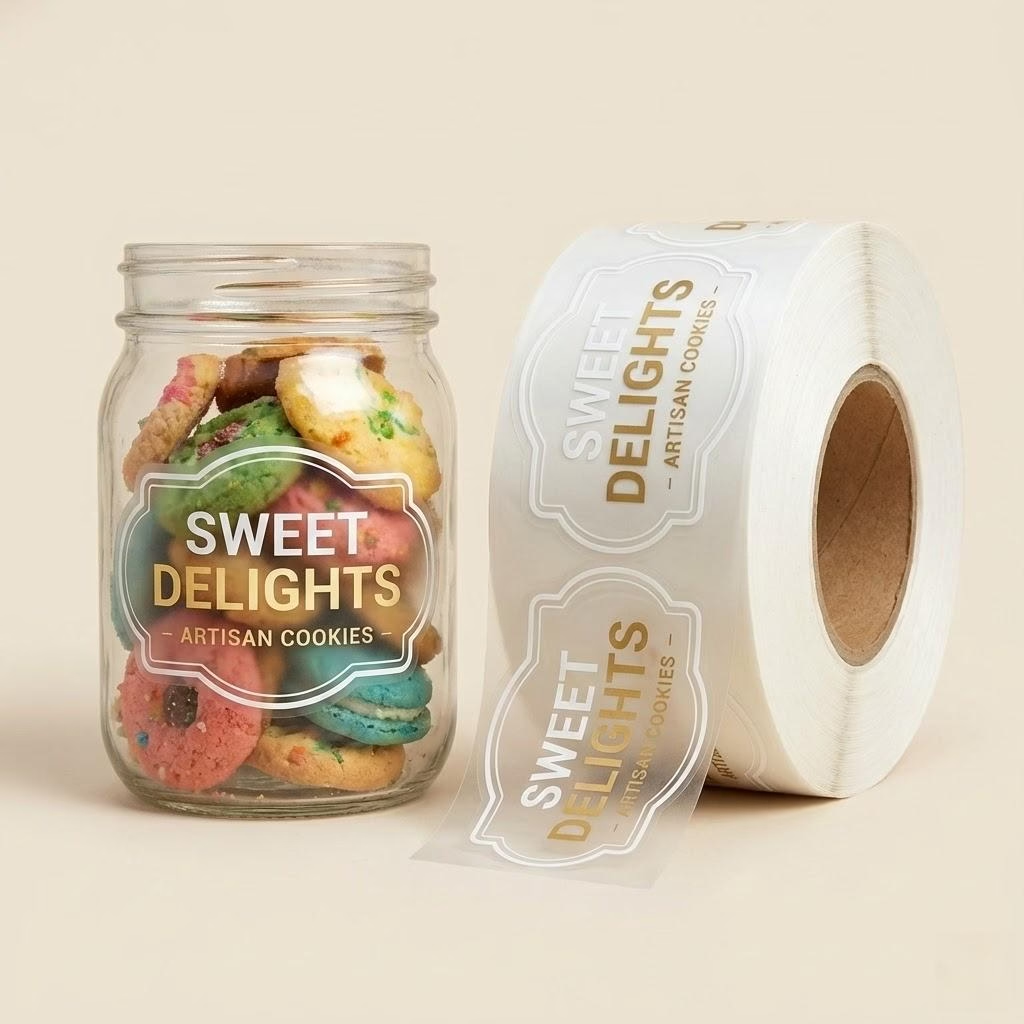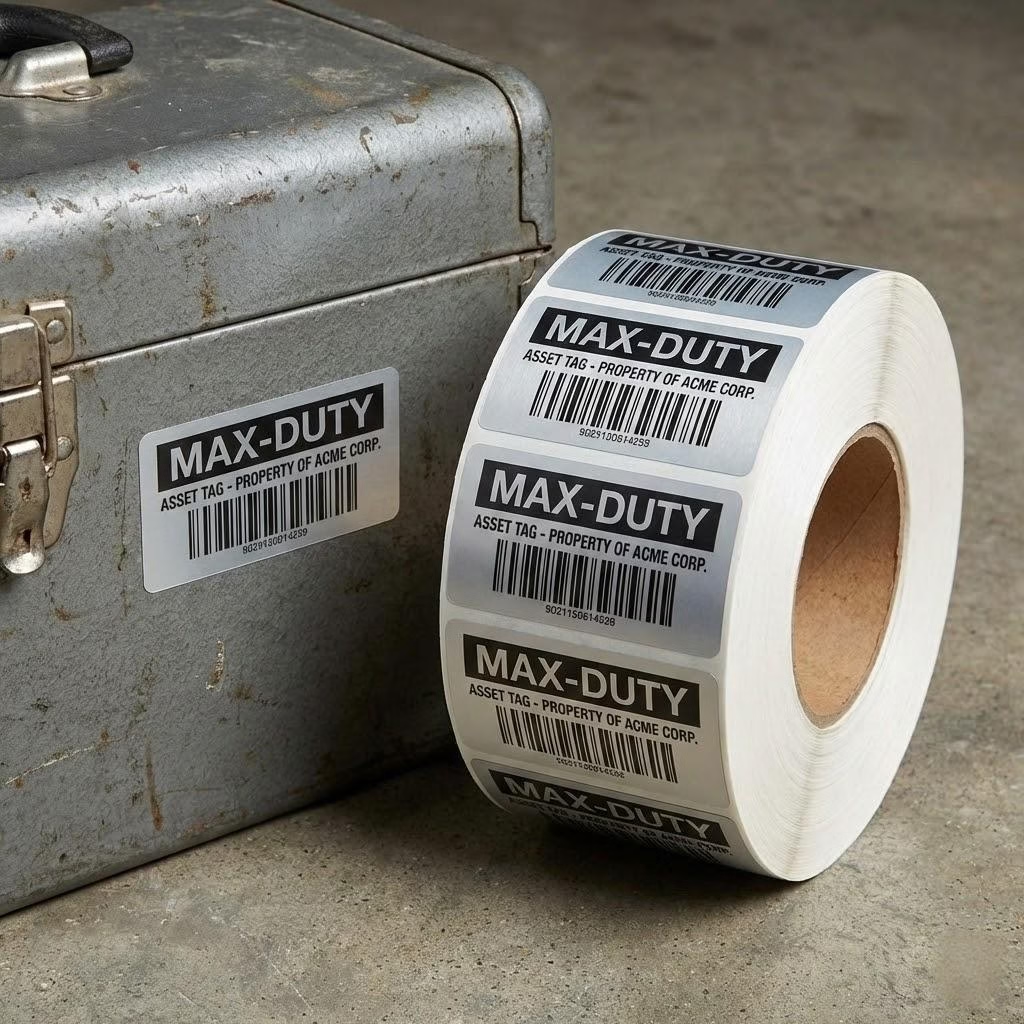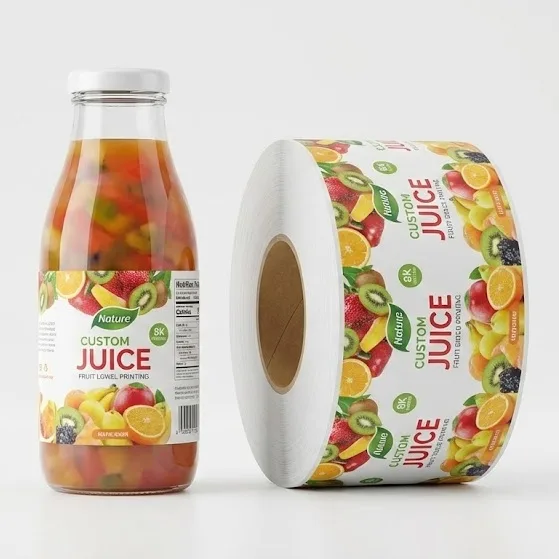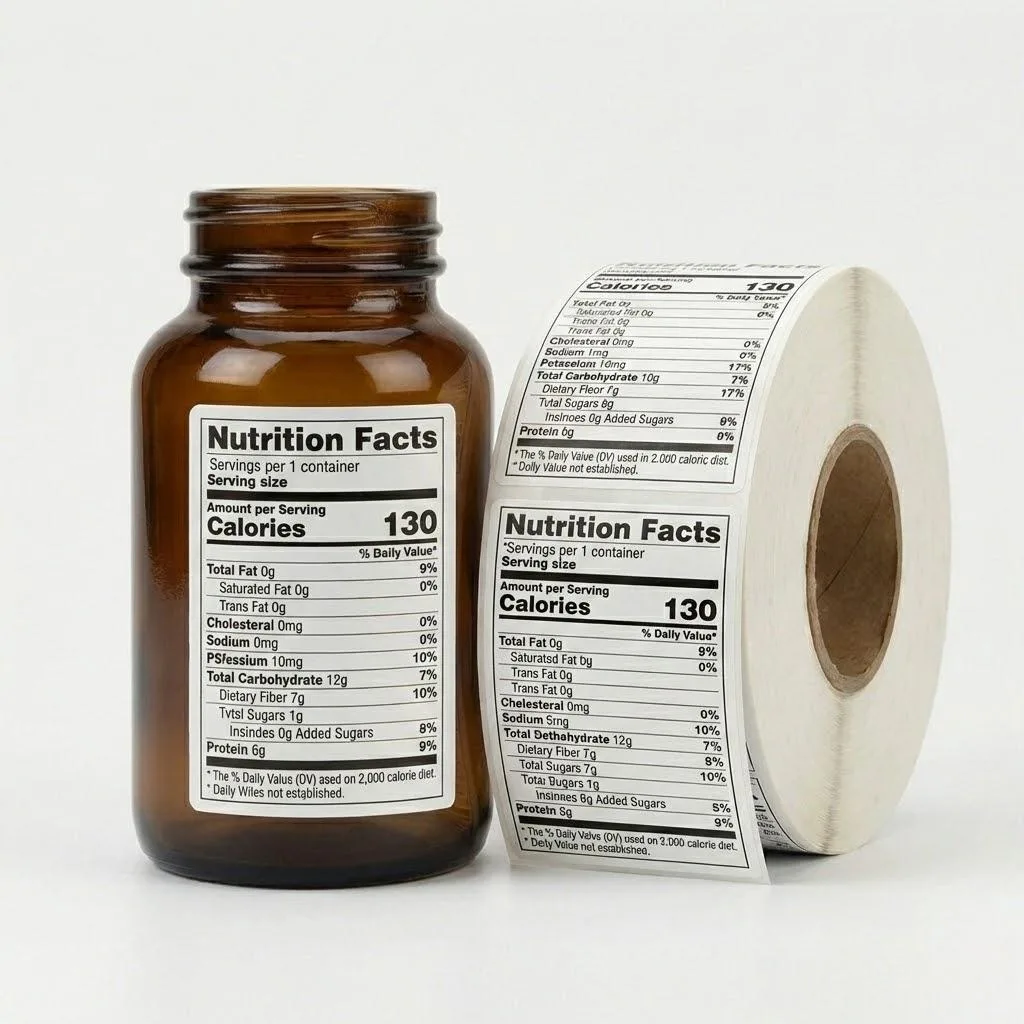
A regional buyer just asked for samples next week—and your only playbook is still DTC hand-applied sheets plus a pretty PDF. That habit gets you through farmers’ markets. It does not survive a retail trial that needs same-batch color, a scannable barcode, and a restock you can hit without weekend overtime.
Treat retail entry as a sourcing gate, not a redesign sprint: clear the Retail Buyer Pack Gate, switch to rolls when weekly volume breaks hand-apply, and lock barcode plus carton specs buyers actually scan—then price and reorder around that packet.
What this means: use the Retail Buyer Pack Gate, Sheet-to-Roll Trigger table, and scan red-flag list below so sample kits, applicator format, and DC receiving checks sit in one approval—not three emails that each look “fine” alone.
Why DTC Label Habits Fail Retail Buyers
DTC rewards speed and story. Retail rewards repeatability: the jar on the shelf must match the sample the buyer held, and the next carton must arrive before the trial empties.
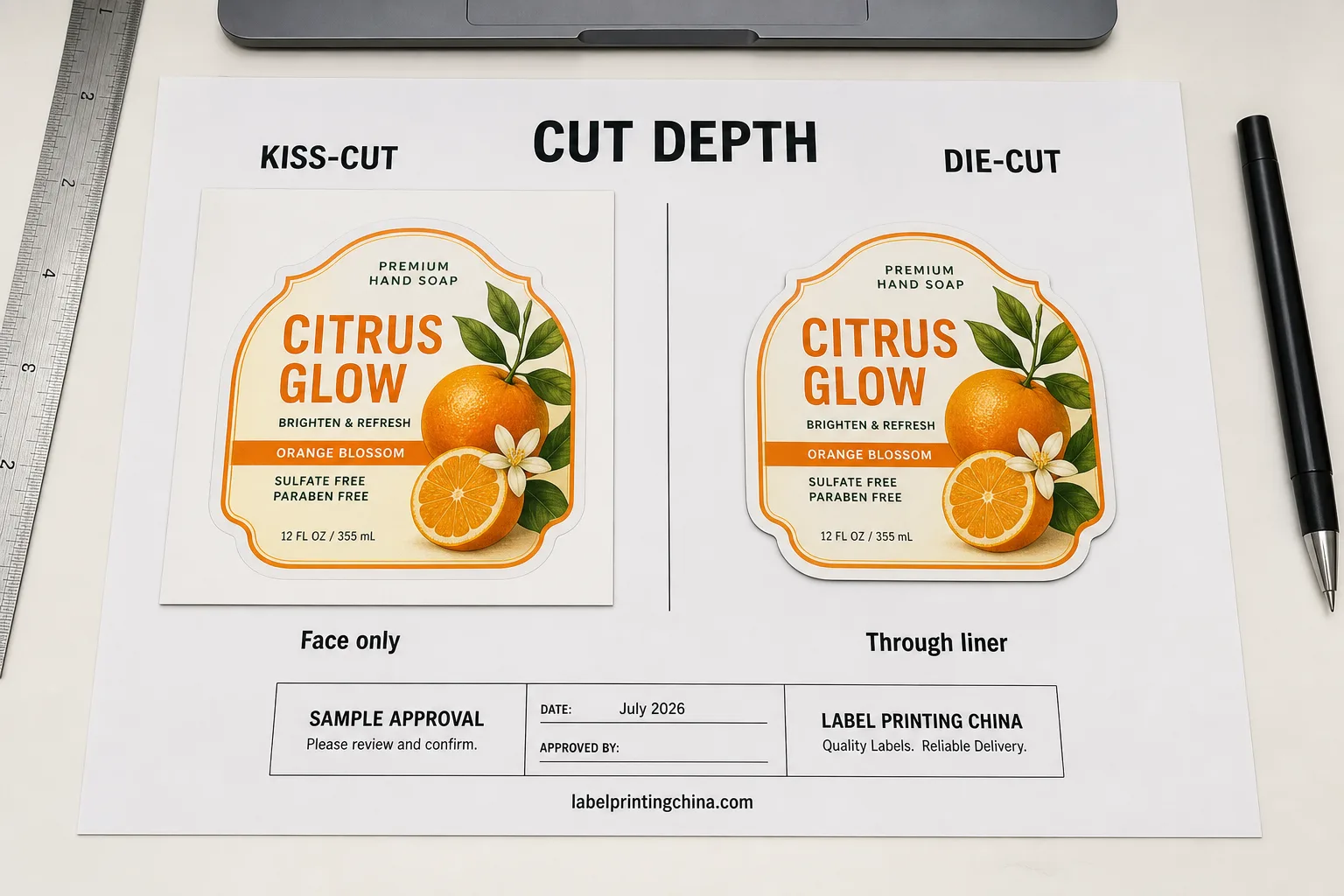
A PDF proof and a handful of hand-cut sheets prove design intent. They do not prove same-lot color across SKUs, quiet-zone barcodes, or how fast you can relabel a thousand units when the store reorders mid-week.
Keep the volume-stage map in our longer labels sourcing playbook for MOQ bands and material pricing. This guide only covers the retail acceptance layer those pages leave soft.
If your team still argues unit price before anyone builds a buyer kit, pause. Price without a gate just buys a cheaper rejection.
Write the retail promise in one sentence on a whiteboard: doors, restock window, and who owns the sample courier. That sentence becomes the RFQ header later—so design debates cannot erase the ops constraints.
Build the Retail Buyer Sample Pack
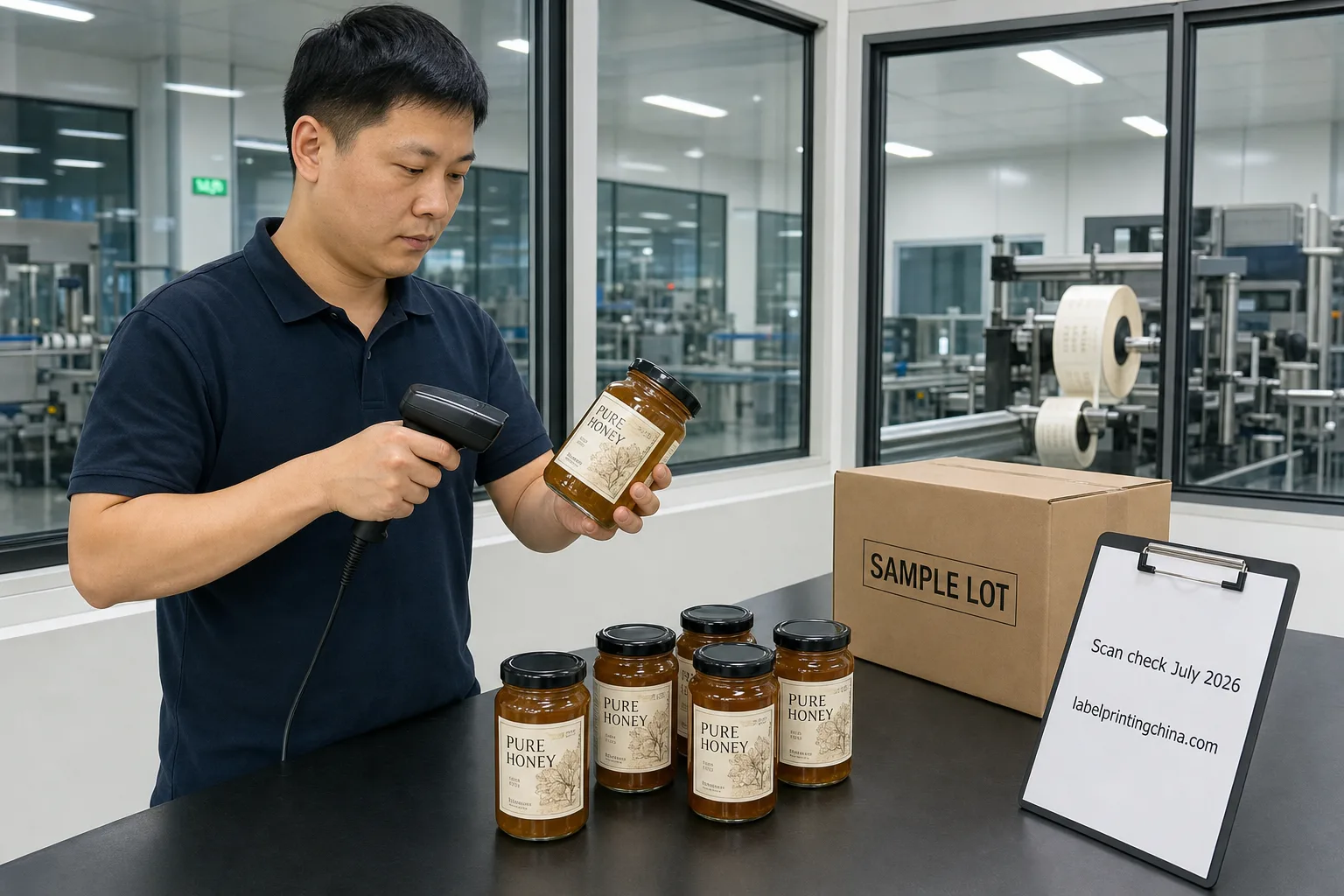
Buyers do not approve “a label.” They approve a kit they can pass around the category team—physical, labeled on the real pack, scannable, and honest about cold or wet use.
Build the kit before you chase the lowest quote. A common stall: a sauce brand mailed loose die-cuts and a screen PDF; the buyer liked the art, then failed the fridge condensation wipe and asked for a resubmit with matched SKU color chips from one press pull.
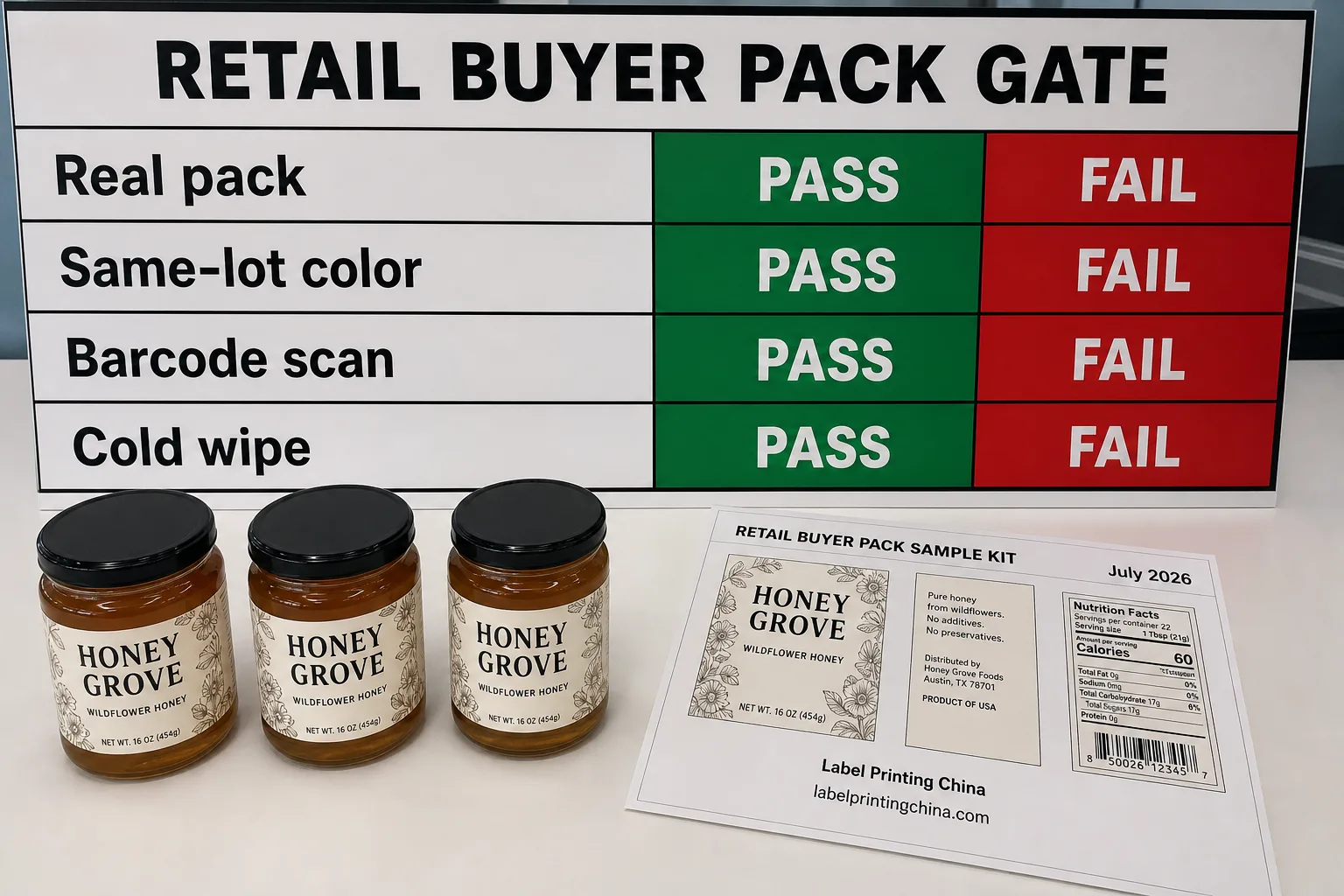
| Check | Pass If | Fail If |
|---|---|---|
| Real pack apply | Labels on the actual jar/bottle/film you will ship | Loose labels only, or mock stock that is not production surface |
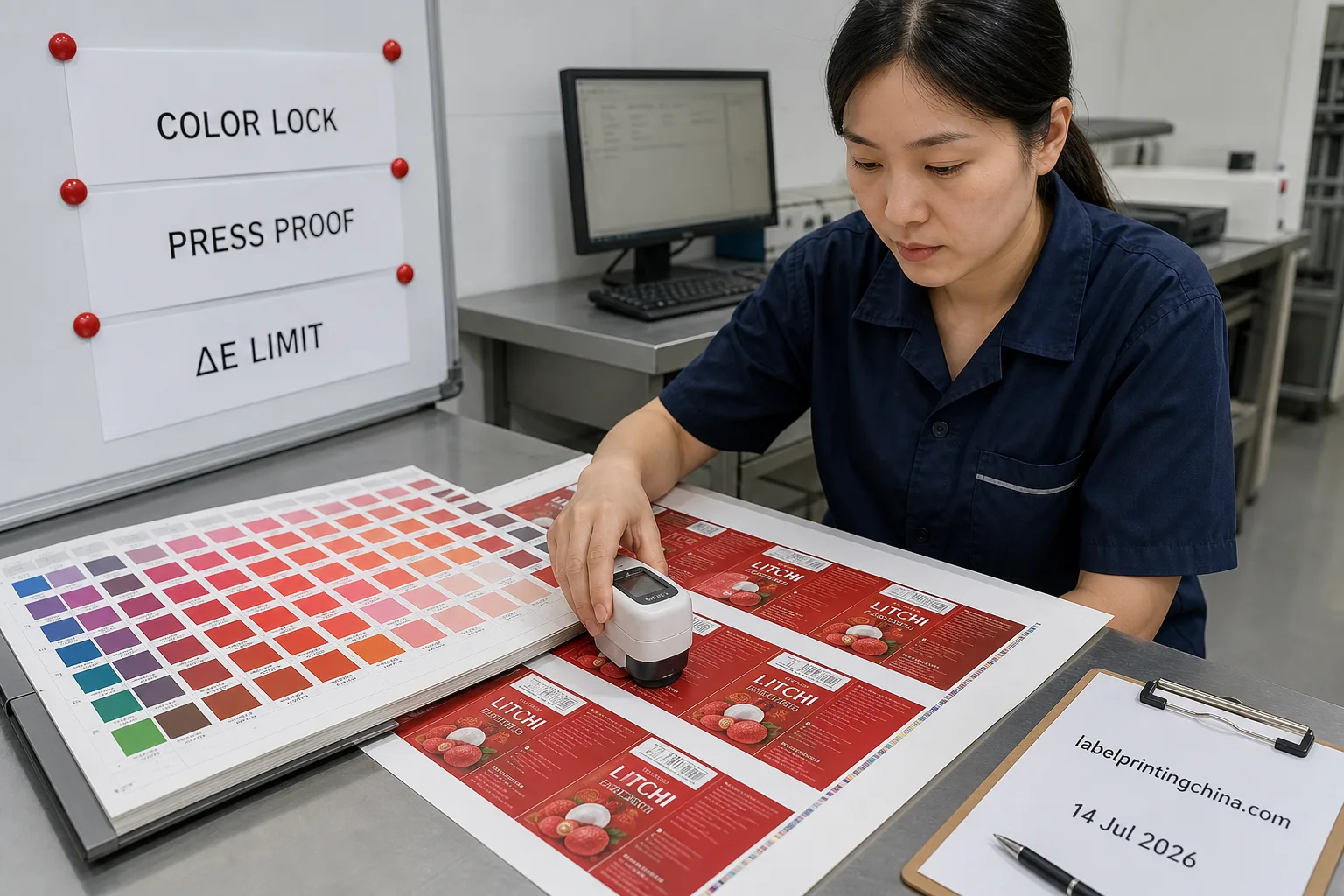
| Same-lot color | All SKUs in the kit from one press pull; Pantone/ΔE note on the bag | Each flavor from a different “sample day” with visible drift |
| Barcode scan | Handheld or phone scan succeeds on every retail-facing code | Code looks sharp on screen but fails scan on the curved pack |
| Use-condition wipe | Fridge, oil, or condensation test matches your claim | Dry-desk sample only for a wet or cold product |
| Reorder note | Lead time and MOQ per SKU written on the kit card | “We can scale” with no number the buyer can put in a PO |
Treat every Fail If cell as a stop before the courier leaves. Stamp the kit bag with pull date and humidity so “it looked fine last month” cannot reopen a failed Retail Buyer Pack Gate.
If food claims sit on the face, keep claim wording owned by your compliance owner—not the press room—and verify net quantity and allergen blocks before the kit ships.Buyers will ask who signed the copy even when your printer only prints what you send. For shared measurement language when someone argues “it looked fine on screen,” cite NIST measurement standards and insist on a physical scan check.
Put a one-page kit card in the box: SKU list, pull date, scan results, and the restock lead time you are willing to put on a purchase order. Buyers remember the card when the email thread gets long.
Photograph the kit as packed—labels on packs, not a flat mood board—so remote category partners see what walked into the meeting room.
When Hand-Applied Sheets Stop Scaling
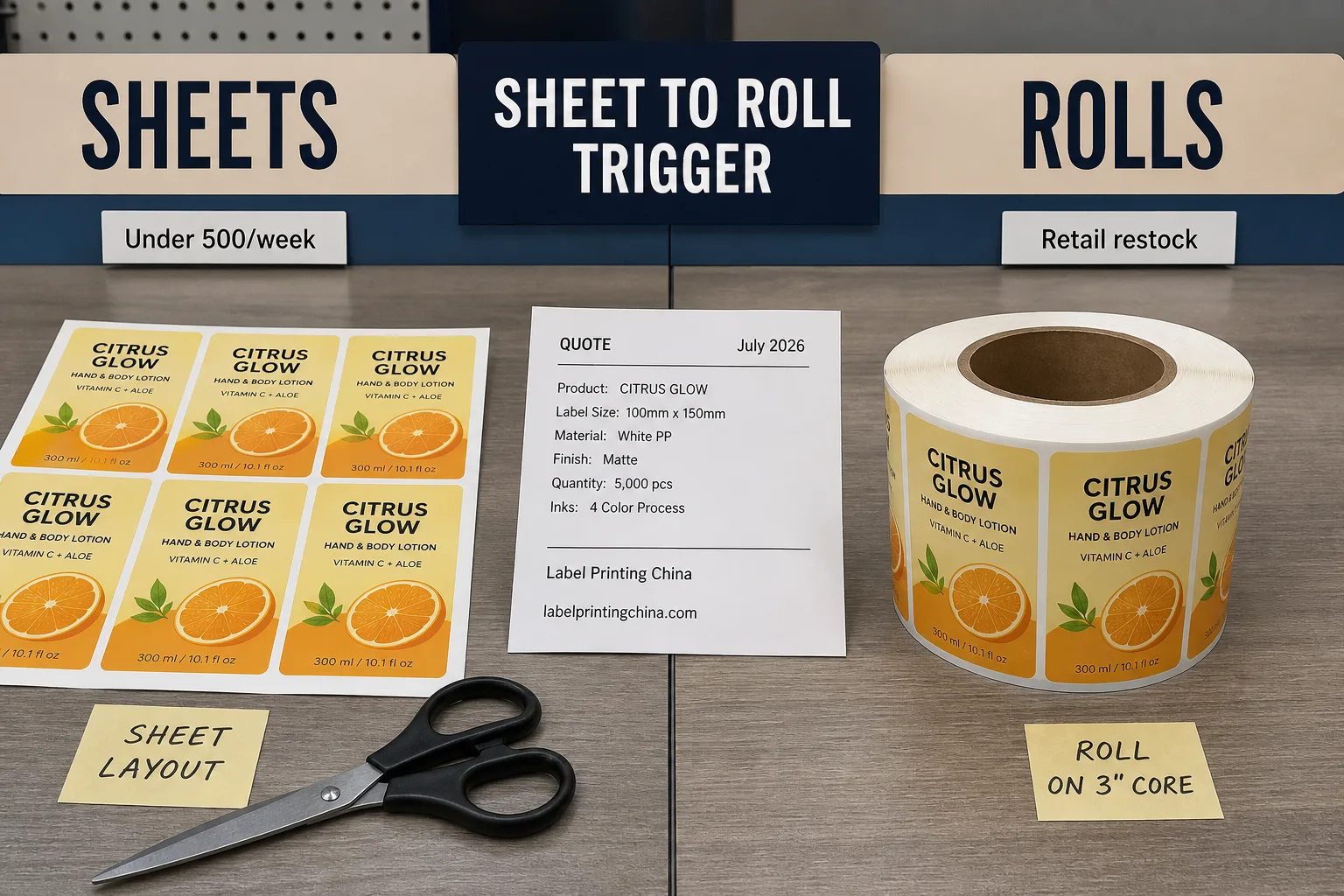
Sheets are fine while one person can finish a market weekend. Retail trials punish that model the first time a store wants a mid-week top-up.
When you move to rolls across many flavors, lock reorder gates with the multi-SKU inventory rules so slow SKUs stop locking your cash.
Time ten peels with a stopwatch on a real shift. Another trap: a honey brand kept sheet labels through a three-door trial, then burned two Saturdays hand-applying a surprise reorder while the buyer expected a 48-hour restock window.
| Signal | Stay on sheets when… | Switch to rolls when… |
|---|---|---|
| Weekly volume | Under ~500 units / week and one operator covers it | Regular weeks above ~500–1,000 units or multi-door restocks |
| Labor reality | Overtime is rare and acceptable | Hand-apply eats nights or delays ship dates |
| Equipment | No applicator; tabletop only | Tabletop or auto head arriving; need core/unwind locked |
| SKU count | 1–2 flavors, rare art changes | Shelf set with matched color across flavors each PO |
Read the Sheet-to-Roll Trigger table against last month’s ship log—not against a hope that “friends will help label.” When you switch, write unwind direction, core size, and max OD on the same RFQ as face stock.
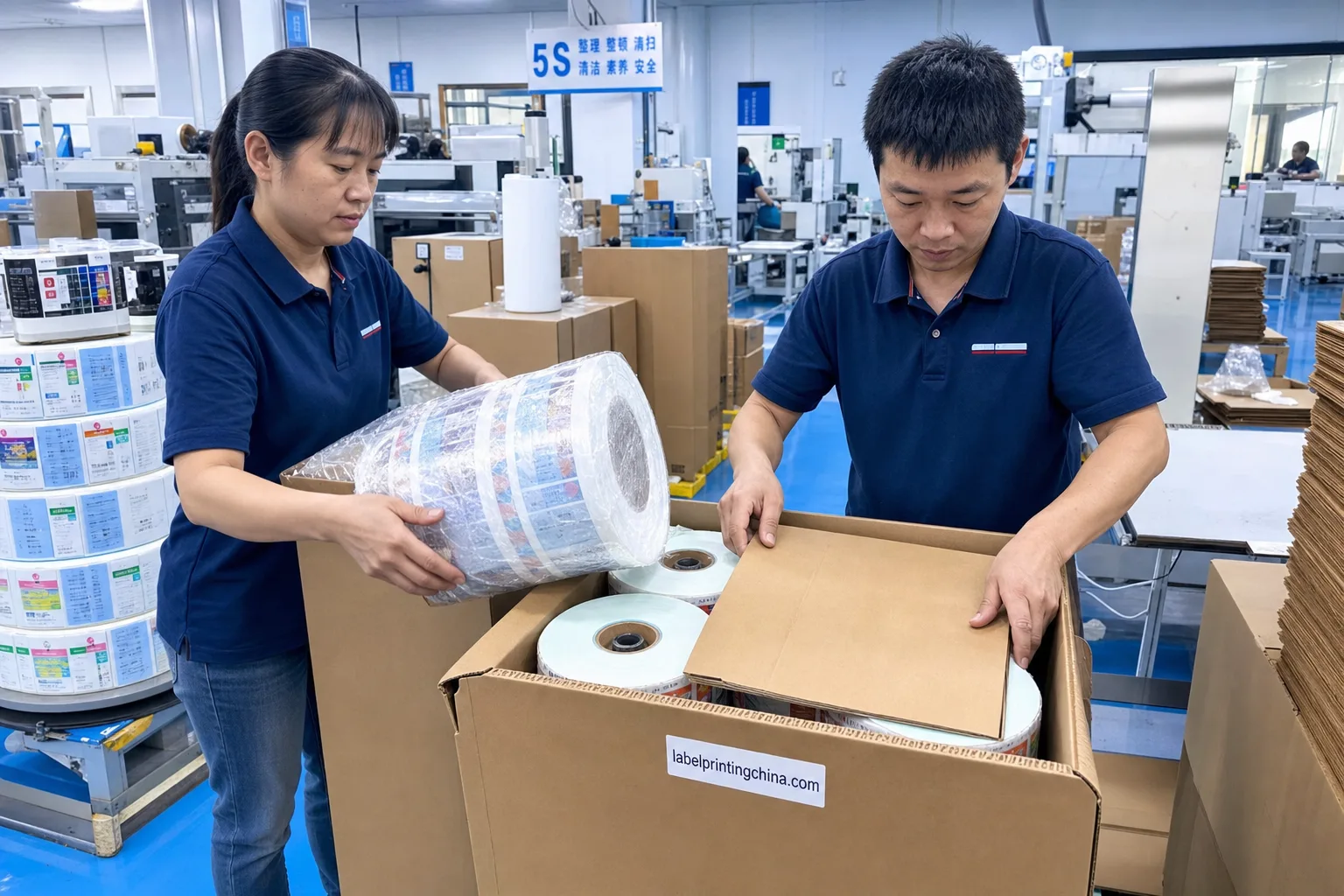
Machine-ready format lives on the capability page for custom roll labels—use that page for press and rewind options; use this trigger table for when the format change is overdue.
Need Retail-Ready Roll Specs Before the Buyer Visit?
Send weekly volume, pack surface, and applicator notes—we quote machine-ready rolls with unwind and core locked so your sample kit matches the production format.
Pass the Scan — Barcode and Carton Specs Retail Actually Checks
“Add a barcode” is not a retail gate. Quiet zone, contrast, and curve wrap decide whether the POS beep happens—or the clerk keys it by hand and the buyer hears about it.
Print a physical sample on the real face stock and scan it on the curved pack, not only on a flat desk. Soft barcodes that look fine in a PDF routinely fail once the label wraps a jar. Check a 2–3 mm quiet zone on each side before you approve art that crowds the code.
Red flags: quiet zone crushed by art or nutrition block; low contrast (light code on kraft); barcode approved on flat proof only; case label missing or unreadable at DC; UPC size below the retailer’s scan guide.
Carton marks matter as soon as product leaves your garage for a DC. Outer labels must survive tape and forklift handling, and the case code must match the inner retail code the buyer expects.
Tape a case label sample to a packed carton and walk it past warehouse lighting. Glare, crushed quiet zones, and codes printed too small show up there—not in a desktop JPEG.
Write barcode X-dimension, quiet zone in mm, and contrast notes into the PO so the plant cannot “fit art” into the code area. For symbology vocabulary on that same line, point engineering to ISO barcode symbology—then verify and measure a printed sample on-curve before you courier the kit.
If the retailer issues a vendor guide, attach the scan page to the RFQ. Factories quote faster when the acceptance rule is a PDF page, not a vague “must scan in store.”
RFQ Fields Retail Buyers Indirectly Force
Retail does not rewrite your RFQ for you. It fails the PO when your quote omitted the fields that made the sample kit work.
- Face stock + adhesive tied to pack surface and cold/wet claim
- Delivery format: sheet vs roll; if roll—core, OD, unwind
- Color lock: Pantone refs and batch-to-batch ΔE target
- Barcode: symbology, size, quiet zone, scan-on-pack note
- Lead time for sample kit vs production lot vs air/sea
- MOQ per SKU (not only per combined order)
Compare quotes on those lines, not on a single unit price. For cost levers once format is locked, open the roll label pricing guide as a support page—do not let a cheap sheet quote pretend it is retail-ready volume.
If two factories both “can do retail,” ask which one will rebuild the sample kit from the same press setup as the production lot. That answer predicts shelf match better than a glossy brochure.
Ask for a written sample-to-production path: which proof is contractual, who signs ΔE, and how many days sit between kit approval and mass print. Soft verbal promises disappear when the buyer accelerates the trial.
Lock Reorder Cadence to Retail PO Cycles
Retail restocks on the buyer’s calendar, not on your weekend availability. Map label lead time backward from the earliest restock promise you made in the sample kit card.
Hold a buffer of finished labels or printed rolls equal to one retail cycle—not a year of inventory that freezes cash. Reorder when the buffer hits a written tripwire, not when someone notices empty shelves.
Color and unwind notes must travel with every reorder PO. Silent “same as last time” emails are how lot two drifts while the buyer still holds lot-one samples.
Put the tripwire on a shared calendar the buyer team can see: “reorder when finished labels hit X days of cover.” Verbal reminders fail when the founder is on the road pitching new doors.
When a vendor change is on the table mid-season, follow a cutover packet—the same discipline as our supplier switch guide—so retail doors do not see a surprise shade shift.
This week: assemble one Retail Buyer Pack Gate kit on the real pack, score the Sheet-to-Roll Trigger against last month’s volume, and scan every code on-curve before you courier samples.Clear those three checks, then lock the production RFQ—retail scaling starts when the kit passes, not when the unit price looks exciting.